Rather than spending a week at home I decided to follow my own advice from many years ago and choose adventure over boredom.
I walked the West Highland Way. 96 miles of walking and camping up Scotland’s west coast.
The thing which made this a nice trip was the simplicity of it. Each day I knew where I need to walk to, as I had already booked campsites or planned where to wild camp, so no thinking was required. Camping is a good way to simplify things, tent, bed, bag. If you can’t carry it you don’t have it. There is less to think about, the days become repetitive, pack bag, pack tent, walk, yet being in a different place each time makes it different. Where to pitch the tent? Can I dry it out? Where can I find food and water? These become the only big decision needed each day, the rest of the time you can enjoy the scenery.
When it gets dark you go to sleep, when it is light you walk.
The walk itself has been well documented and videoed by numerous people so I will not try write about the route itself only what I thought.
This was my first solo hiking camping walk I had done. I have been on various walks before and camping many times but combining the two and doing it over a week, this was a first. I chose this walk out of pure chance I stumbled upon it last year when camping in Scotland and noticed a large amount of hikers coming through and stopping at the campsite. So investigated what it was and became interested. Jump forward a year and I had booked campsites based on recommendation from guides and reviews on how far I should walk.
Setting off I was still very nervous, going into a lot of unknowns. Had I brought the right kit, would I get lost, would I be able to sustain carrying a bag and walking for this long? Some of the kit I had only just gotten and not really tested together, the big one is the tent. I had used it a few times but not enough to be confident with it.
On day 1 the anxiety of getting lost was dissolved as the route was well marked and the OS map of the route helped if any doubt. Along with many other people who could be followed or asked along the way. Throughout the entire journey I did not look at the physical map once and checked the OS app only a few times. Usually when a new logging trail had been build or to see how far left I had to walk that day. For many kilometres there was only one path through the landscape so very easy to follow.
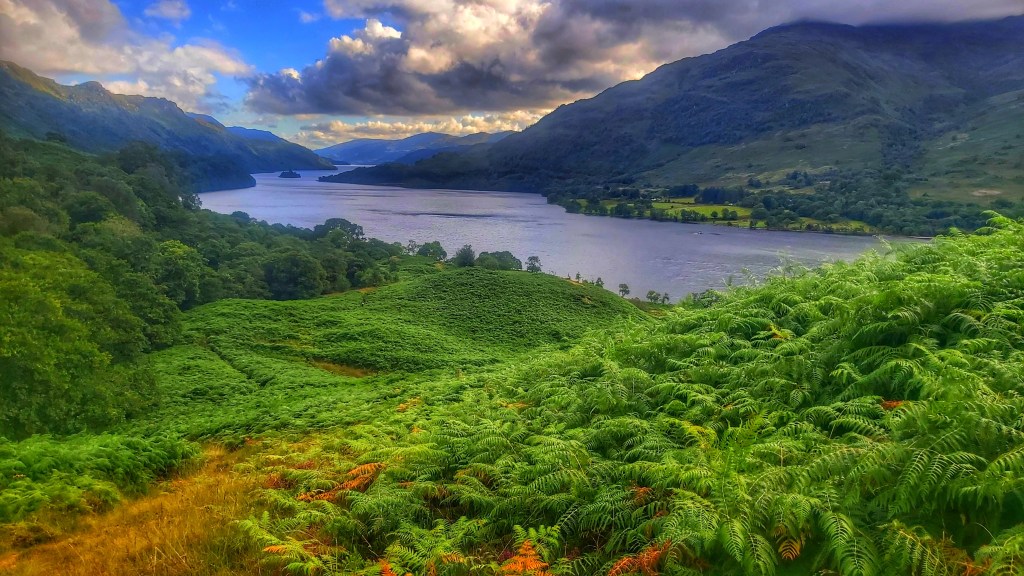
With regards to the kit, this was a constant running thought of, should I have it, should I not. On reflection when unpacking after the trip there were very few items I had not used and some items I am glad I did not have to use. I would possibly tweak some of the items I took but it is very weather dependant on how much items would be used.
Walking speed and endurance was another reoccurring theme, as I was not sure how fast I would walk with a bag on for several days on unknown terrain. As some days which were short distance were long due to the terrain and elevation. Maybe I did walk too quickly but felt I walked at a comfortable pace for me, with the paths being easier enough to walk along. Arriving at the campsite each day with plenty of time to dry kit, eat food and look around. I never felt rushed and always had a good look at the scenery along the way. Maybe I could have shortened the trip by a day by walking further but that was not my plan, I was there to take my time and enjoy rather than race along.
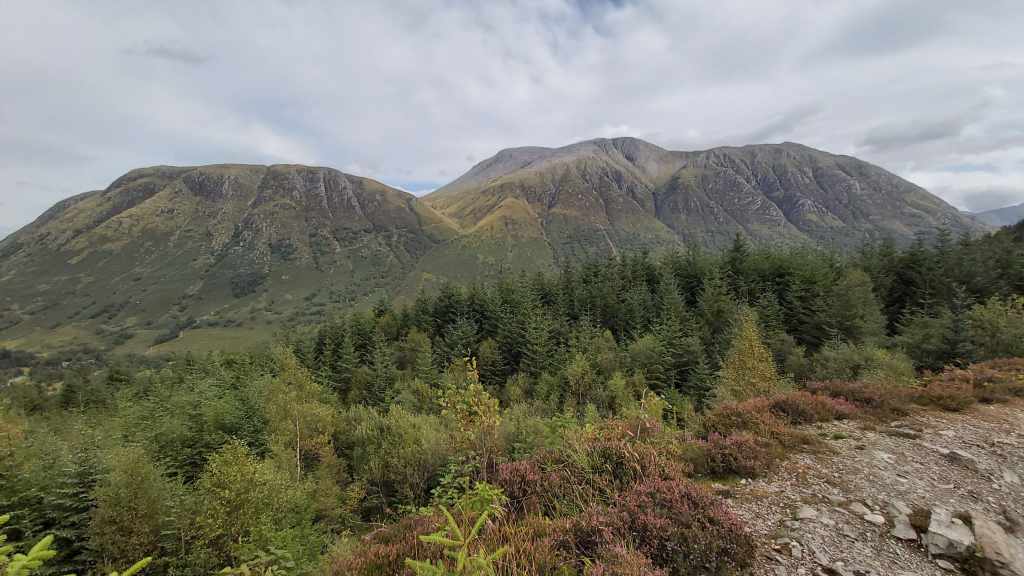
Over all it was a nice walk with some great scenery and a nice achievement of having walked from point to point.
The lessons I learnt along the way.
• When an issue arises you either have to deal with it or delay it, but either way you need to deal with it.
• Gear might be good but still have issues.
I had what I thought was a good tent, light weight but enough room to fit me and my bag, which is true. The issue I had was the condensation inside and wet outer each day. The issue with being a small tent and condensation is, it is very hard to move inside the tent without touching the sides and getting wet. Which makes all your kit slightly damp. Trying to pack the tent up without making it wetter or everything else wet meant lots of dry bags. Then trying to dry the tent out and pitch it ready for the next night, seemed an endless cycle.
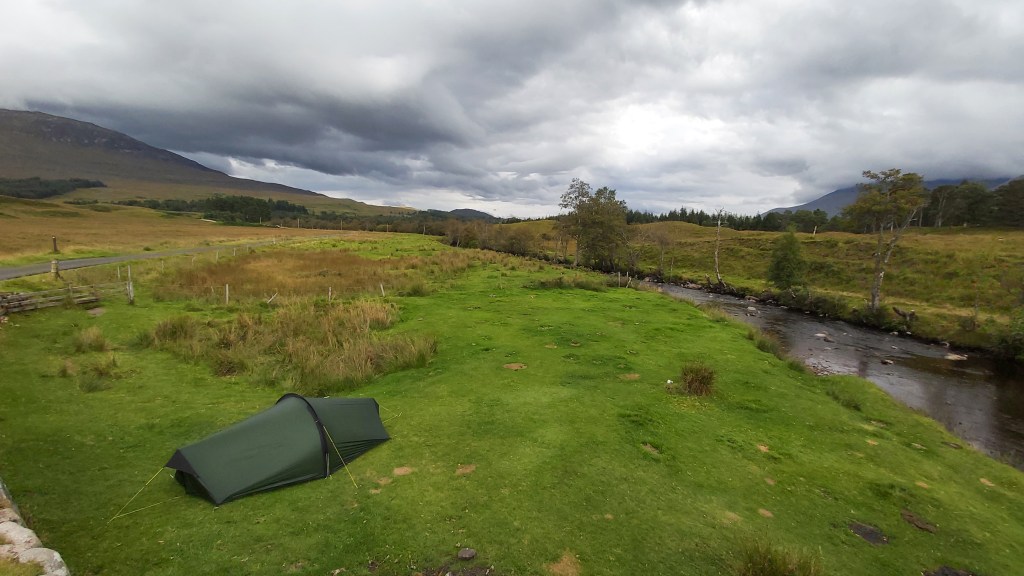
I also took a jet boil, which was not the issue. The gas I took with it decided to leak on day one, not sure if the value inside got bent or what but I now had a leaky gas canister which was not going in my bag and also meant no fuel for stove for rest of the trip. Solution talk to the campsite owner and get some more.
Not enough porridge, correction ate too much porridge early on as forgot how much I had allocated to each day. I decided before the hike I would take snacks and breakfast so I knew I would have some food to start me off and buy food along the way. So I packed packets of just add hot water porridge, which are very tasty and I have used many times before. What I failed to do was remind myself how many I had packed. The first few days I happily dived into my bag pulled out a couple of packets and made a nice bowl of porridge. It was not until day 4 that I looked inside only to find I only had 2 packets left for the next day. At which point I realised I had allocated 1 packet a day not 2. Which meant I had 2 packets for the next 4 days. Solution was to work out which days I could buy breakfast somewhere else, which days I could do without breakfast and when to eat my porridge. In the end I only had 1 day without breakfast.
Wet boots/socks causes issue with rubbing and wet feet quiet quickly so needs to be resolved. Plasters prevented further rubbing and fresh socks were a solution, but still left the issue of soggy socks to try and dry out. I found the best solution was a combination of thin socks, which dried, and waterproof socks. Even if the boots were wet my inner socks and feet stayed dry. Once boots it takes a while for them to fully dry and when you keep using them each day does not allow them enough time to improve.
Wearing waterproofs when it is raining is great to keep you dry, but ensure you take them off when it stops, otherwise you become very hot. I made this mistake on day 3, a particularly long and tricky walk which started out very wet. Initially walking along in full waterproofs was ok as the rain keeps you cool and keeps everything dry. However later on it stopped raining but I did not remove water proofs as firstly I did not realise it had stopped raining, then later did not know where to put wet waterproofs without getting everything else wet. So I left them on for the remaining 20km walk, which led me to be very hot and sweaty, which led me to drink all my water. I eventually made the connection but too late, I had been focusing on the very tricky terrain I was walking on and trying to get the miles in. I did learn my lesson though and the following days as soon as it stopped raining took off all my water proofs straight away and dangled them off my bag to dry.
Food is very important, ensuring I refuelled, rehydrate and rested at the end of each day was important. I had planned to buy food each evening rather than carry it. This proved to be a wise choice as I found I was extremely hungry. Occasionally I would get to camp, set up the tent, then eat a meal in a cafe or bar, basically where ever would let me in and was close. On occasions I would find after a short lie down or rest in the campsite that I was hungry again, even after large fish and chips or a haggis, neeps and tatties so would get a sandwich or what ever local shops/campsites would sell. I still managed to loose weight over the week so probably did not actually consume enough.
Make the most of good weather, especially when making and packing up camp. If it is dry when pitching or taking down the tent it makes things a lot easier. Ensuring everything stayed dry was a priority, so if I could take the tent down and not have to worry about the rest of my kit getting wet it was nice. When it was dry all tasks were easier but I was reminded not to get complacent as many times it rained when trying to pack my bag
These are all things I will consider next time I am planning and doing things like this.
It did not make the trip any better or worse but simply events which happened along the way.
This was a good learning for me, things don’t always go to plan but you can still get to the end.
 Mike's Travel Adventures