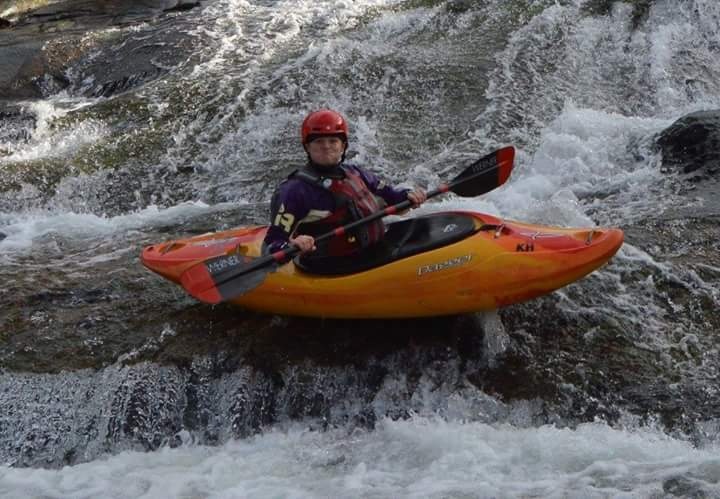
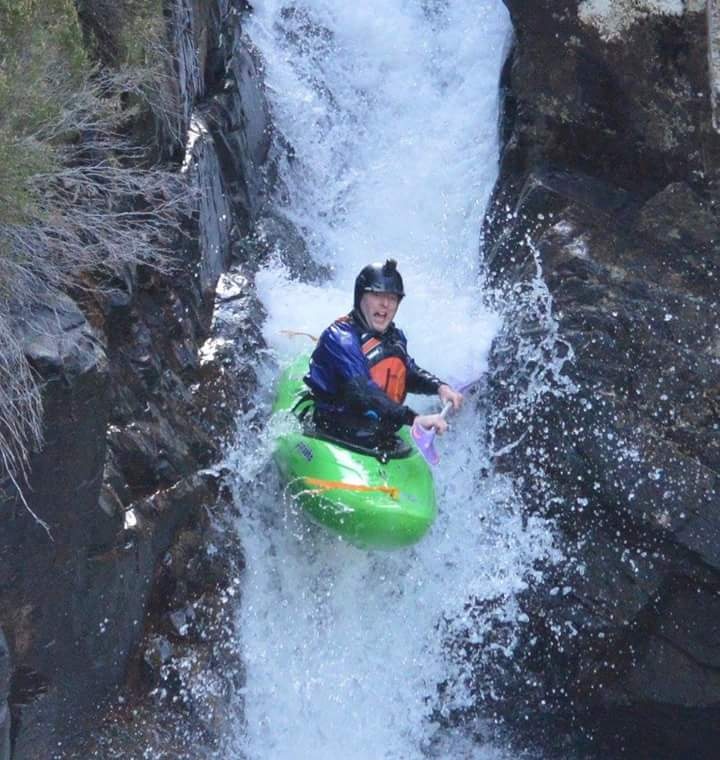
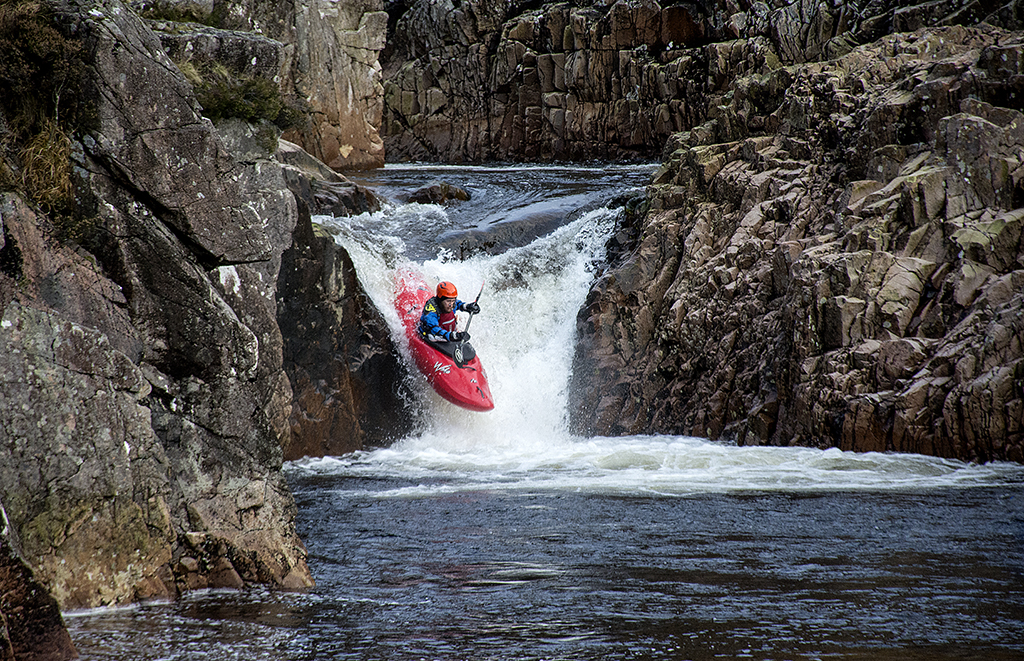
Before I begin this is not an article about the ins and outs of camera settings and which aperture and shutter you need to get that perfect shot (if anyone knows please tell me) This is an article from the point of view of a kayaker getting that all important new profile pic, or nomination for paddling face of the year.
There are a few things I have to impart on this subject.
1. Know where the camera is. Pick a line that is close to the camera (make it easy for them to get a good shot of you) This links to point 2. Sometimes this is the worst, most horrible line on the river but if the camera person is on that side of the river or in the eddy you have to try and stay close to them, because if you nail the line it will look awesome. However most paddling photographers will have just come down the same rapid so they will know what line you are taking and should position themselves usefully. Unless you have prior knowledge they have an awesome zoom. (These are dangerous, see point 4) these typically are bank based team members.
2. Line of sight. If you can’t see the camera it can’t see you. This links heavily with point 1 but includes things like rocks, trees and other paddlers being between you and the lens. Make sure the camera person is ready for you and people are out of the way, if natural obstacles are in the way or the amount of capture time is limited you need to make sure you are ready for it and know when you need to look your best, anything after the camera stops is only pub talk and hearsay.
3. Paddle position – this advice goes against all coaching advice. Your paddle must not be in front of your face! It may be the best picture but it could be anyone behind that paddle so you can’t take any credit.
Ways to achieve this
a) Don’t paddle, keep it out the way. This solves one problem but may create other issues depending on the situation and ability.
b) Keep your paddle low. Again keeps it out of view but makes your paddling look lazy.
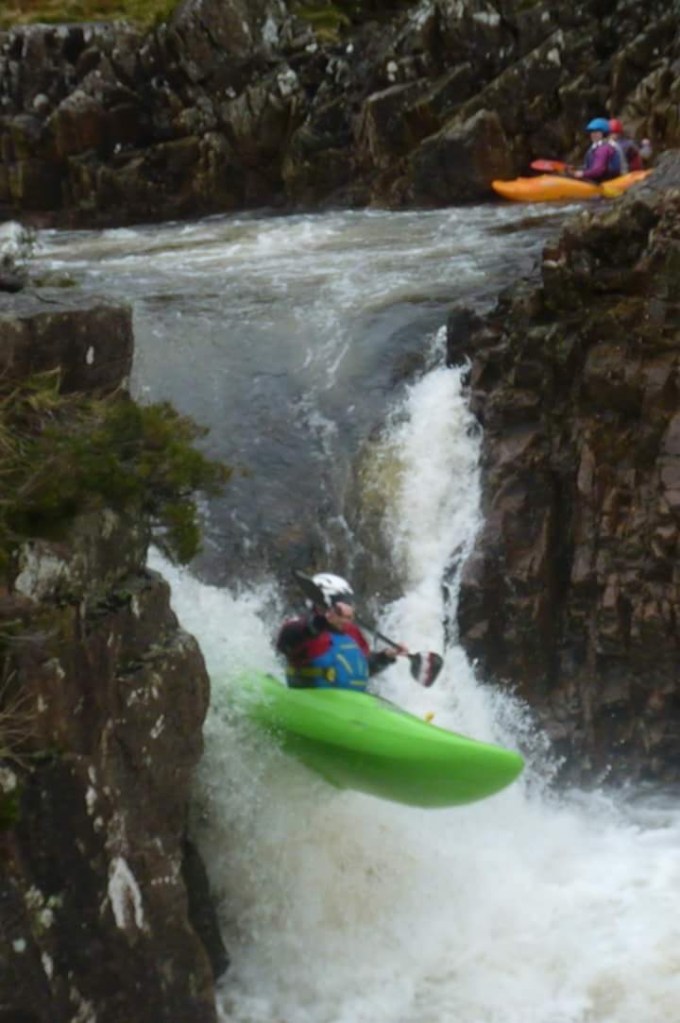
c) Paddle high in the water but watch out where your arm is crossing your body not face. Making it look like the stroke means everything, think boof stroke at the top of a waterfall.
4. Facial expression – the best picture, nice scenery, good paddle position etc can be ruined if your face tells a different story and suddenly the whole focus is on how silly your face is.
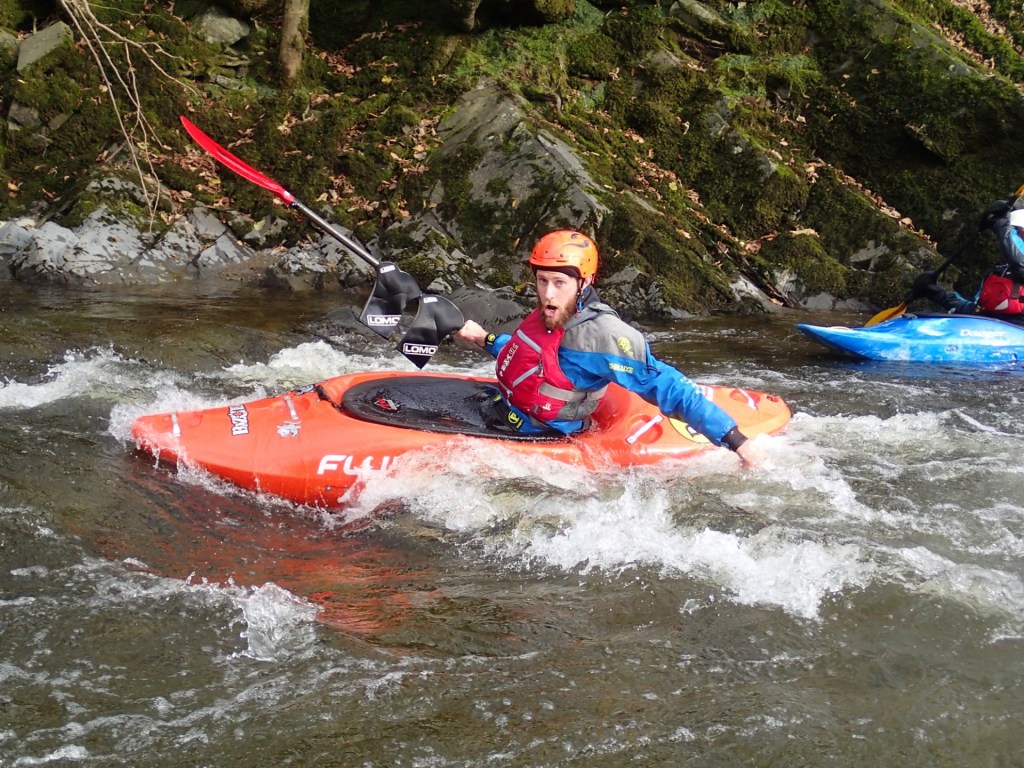
There are two trains of thought about where to focus, look straight at the camera with the ‘yeah i got this face’ or focus on the paddling trying to look natural like this is an everyday occurrence. If you go for the looking at camera, pulling funny faces is now acceptable as they are intentional.
If you are going for the ‘natural look’ this takes a lot more effort as you need to run the rapid, not look at the camera and be aware that your concentration face is not stupid, make you look like you need the toilet or screwed up so tight people are unsure where your face is. Eyes shut and mouth wide open screaming in fear, way before being close to a rapid, is another classic error.
In conclusion knowing if and where cameras are is vital. Avoid things being in front of your face and try to make your face look either normal or intentionally funny.
DISCLAIMER -if any of the above advice will put you or others in harms way or potential injury it is better to go home safe with a bad photo or no photo and the memory of a good trip.
So this Xmas i will have been travelling for about 8 months spending 3 to 4 days each week in a hotel somewhere around the country. Clocking up tens of thousands of miles.
So how have I found it. At first exciting, new places, hotels, eating out. It was summer so getting out running in new industrial estates and business parks was all very “nice”. I soon became very efficent at knowing what I needed to pack and what I could do without, how much stuff I needed depending on how long I was going for. Always fitting in the same size suitcase. Unpacking, washing and repacking became a military operation as I started to count how long I was in my own house in hours rather than days. Often I would string together a week at work a weekend away and back to work as it saved on travelling and got me somewhere new. I do however have a few home comforts which I find turn a hotel room into MY room. Usually the first things to be unpacked, a book my wash stuff and PJ’s. These 3 things allow me to keep entertained, clean and sleep well. I also ensured I have a check list of things which live in my travel bag. Phone charges, running kit and most importantly the travel mug and tea bags.
Breakfast, to cut a long story short I had to get creative with making a suitable breakfast out of standard hotel facilities, usually a mug and kettle. It started with cereal and powdered milk which was nice but lugging around lots of cereal is a bit of a pain, especially when you eat as much as me. Then came instant just add boiling water porridge, these are easy and the flat packets made by MOMA make them super easy to pack. Plus buying them in bulk online made it a very cheap option, throw in some seeds or dried fruit and its quite good. However does not quite recreate the same taste of home made porridge.
Routine has been the hardest thing to manage, it is fine when you are in the same place for a while and can find things to do and figure out where you are going to be. Now that it is winter and constantly dark these new exciting hotel locations are just a pain to find and then figure out where you can go for a safe run to keep some sanity. I think the things which have suffered most on my travelling has been diet and fitness. Although I try and eat healthy the lack of veg or basic foods is tricky in pub and chain food restaurants, even the vegearian options. Equally my running fitness has improved but general strength has suffered however finding body weight routine which I can do in the hotel has helped. I have recently been introduced to resistance bands, my new best friends. Light weight, flat, easy to shove in a case, come in a variety of strengths. Make body weight and cardio work outs a bit more entertaining.
Benefits, eating out means no washing up or cooking. However getting the food you really want or just veg is tricky and requires some dedication. Getting a clean hotel room each time, comfy bed again is a nice thing. Not being at home for so much means bills are down, food shopping is now limited.
Trying to look after a house in just 2 days can create some challenges. It feels like the only time I spend there is cleaning in it, tackling the garden which becomes a nice jungle. Paying bills and sorting through post.
A huge downside, the lack of kayaking. Some of you might know that I like kayaking. Some of you however will have never met me because I am never at the club or in a kayak.
Lack if socialising is certainly a huge concern. I regularly go weeks without actually speaking to anyone, other than “hello” and “Can I have the bill please”. This lack of contact becomes more apperent when I am actually greeted with people who want to talk as they either get a verbal diarrhoea of everything I have been up to since I last saw anyone or they get a blank face and murmour of agreement. Trying to find time to see people outside of work is tricky but should be encouraged, also if you are a socialite and like to be around people you may find ways to integrate into new societies quicker than me. I am not a socialite very much an introvert so struggle to just chat with new people.
If anyone has experiance of travelling a lot and staying fit please let me know any good tips.
So I witnessed a great tragedy. Whilst doing something I loved, I saw someone die.
At the time it was awful and consumed my thoughts, putting me off the sport. Is the reward worth the risk? For a long time after it shook me, images of that day still flash into my mind, certain triggers make me relive it.
I still tried to continue but the love for the sport was never the same.
I have always used sport or exercise as my safety blanket it gives me a reason to be somewhere and a common point of discussion if anyone happens to talk to me. It allows me to be distracted for a period of time. Without a purpose to the meeting I worry I would not have anything to talk about, make a fool of myself, fear of embarrassment or generally just being uncomfortable. I am not good at filling in silence or small talk. I do not do enough with my life to hold a conversation for any length of time or able to respond well quickly.
In reflection since that day I have gained so many more things that I am now grateful for.
I attended courses in first aid and white water safety this was to give me knowledge of what to do in some situations, as one of the feelings from the day was of uselessness. Again it has been pointed out, that directing traffic and flagging down emergency services was a very valuable thing to do and allowed me to remove myself from the situation but still help.
The most positive thing to come from the day was strengthened a friendship which I am eternally grateful for. The support and patience I have received pushed me through difficult times and reminds me that there is still fun to be had and people that care. I am especially grateful for them allowing me to share my internal thoughts and providing sound advice when needed, something which I struggled with prior to this. I just hope I can be as good a friend in return as they have been.
Other new opportunities have now risen because I have taken a break from the sport. When given the opportunity to go walking rather than kayak I took it, it is after all still the outdoors, my favourite place to be. This led to an invitation of a lifetime and soon I will be embarking on a different adventure. I have since had some great days on the water, travelled to some amazing places with awesome people but always with a slight hesitation or restriction of my abilities, even if they are in my head, as the risks involved are now more clear to me. I have to at this point give a lot of credit and admiration to the people who were there that day who did everything they could to save him. I was very glad of their presence and ability to deal with the situation. Their fast responses and quick actions showed a new level of professionalism and reminded me that training for situations should not be ignored and that being in a great team really counts.
This is the first time I have spoken about it or how it has affected me. I find it very difficult to share my emotions. In hind sight this was probably not healthy and I should have used the support of people who offered. I do not like to be a burden on others or feel like I am passing on my troubles. I do not want my depressing story to define me to them. I often feel that if I am depressed I should not be around others, as I do not want them to feel as I do. I am also, in my eyes, no longer fun to be around so remove myself from social situations.
So was it a bad experience, certainly, something I hope very few people have to go through. I am now trying to see the good things which have come from it.
Will I be the same? No, but that’s ok. I am learning to appreciate the things that matter in life and focus on the good things to come from situations. Will I continue paddling? Yes. I have many many more good days on the water than bad.
Disclaimer: Yes the title was inspired/stolen by Nick Troutmans tip of the day, i think he got it from somewhere else.
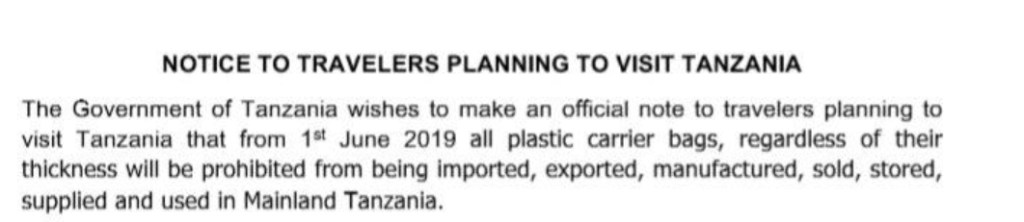
So this year Tanzania have banned all carrier bags.
I totally agree with this and it is a great step towards reducing the amount of unnessary plastic in the world especially single use plastic.
Packing for a 2 week trip, including going up a mountain in the rain without plastic has caused a few head scratching moments.
Luckily I have many dry bags from other sports I take part in so packing most items to keep them dry is no problem.
But what about shoes? I want them seperate to all the other items in case they are muddy or wet but they are never going to dry if they are stuffed inside a dry bag during the day.
What about snacks? Usually when hiking I take a small bag of snacks in my pocket. This means they are accesable, don’t get wet and I can make my own mix of goodies rather than just having a single type of snack.
What if I accidently buy something which comes in a carrier bag, I must remember to get rid of it.
Keeping documents or passports dry is something usually solved by a ziplock bag. Will this be allowed? We shall find out.
Anyway. All these minor details are solved with some thought and goes a long way to reducing waste and the need to create single use plastic, then good.
I Am aware I have not provided solutions for these plastic problems as I want to see if they work before revealing them. Certainly from now on I plan to pack and travel without carrier bags and single use plastic.
It has been pointed out recently that I do not take many strokes when paddling white water. Is my paddling lazy or efficient?
I have been shown recently that 1 effective and well timed stroke is just as effective as ten’s of frantic or small strokes. If you can achieve something in 1 stroke why bother using any more. Save your energy for when it is needed. When I say 1 stroke this can be quite a dynamic stroke turning a power stroke into a hanging draw or stern rudder etc.
The downside of relying on a few strokes, if you miss it or dont time it well, things are going to go wrong, quickly.
So getting a balance is crucial. Enough strokes to stay on track but not too many that you are just waving your paddle for something to do.
There will obviously be the purests which state 1, your paddle is only useful when it is in the water. True. But you can steer with your boat, which is generally in the water. For example ski jump on the upper T can be successfully ran with 1 well timed stroke and somw edging.
2, to be in control you must be moving faster or slower than the water. Again true hence needing a paddle stroke now and again, but when the water is going in the right direction don’t fight it, you will loose.
I learnt many moons ago during slalom training that using the water is the most efficient way. Then using the right stroke is the second step. So next time you look at a rapid to pick your line also consider which paddle stroke you would use. Go into detail, which side should the stroke be on, when should you do it. Then work backwards to the calm bit of water going through each stroke. That way when you leave the calm on the right stroke all the rest fall into place.
However as previously mentioned getting that one stroke wrong or getting too lazy has consequences so should be used sparingly. My recent examples dropping into rather larger stoppers rather than going over them as I did not have enough speed or power from just 1 stroke to get through it. This resulted in a 5 minute surf in a stopper and a lot of work to get out. Lesson learnt – i should have used a few more paddle strokes initially and saved my self a lot of energy fighting my way out.
So next time you see some one gliding down a river using very few strokes try and assess are they lazy or efficient? Does it look smooth and they are going were they want or are they simply bouncing down the river.
It all started by a lucky holiday and a passing comment. November 2018.
“Some of us are going to do Snowdon next Friday if you are around”
Sure why not, I have the day off already.
A failed paddling trip was salvaged by a trip to Wales and the start of a great adventure to Africa.
One beautiful walk, and I mean the best weather Snowdon had ever seen, several bottles of wine later it turns out that 2 of the walkers were planning on climbing Kilimanjaro next year, at different times but with the same organiser.
My ears pricked up, to be fair this was not the first time I had discussed this, several years previous we had chatted about it but not done anything. A few google searches later I was also signed up.
The time between the first mention and me booking was only a few days. After all the hard stuff had already been organised for me. Who to go with, when to go.
Now came the fun preparation and planning. Shuffled dates and now 3 of us were all going. Booking flights, buying new kit, plan some training and actually read about what I had signed up for. Standing at 5895m, altitude was going to be a big challenge followed by the massive change in temperature. One quote I read “it is like walking from the equator to Antarctic in only a few days!”
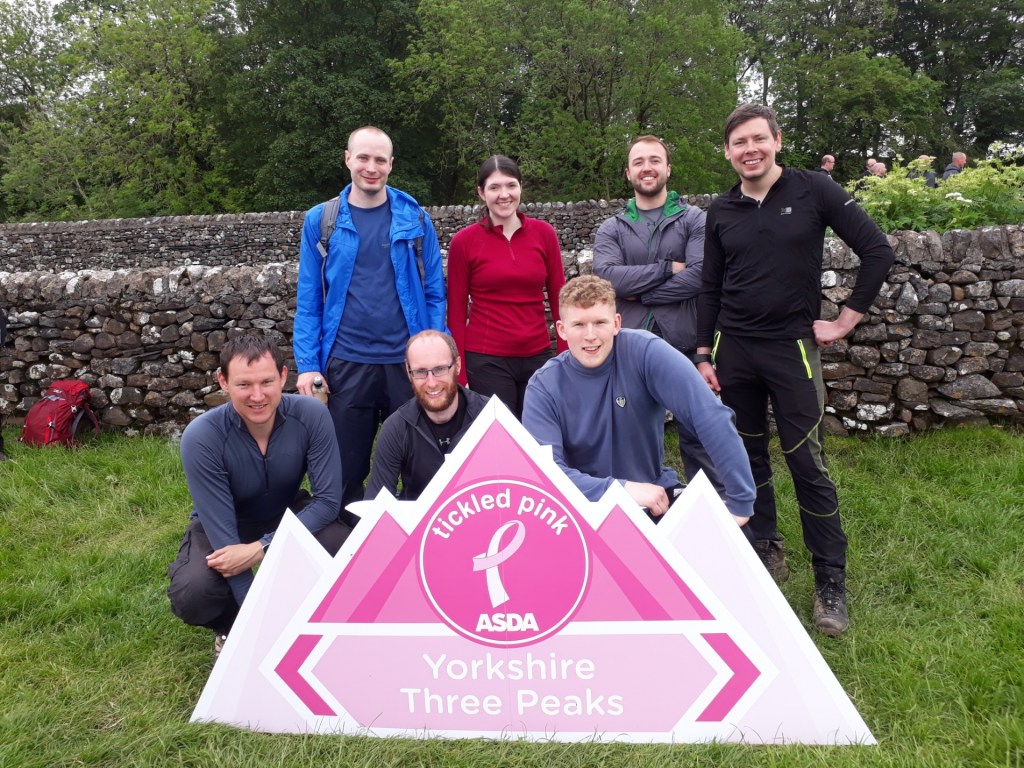
Several shopping trips and lots of reading about the trip will be needed. Ben started organising a training Yorkshire 3 peaks trip in Easter. I started trying to figure out which vaccinations were needed and where to get visas from.
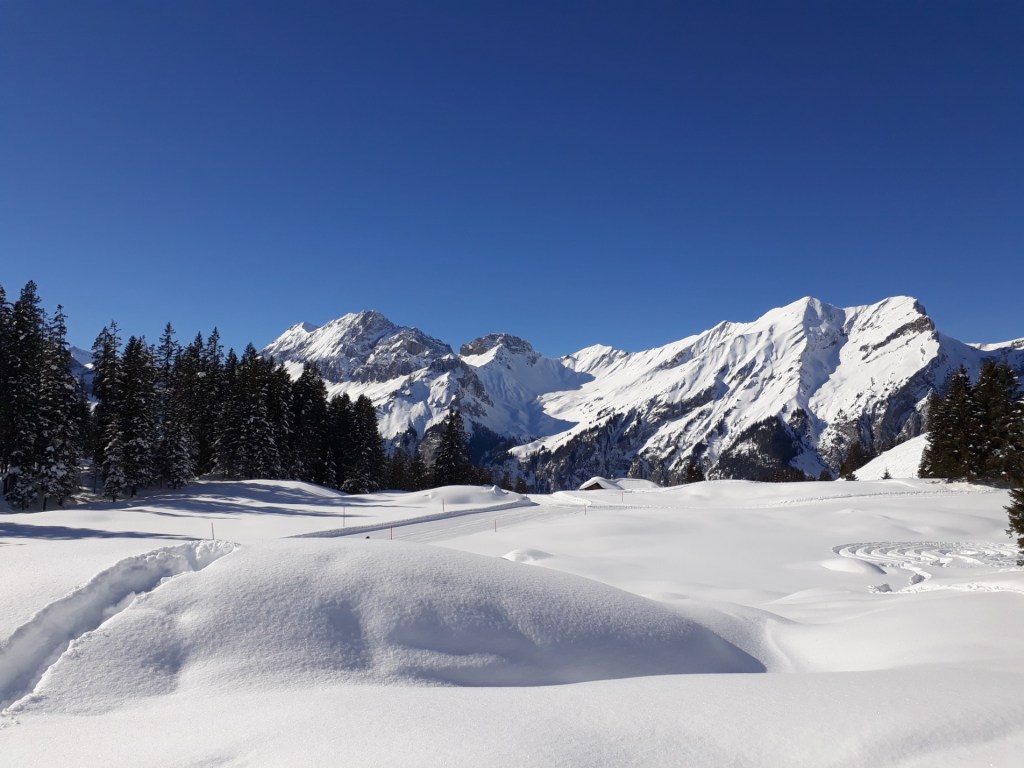
My altitude training and walking continued in the Swiss Alps only 2500m and several hours walk but it was a start.
So we are heading into March and my plan of doing some steady training has not occurred however I have signed up for another walk. Yorkshire 3 peaks again. This time in June so I am going to use this as the hot weather training and also to retest all my stuff, what I should carry and what I should wear. Having spoken to a few people who have done this it sounds a challenging walk covering a lot of miles in one day. Which is the opposite of the Kili trip but a good chance to see if everything is comfy, especially my new boots.
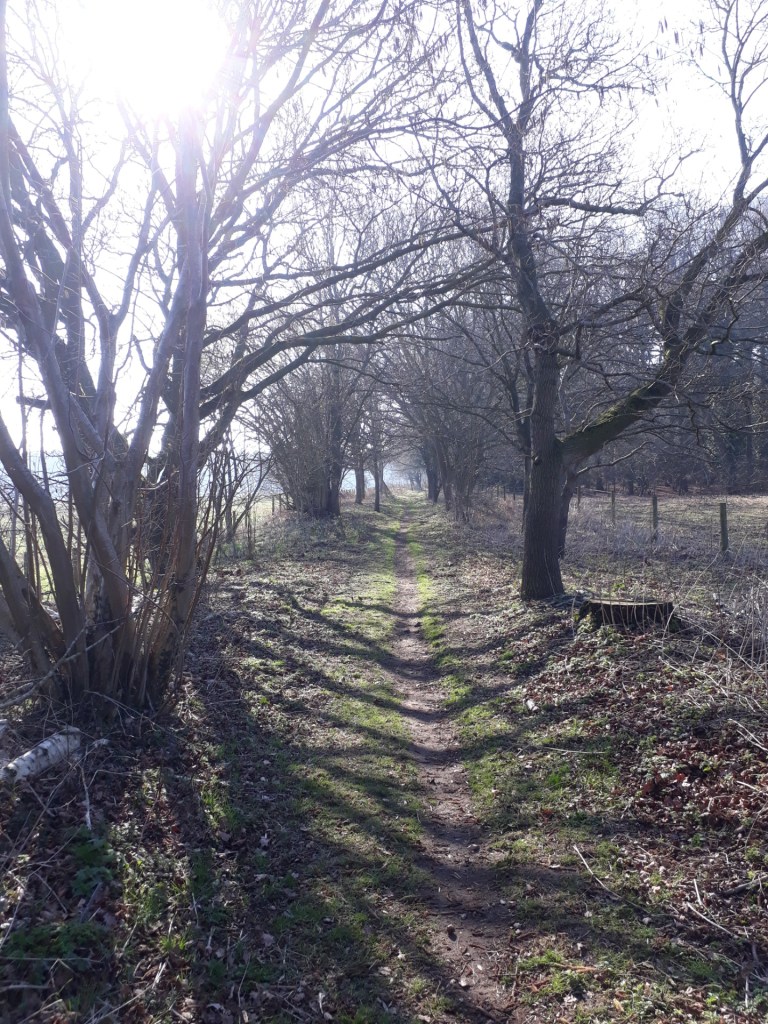
Recently trying out my new kit in the wilds of Norfolk a few walks of around a couple of hours. One in sunshine and one in persistent rain tested out the layering system, waterproofs and walking poles. Also new bag seems very comfy and is more practical than my previous, so all in all happy with my current kit and walking progress.
Next step is to try walking for multiple days but I will do this after the 3 peaks.
As part of Red Nose Day a group of Celebs went up Kili by the northern route. Watching the hour long documentary of their trip was enlightening. Finding out that altitude sickness effects mental as well as physical state was new. However, the spectacular scenery and amazing sense of accomplishment they felt at the top got me excited and even more eager to do it. I am now even more glad I am going with some people I know as the team mentality to succeed was necessary in the challenging times.
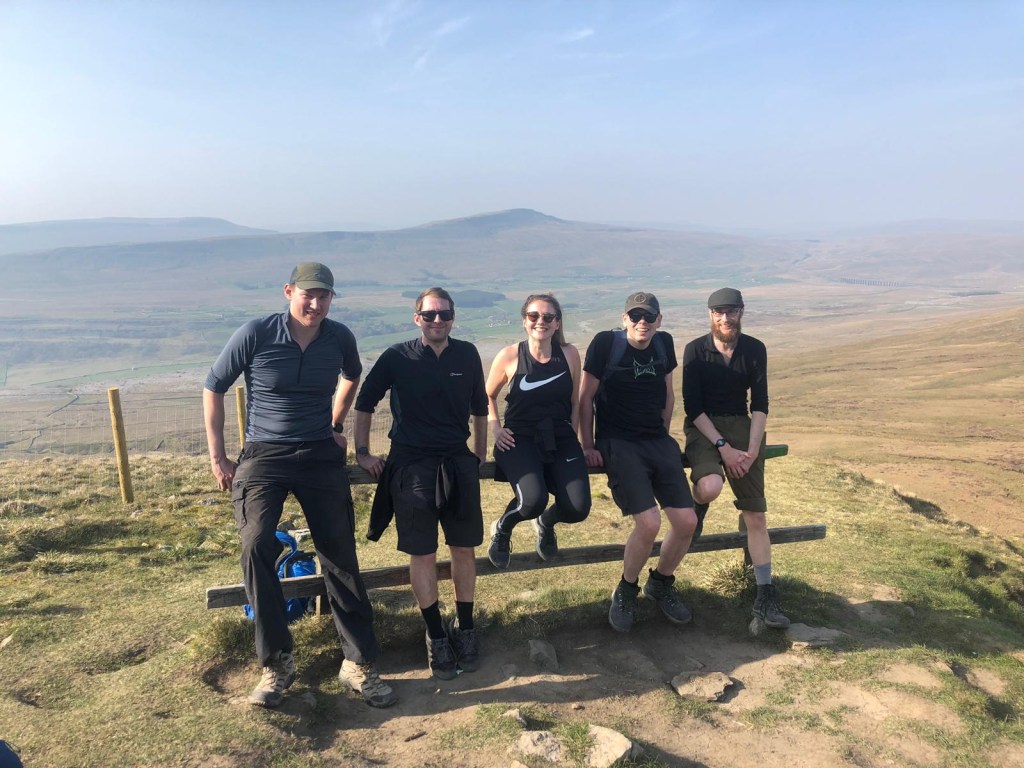
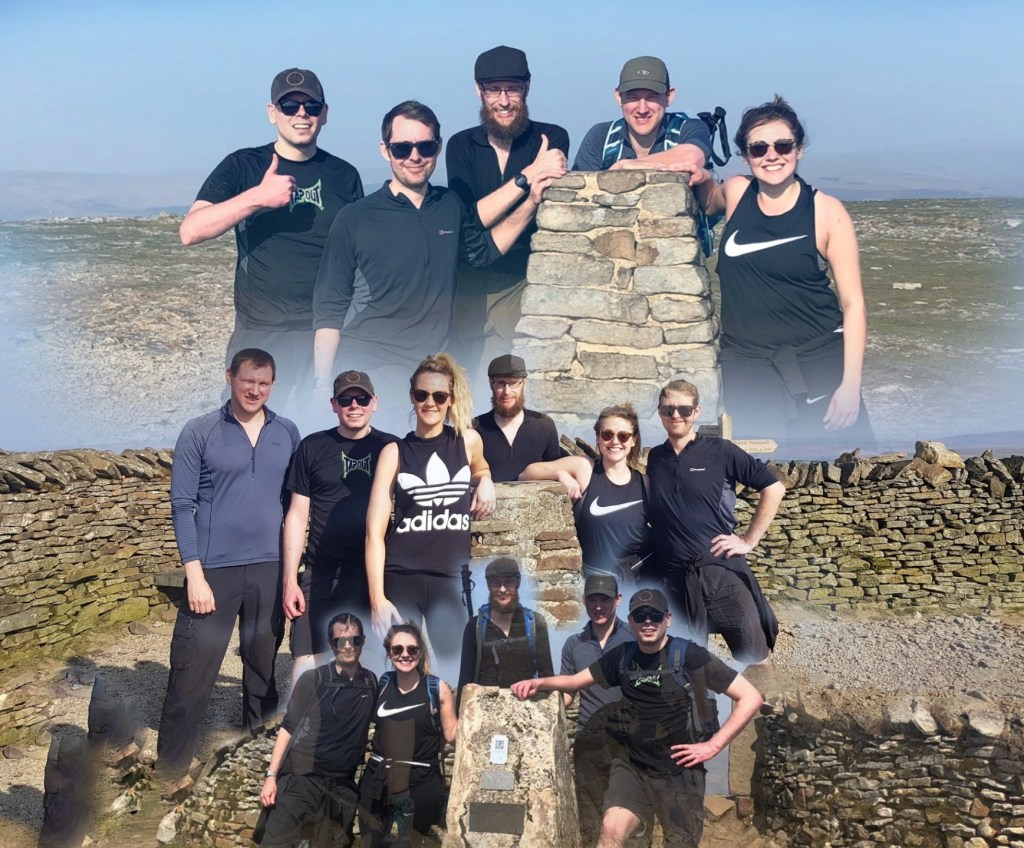
Easter weekend – temperatures in the high twenties. Let’s go for a practice 3 peaks walk. 26 miles 3 hills and many many steps. Finished in 11 hours 20 minutes with a few stops for snacks, ice cream and enjoying the views and taking photos.
Was very useful knowing what to carry, what to wear, or more what not to carry and wear. Also good chance to try the new boots out.
Made it to the end. Only a 5 mile walk to get back to the car.
More weekends away and more walks.
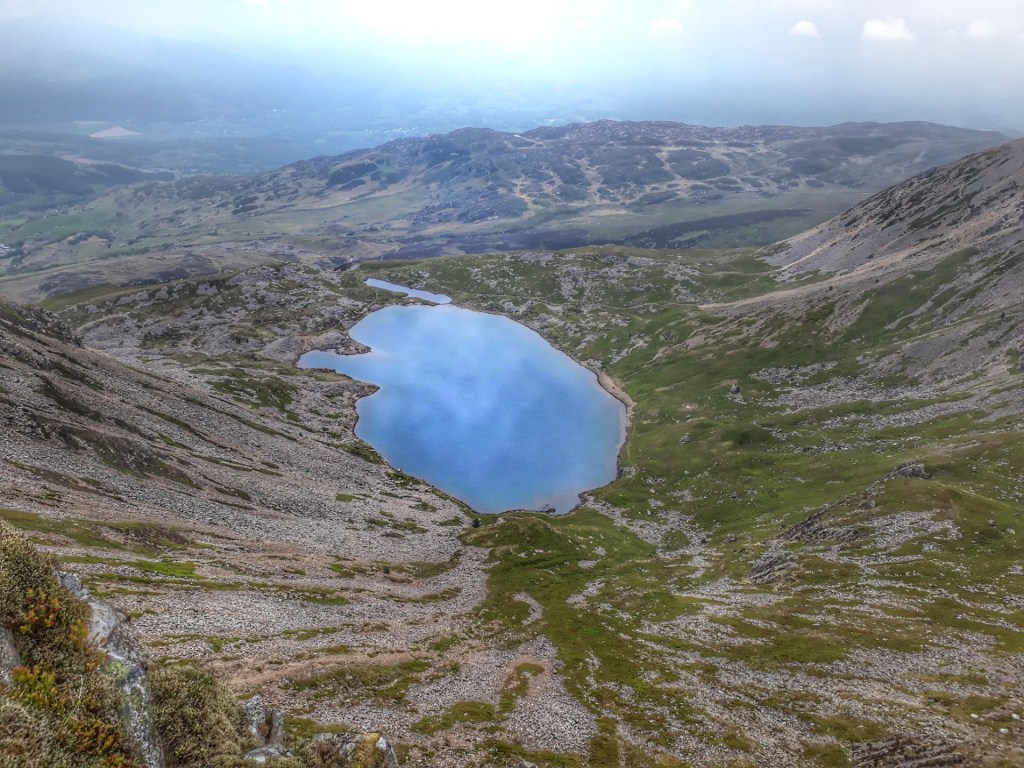
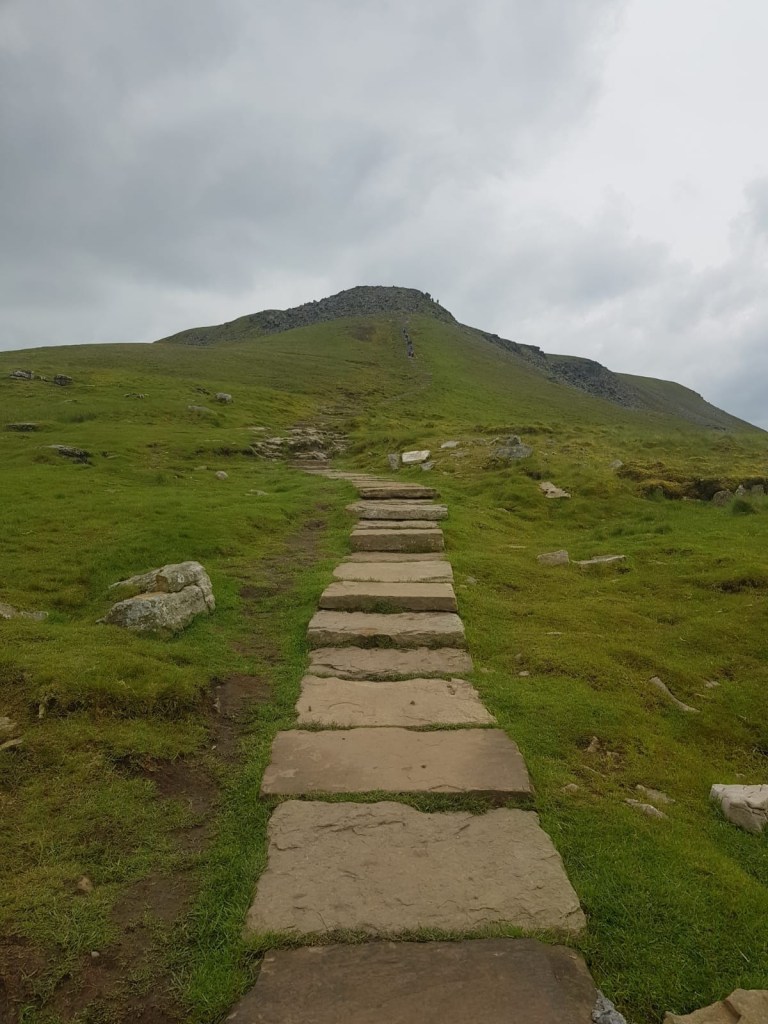
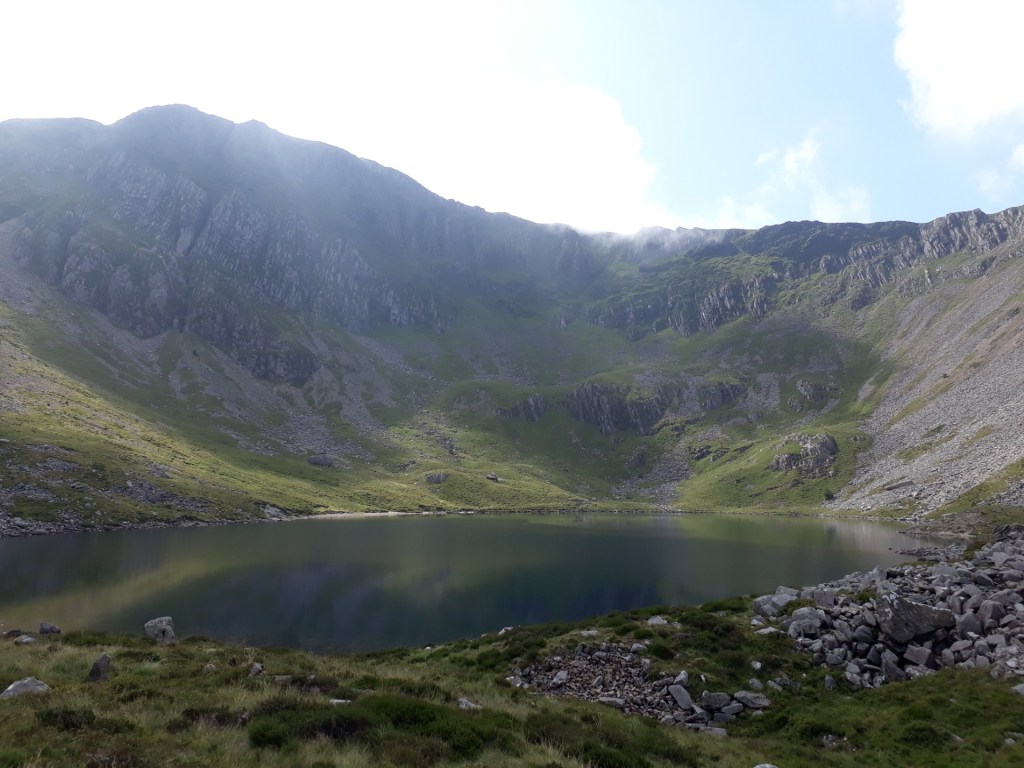
Trip to Wales meant a nice walk up Caldair Idris, a lesser known but just as nice hill in South Snowdon allowed me to try out different sock options
A few walks round the local Norfolk forests and riverside in Cambridge allowed for walking on consecutive days with a bag or baby, similar weight just one is wiggly.
The back to the Yorkshire 3 peaks for round two, this time joined by 300 work colleagues. Tested out all kit in all weather. Starting with heavy rain for hours changing to sunshine.
Overall a good 10 hour walk. Legs felt fine the next day. Still need to carry less and trust the kit I have to keep me warm and dry.
So with 100 days to go some more things need to be checked of the list.
Some Vaccinations have now been booked along with a chat to the doctor on additional vaccinations and medication to take. Accommodation in Zanzibar has been finalised along with internal flights to Kili. Prescription sunglasses ordered for those fine days on the mountain.
Still to do list is still long but progress is being made. I think final accommodation and visa’s will be next followed by any other medical stuff I need to sort out.
Just had first lot of vaccinations, one in each arm so slightly stiff arms for the next few days. Need to organise the rest of them with a private travel clinic. Yey more stuff to organise and do.
Been for another beautiful walk in Wales, back to Cadair Idris this time the scramble route.
A lot more vertical but a lot more picturesque.
Round 2 of vaccinations have started only to find out they are a 3 dose concoction so more Saturdays getting stabbed. 😟 Total count will be 11 different vaccinations and still deciding on a couple more.
Final vaccination count was 12 in the end.💉 Something I had not accounted for was just how expensive they would be, this is something to remember if travelling again. However, I think the cost now is a lot smaller than the cost of getting the disease.
Successful weekend I also managed to get anti-malaria tablets as well as US$, more things ticked of the too do list. 🙂
With 4 weeks to go a weekend of frantically watching YouTube clips of what to pack for Kili and checking against my own kit list might require another shopping trip. Spare clothes to wear in the camp make it much more comfortable. Also reminded I need to sort out how to get to the airport in the first place, might have missed that vital step.
One more training weekend of walking coming up and then the final preparations.
Three weeks to go. Lot of frantic messages about kit and what else needs to be done are flying around.
Currently spending 4 days in Wales walking and camping just to get used to it all and figure out if I need anything different.
Tried out a new air mattress, so comfy, had good night’s sleep each day which will be important on the mountain.
Short warm up walk to the quarry at Moel Siabod on the first day as arrived late but still good.
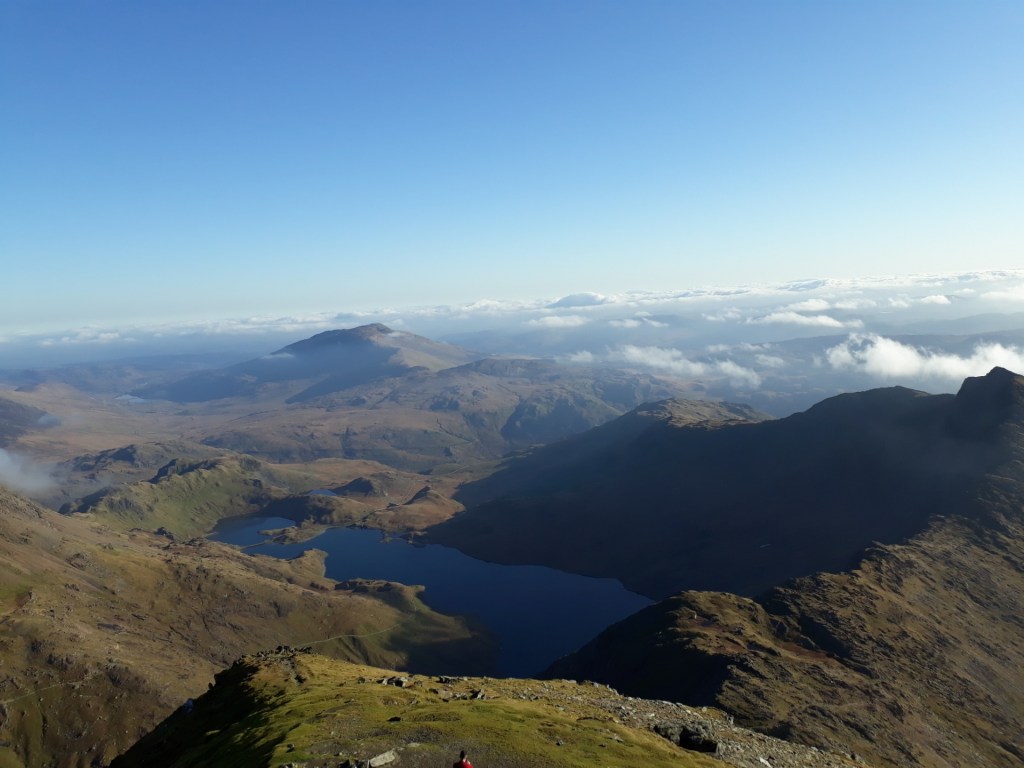
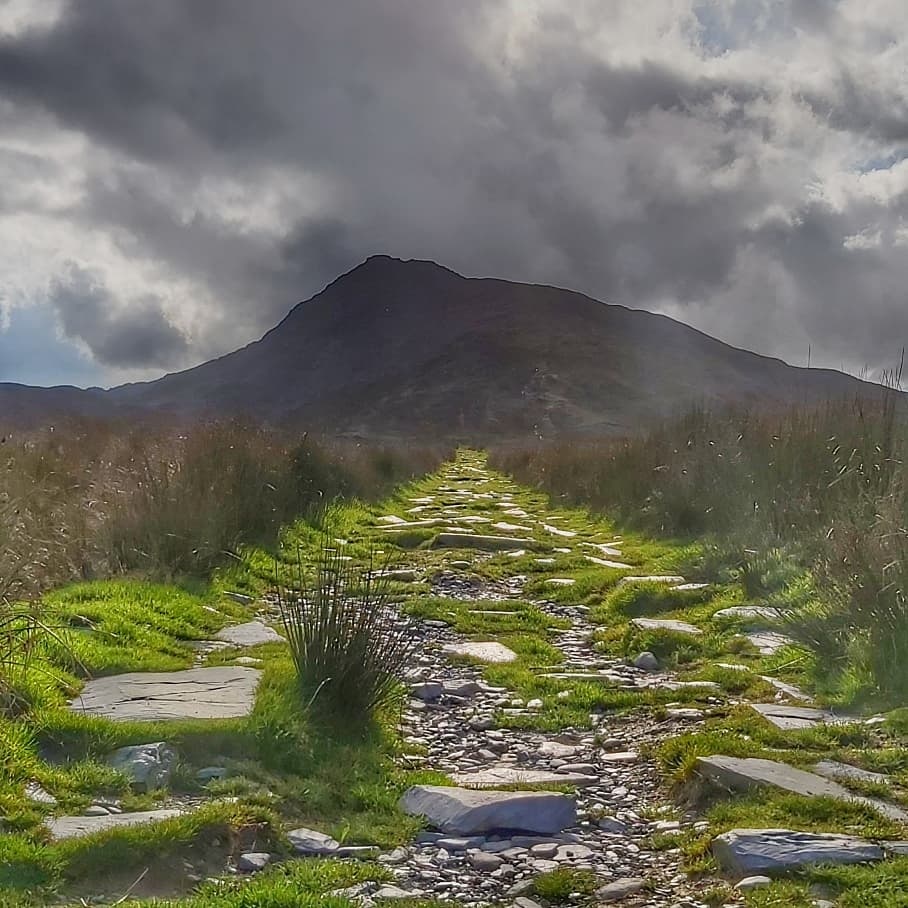
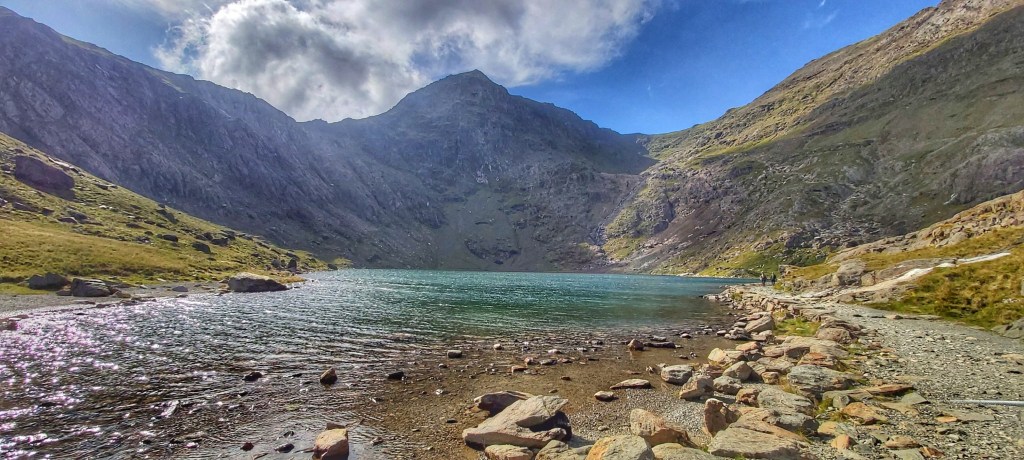
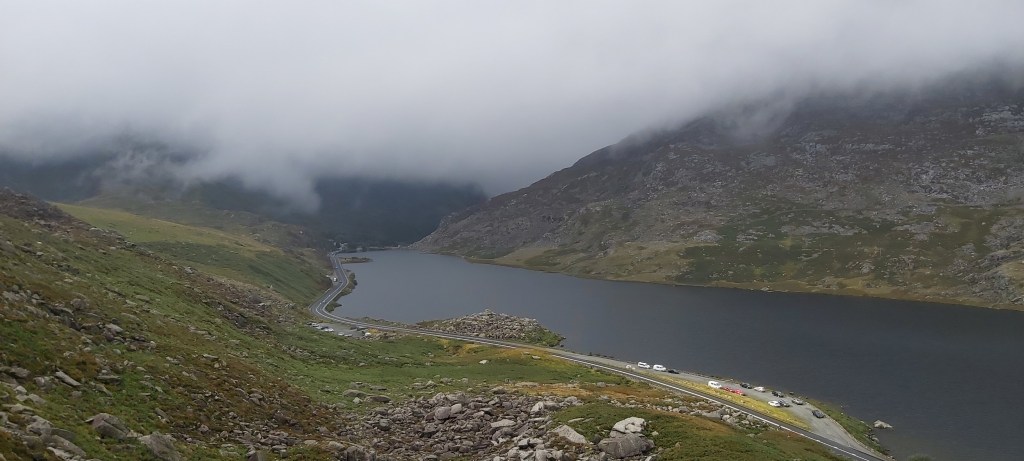
Then onto Snowdon, like everyone else in Wales, as it was a nice day. Got a chance to try out my layers in the wind then sun then wind, typical welsh weather but no rain. Also tried out the sunglasses all day which worked well.
Still learning I need to carry less and work out why one boot always needs re-adjusting.
Day 3 in Wales has let me try out my wet weather gear! Managed to find some dry patches in Bangor so went for some coastal walks without my bag.
Covered quite a few miles and feet and legs felt fine, finished off with a scramble up a hill just to work on stability training and to get a nice view, between the clouds rolling in.
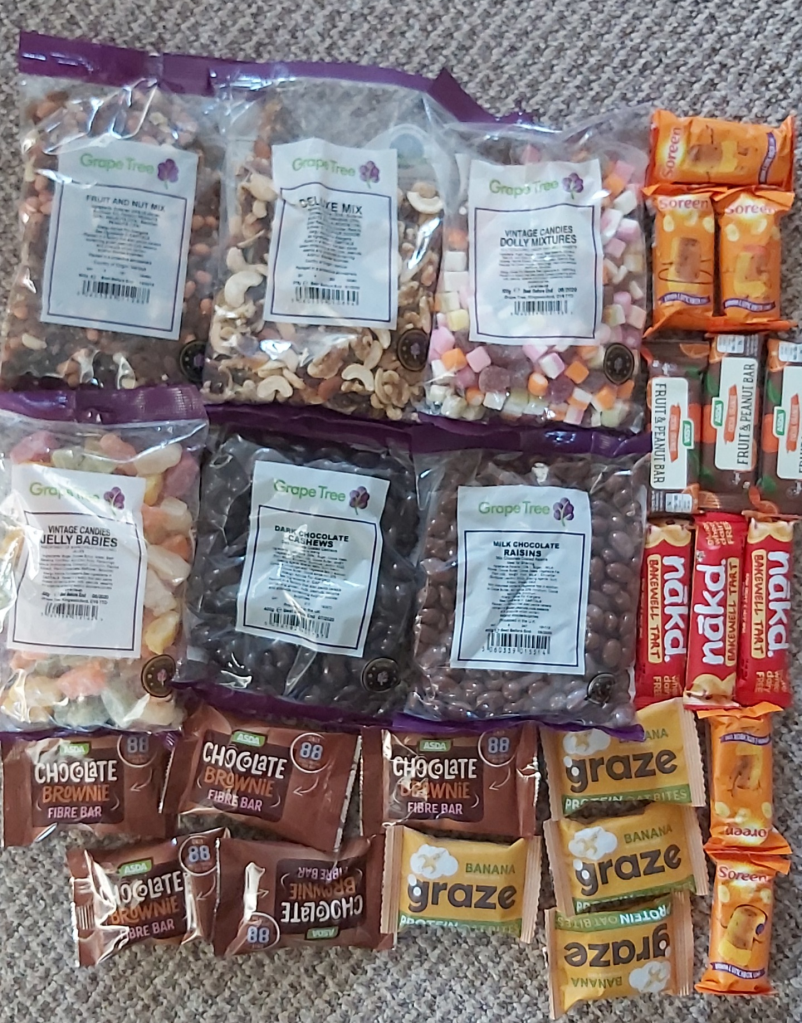
Most of the random bits and pieces have now been bought including a new even bigger bag, as although I was underweight it was a very tight fit to get everything in. Also excessive number of snacks and high altitude insurance have been purchased.
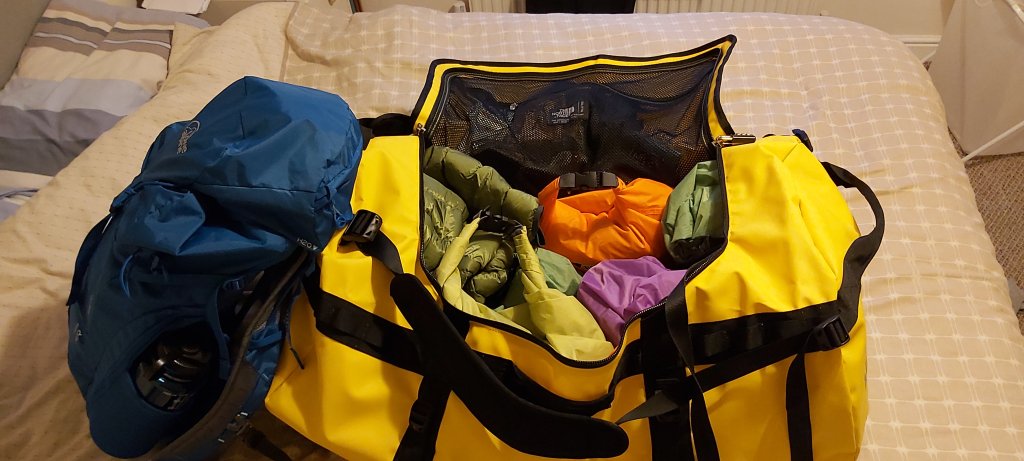
Just the last minute packing, weighing, checking and repacking to do.
Top tip- if you have 2 options of things but only need 1, weigh them and take the lightest. Saved myself about a kilo working through all the bits and pieces.
Lots of multi coloured dry bags to keep things dry and organised.
Time for an adventure!!
Off to the Top of Africa to watch the sun rise over the Serengeti, via Zanzibar.
 Mike's Travel Adventures