NC500 + Skye

2021 not much to do and not much money, so decided to drive up to Scotland and admire the NC500 route.
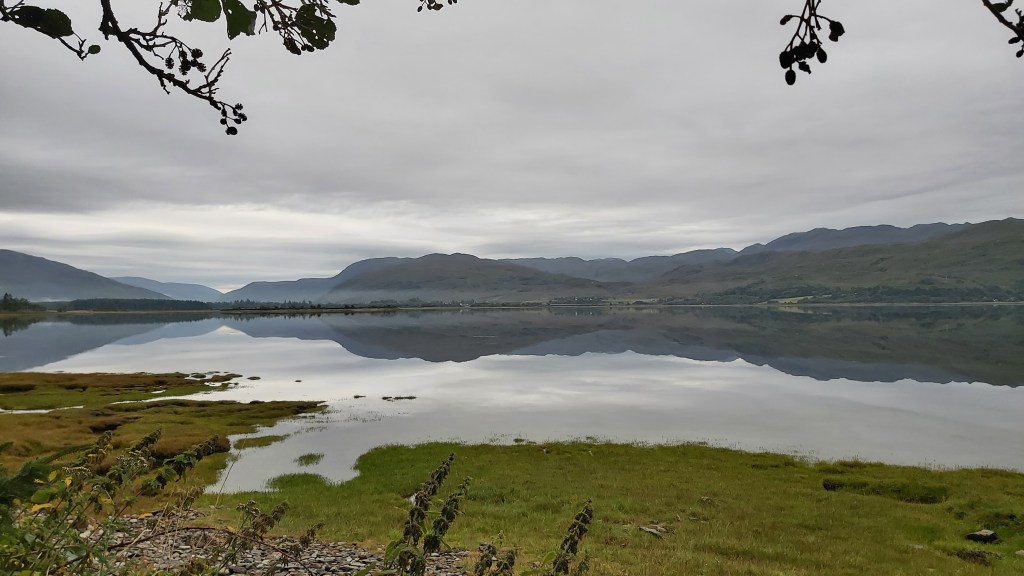
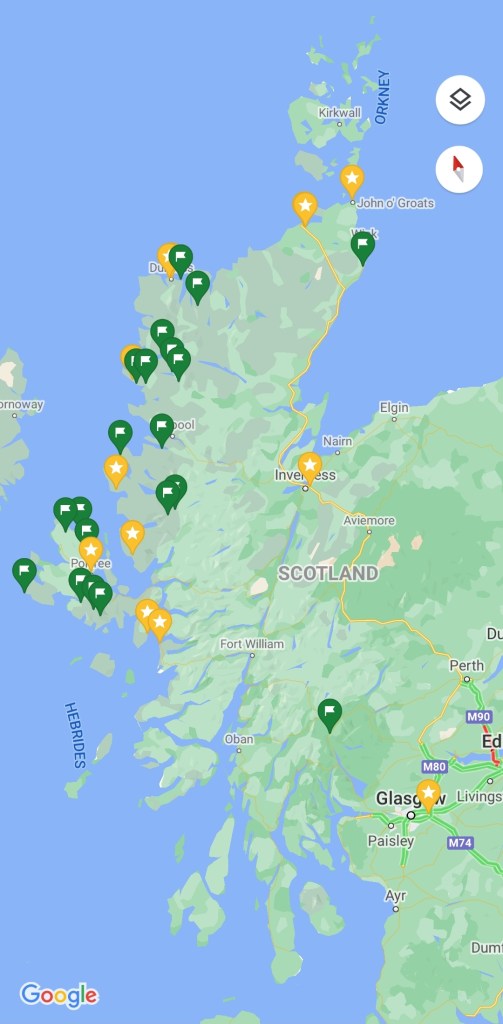
Bought myself a £2.99 map of the route and started plotting where to stay and what to see. Using paper maps and google maps really worked well. Plotting where to stay and visualising how far apart they were combined with hunting for campsites meant 2 maps was useful. I tried to ensure I did not have to drive more than about 2 hours between campsites each day, once I was in Scotland, so leaving enough time for exploring. Plus so it did not feel like I was stuck in a car all week. So after much searching and double checking I had all the campsites booked for the trip, making sure I got them booked in the right order was quite stressful as a few had similar names. I picked campsites as they were a lot cheaper than B&B’s etc. but also meant I was self-sufficient and could avoid crowds, plus I really like camping and getting back to basics.  

Once accommodation was booked I then started hunting through maps and reviews on the best places to see on the trip which fitted into my route. Then pack the car with camping, hiking and cooking stuff and I was off. 

Day 1.  Drive to Glasgow. Quick pit stop at nice services. 4.5 hour drive. 

Decided to break the journey up rather than trying to get all the way to Inverness in 1 day. Plus gave me a bit of time to pack in the morning after finishing work the day before. Drive was easy motorways and had not planned anything in Glasgow other than sleep and a good place to stop. 

Day 2. 

Drive to Inverness. 

More hills today to look at on drive as the road went round the Cairngorm National Park. Drove though Newtonmore and Avimore as I have stayed in both many years ago but did not stop as very busy.

Got to Inverness in good time as had an early start from Glasgow.  

Quick food stop at Tesco before exploring Fort George and some pebbly beaches at the mouth of Inverness and the sea. 

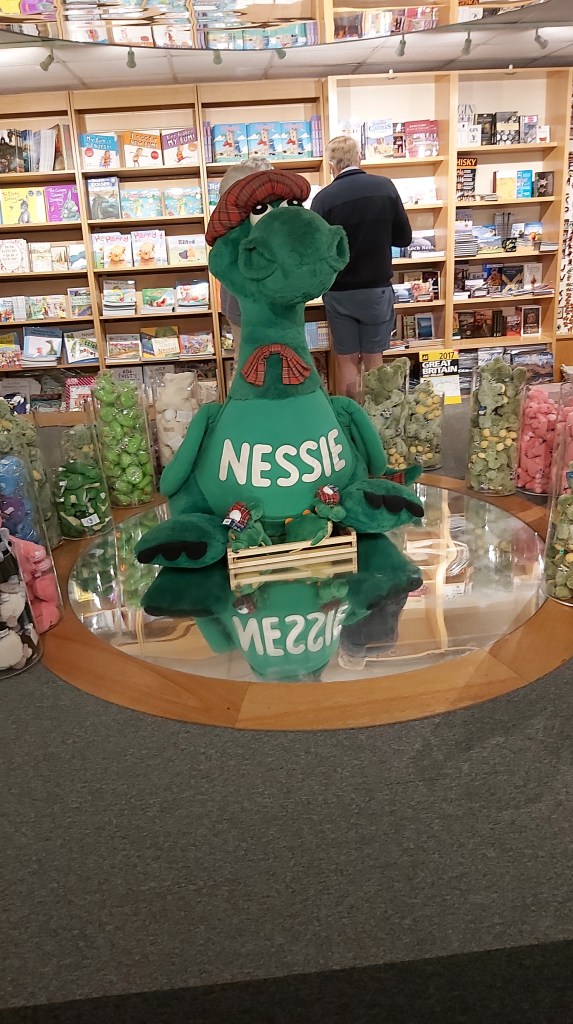
Drove along Loch Ness, did not see any monsters. 
Day 3. 

Drive to Thurso via Wagoli steps and john o groats.

Scenery started to get a bit more Scottish on this 

drive up the east coast, a lot less people and a lot more countryside. 

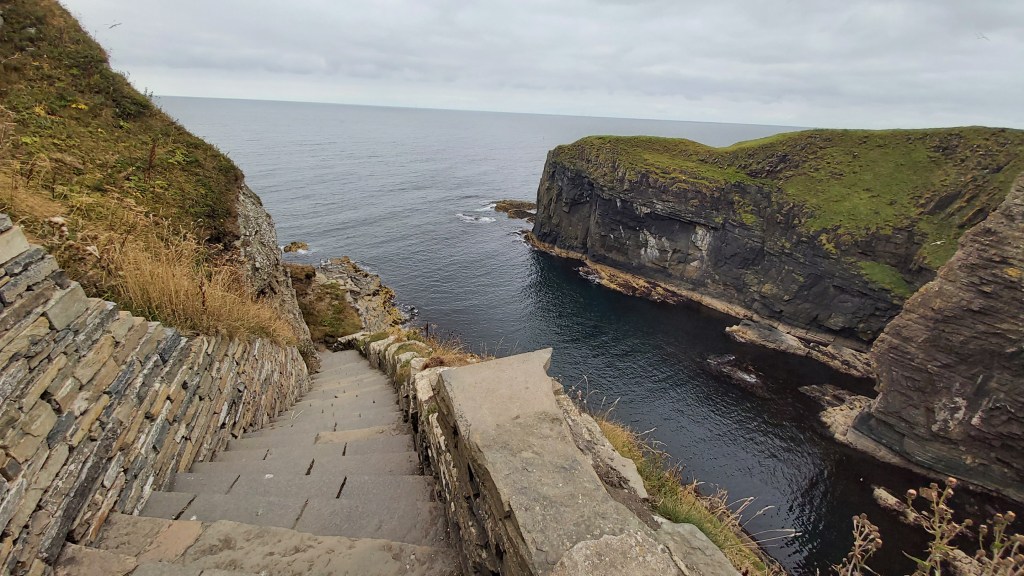
Got to Wagoli steps, they were tricky to find. 

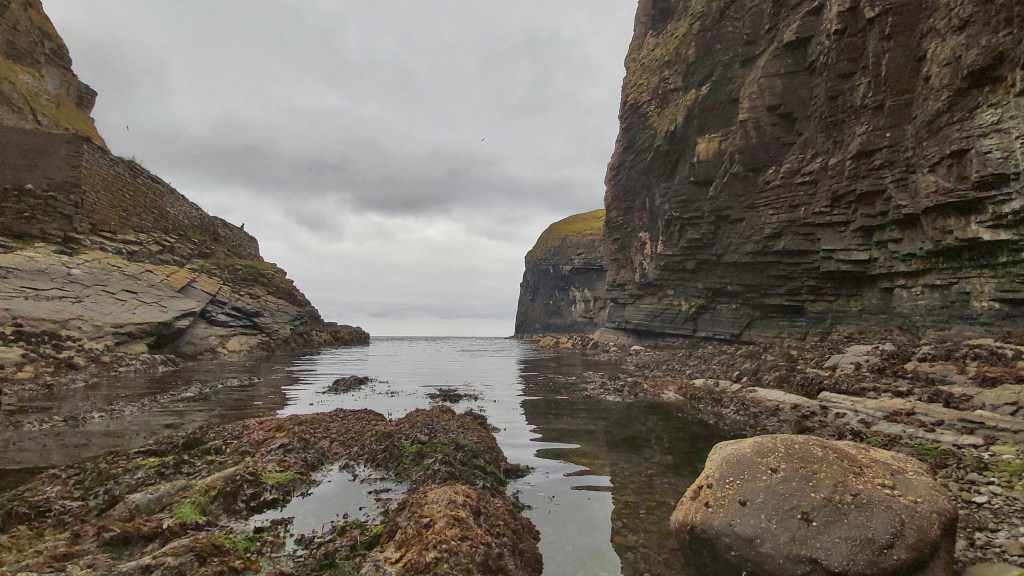
Went up and down the stairs and spent a bit of time exploring the cove at the bottom as tide was out.
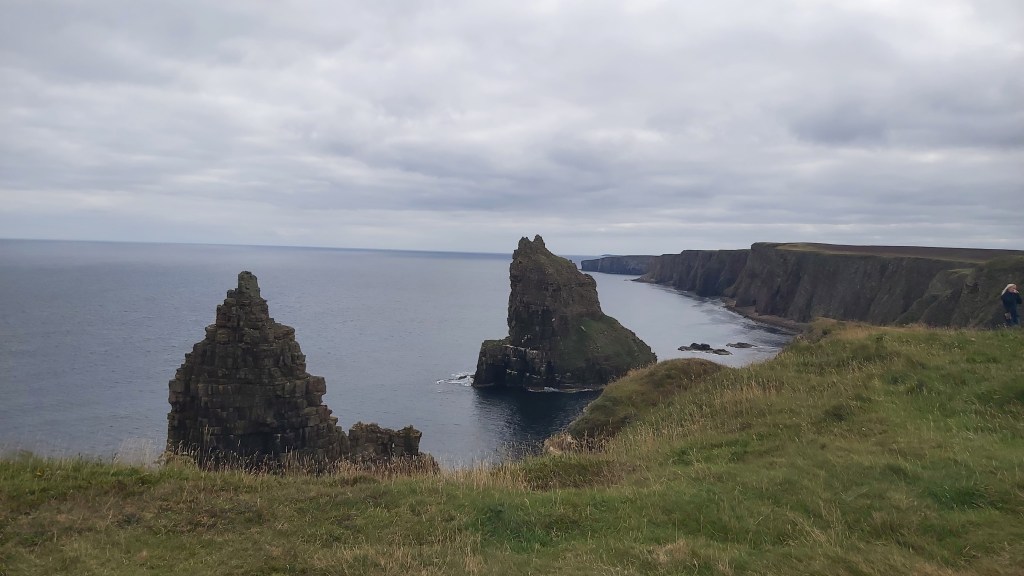
Then drove up to look around John o Groats, not much there other than touristy bits but just around the corner is some nice views of Duncansby Stacks in the sea, worth the visit up by the light house, and views towards the Orkneys.
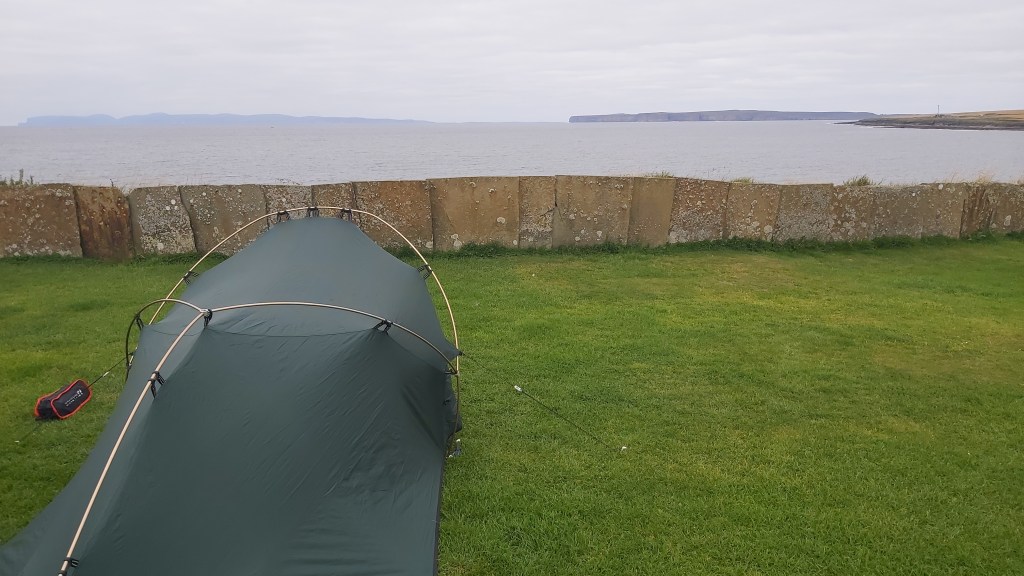
Drove west and arrived in Thurso for camping and food. Sea view campsite which was very nice on top of a cliff overlooking the sea but still close enough to town for a short walk. Had a walk along the beach after pitching camp. 

Driving up the east coast saw a weird stone spire on hill near Golespia, will have to find out later. Turns out it was the Duke of Sutherland Monument. 

Day 4

No driving today just walking about. This was due to a campsite not getting back to me so decided to have a rest day from driving, book two nights here and explore the very north of Scotland. 

Thurso is quite nice lots of local shops, long coast line, a distillery, fishing docks and even saw wild salmon jumping in the river. Was purely by chance I walked into a nice park for some lunch and heard splashing in the river, thinking kids were throwing stones until I stopped and watched and 5 or 6 Salmon were having a good feed jumping out every few minutes. 

After lunch went for a long explore along the coast past an old castle and various other ruins along a nice cliff top walk. 
Day 5. 

Drive to Durness. 

Had an early start so I could get a spot at the campsite as places were limited and not allowed to book in advance, plus there were a couple of fun spots I wanted to stop at on the way.

Today was the first section of single track driving and was a good introduction on what was to come. 

Turns out it was not bad, plenty of passing spots, not much traffic early on and everyone I did meet was good enough to stop or wait for a passing spot. 

Was a nice sunny drive. Some rather narrow twisty roads but was not too busy. 

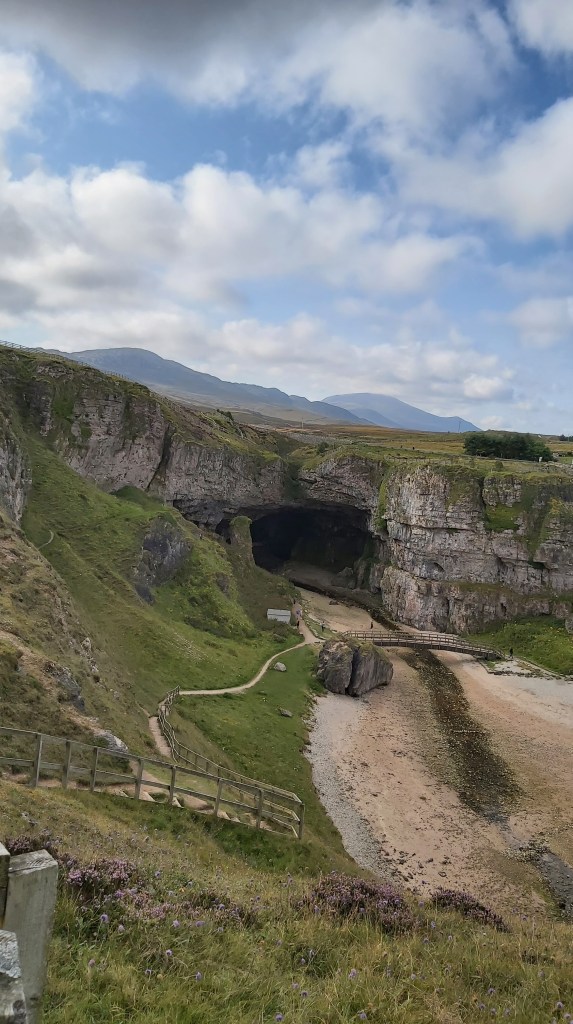
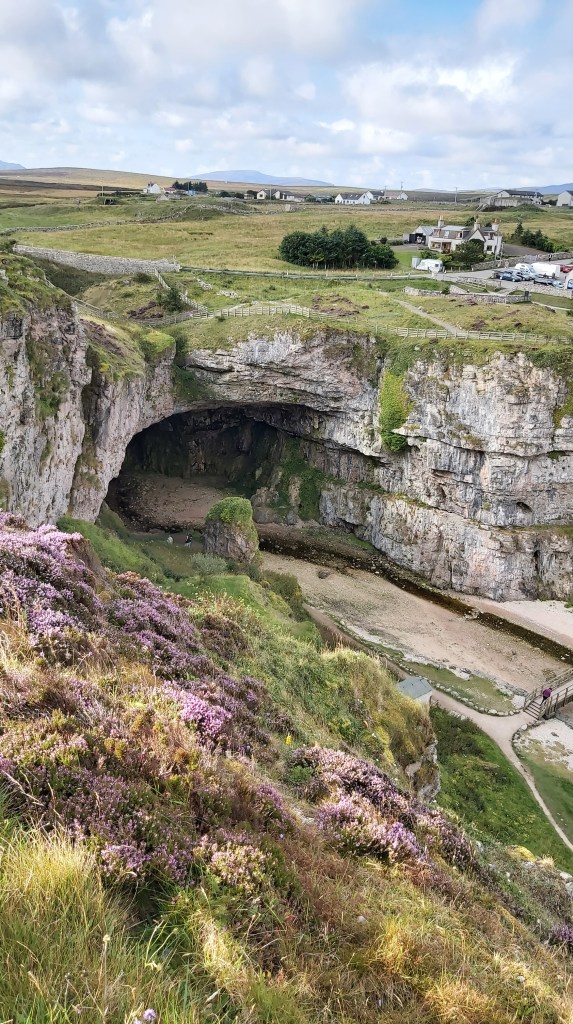
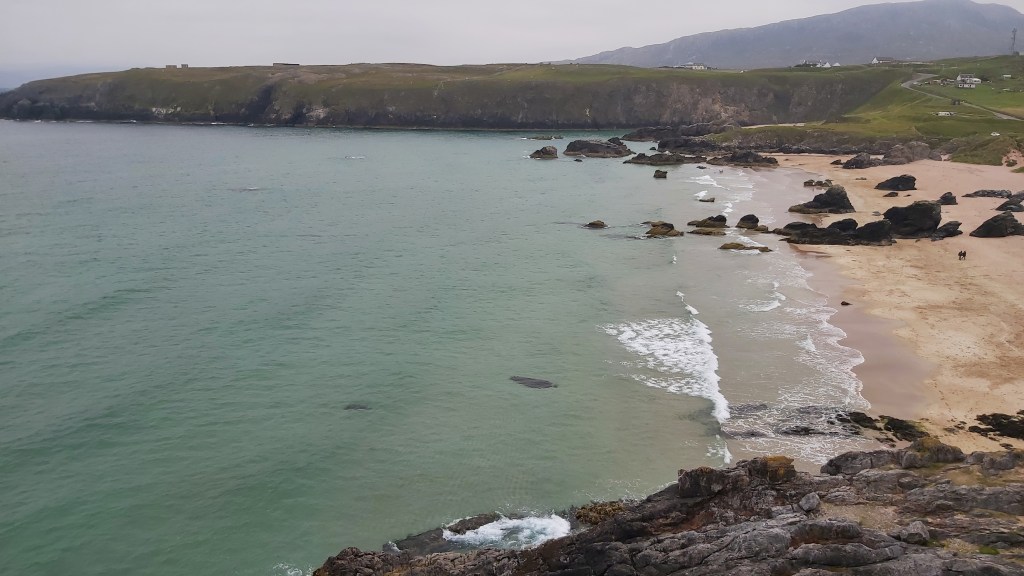
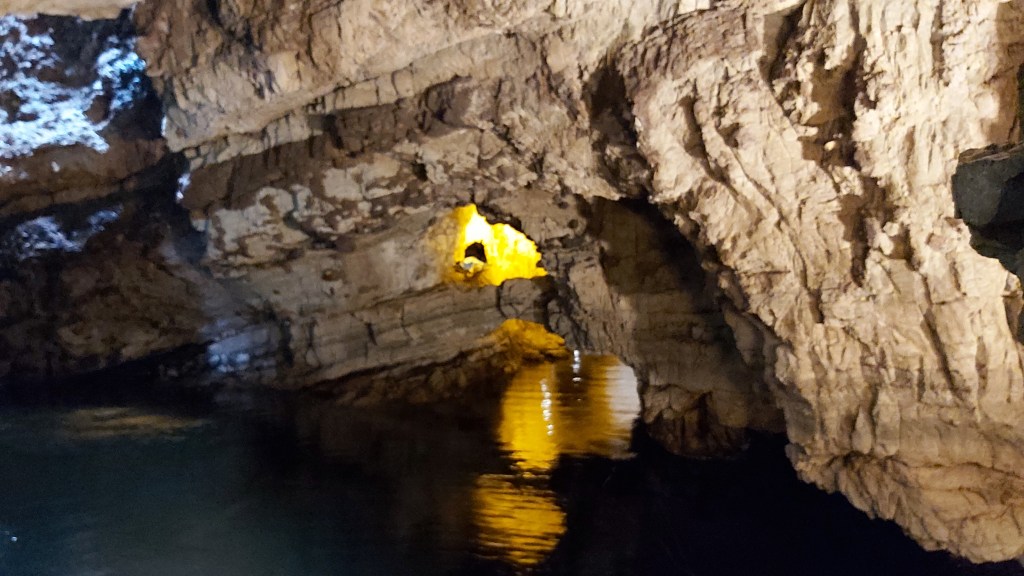
Stopped at Smoo cave and a few other photo spots on the way. Smoo cave was interesting as unusually for a cave it had a really big opening at the mouth before disappearing into a underground river system. There were some nice views of the cave from various points. 
Got to the campsite in time for new bookings and got a nice spot on top of the cliff. 

As I arrived early morning I thought I would explore and spotted a little gate off the campsite so headed off. 

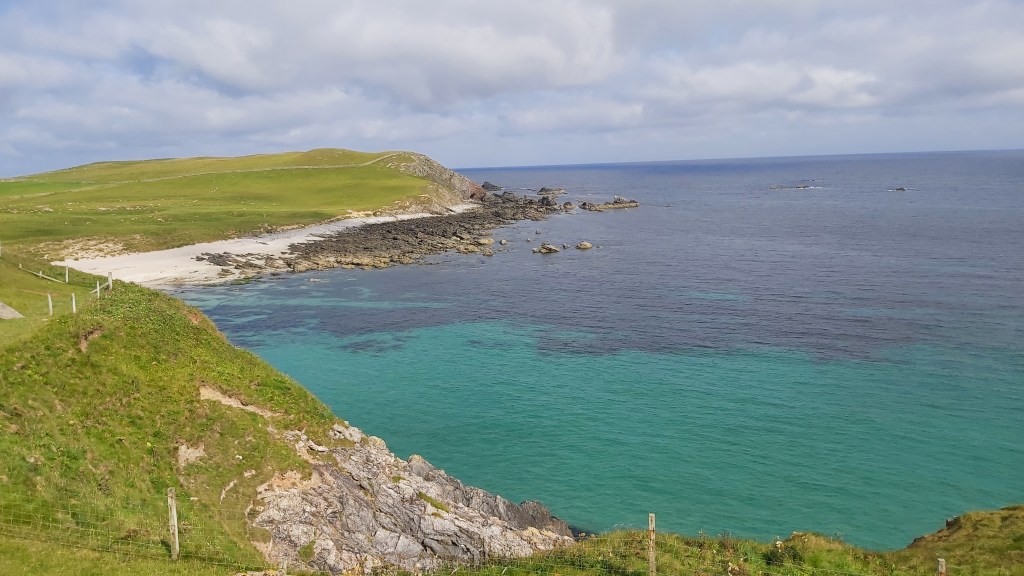
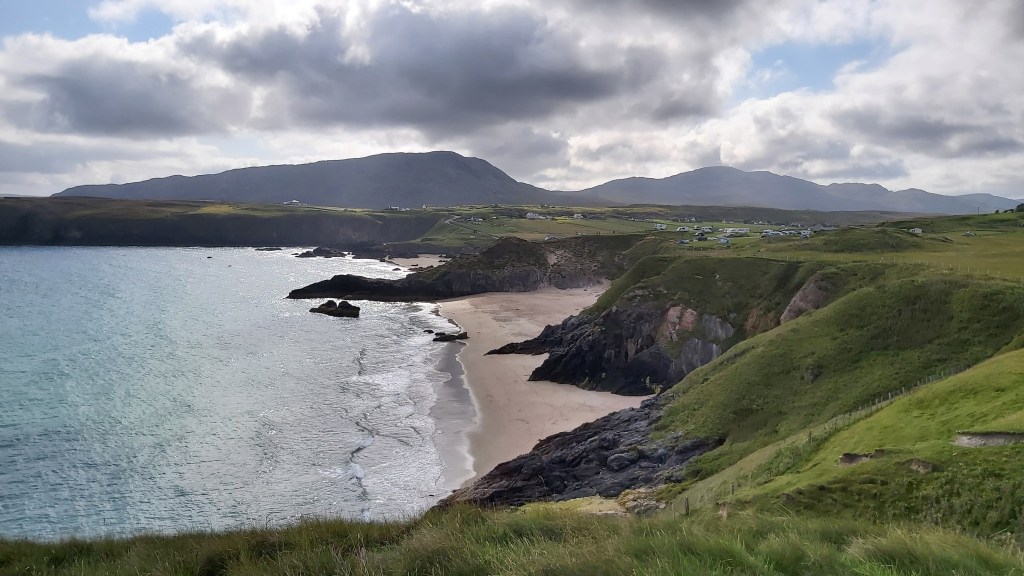
Went for a walk up the beach and onwards through some farm land before joining onto a small road. 

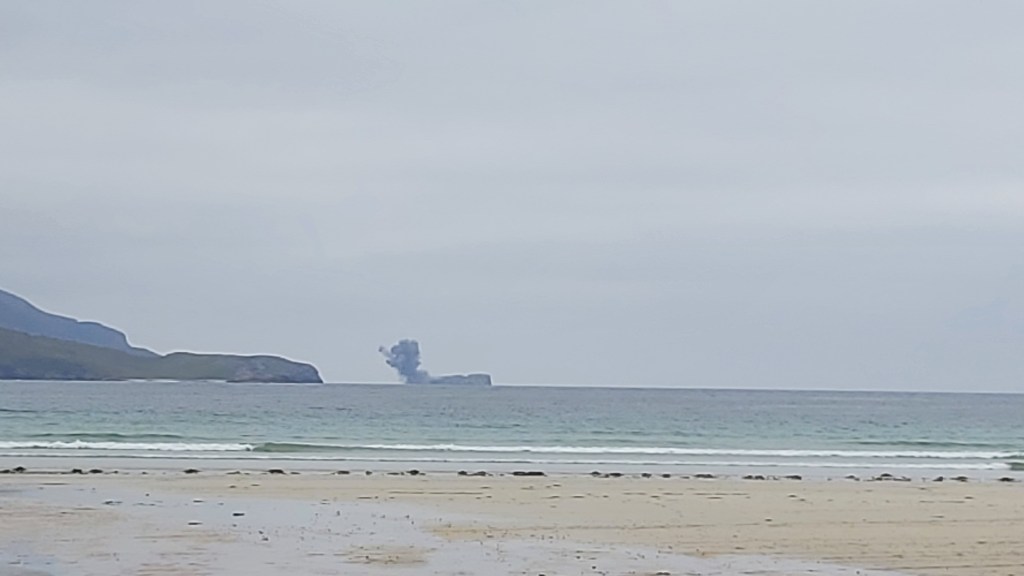
The road went on towards another peninsula and across a beach, yes across it and then along it. I was now quite intrigued by were this went so followed the small track all the way to the very end of the peninsula. I then saw some live bombing runs just out to sea, turns out it is a MOD firing practice and the only place they are allowed to drop live bombs. 
After a longer walk than anticipated returned to camp for some food and then explored the beaches and cliffs next to the campsite. 

Day 6. 

Drive to Clachtoll via Lochiver. 

Now on the west coast of Scotland there were more great scenery, mountains and smaller roads. 

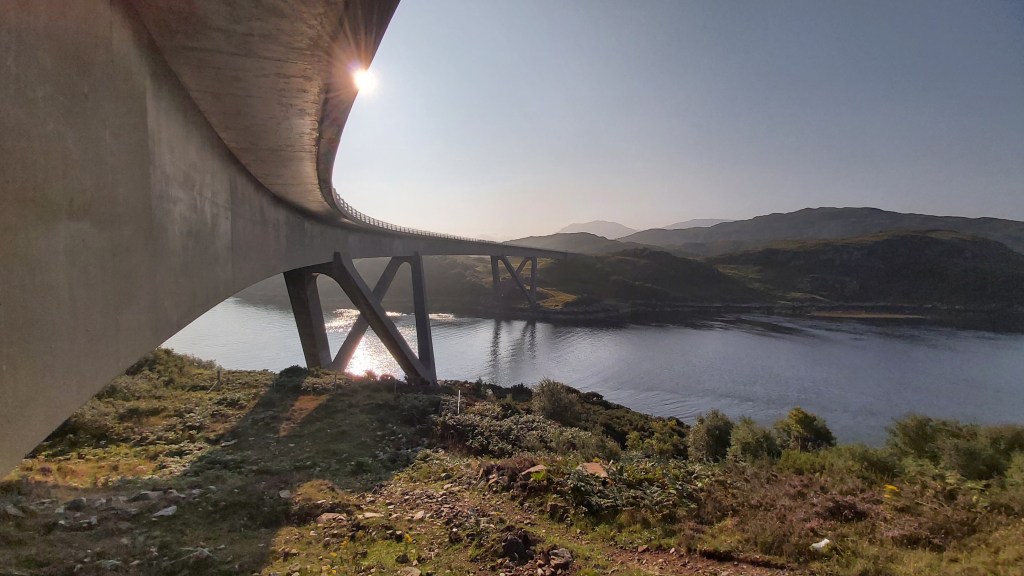
Stopped at Kylesku Bridge on the way as it was quite nice for a few minute leg stretch.  
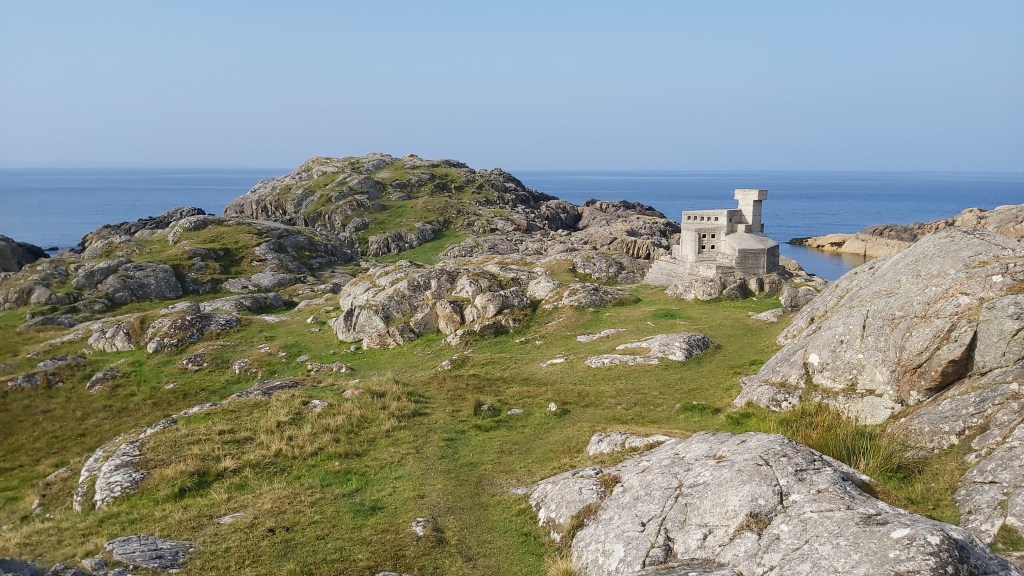
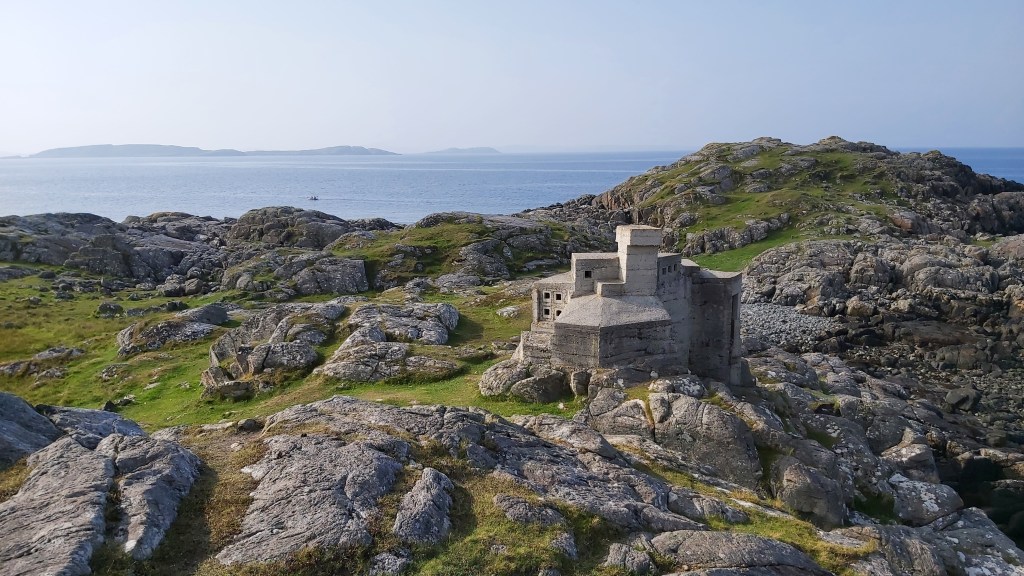
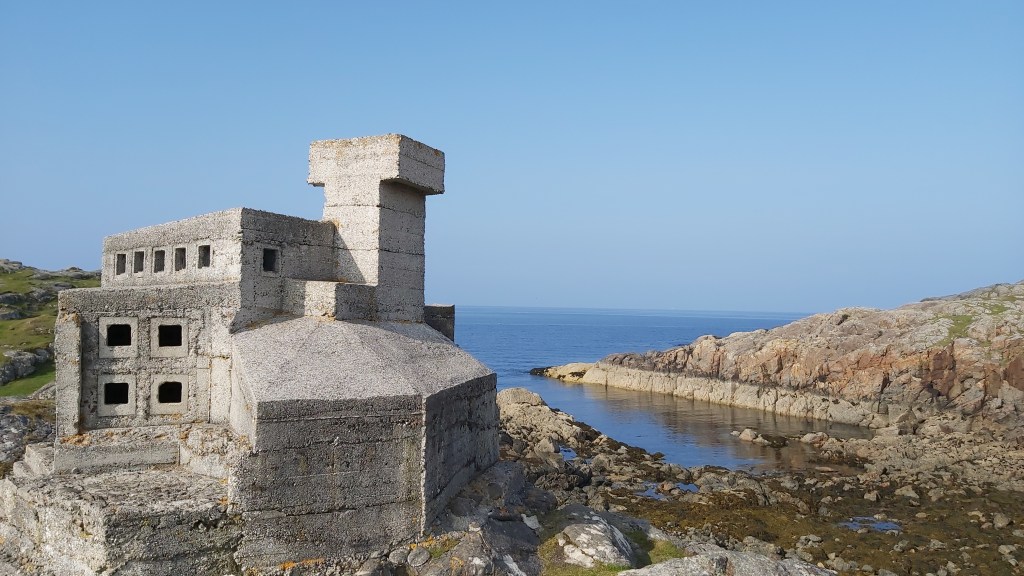
Before getting to camp I pulled off to explore Hermits castle, was a good place to stop as nice beach and sunshine. The castle was tucked away and not really sign posted or on any set path but really worth checking out. 
Road to beach car park was quite small so decided to make the most of the sunshine and have lunch on the beach. 

Took the shorter route to the campsite so was ok drive. 

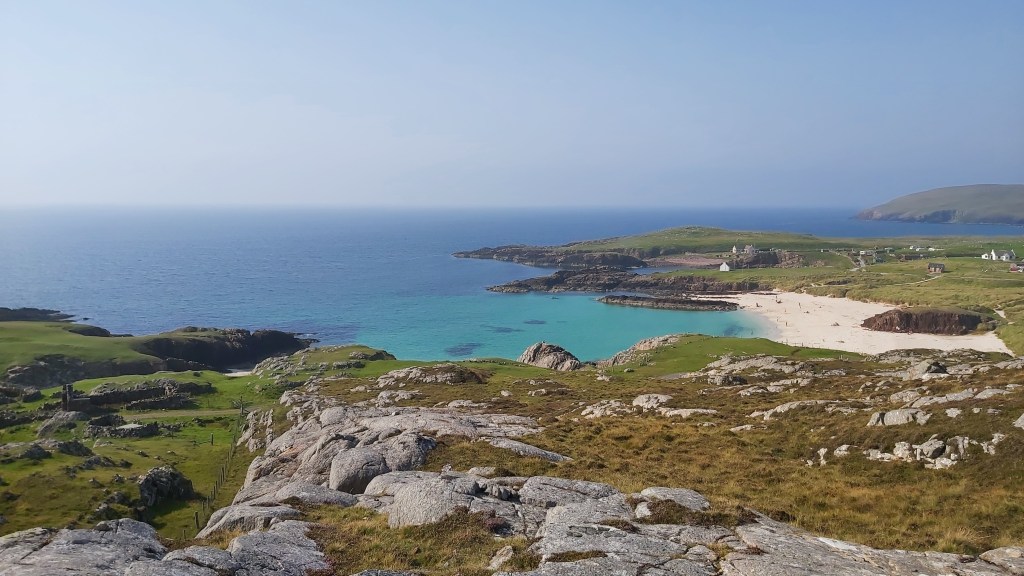
Campsite at Clachtoll is nice with a herb garden and plenty of space, each pitch is marked out. Evening fire pits were available and being quite large site was nice and quiet. 

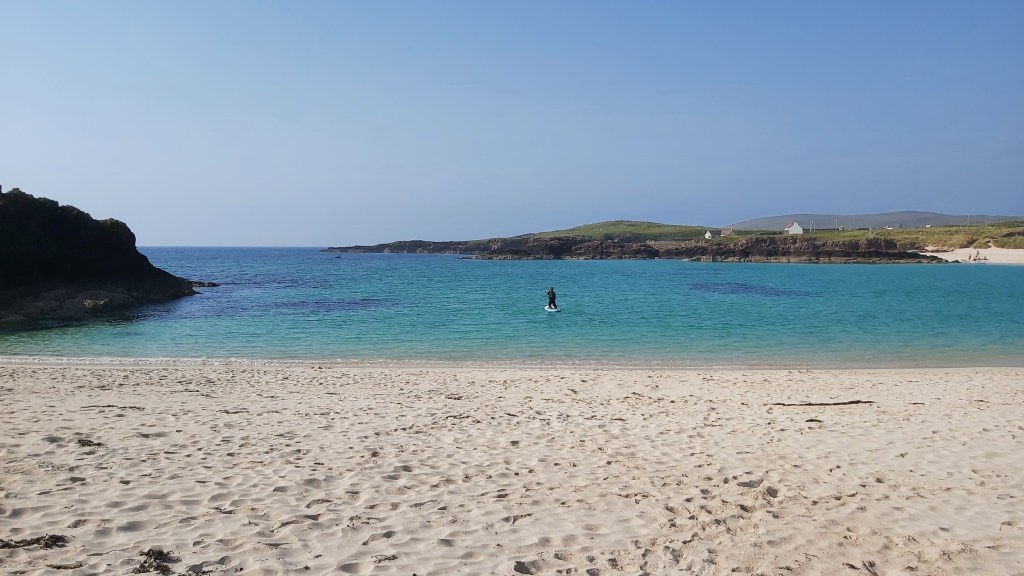
Nice beach just down from campsite with quite a few SUP’s, kayakers and swimmers. Had another walk round the beaches and mini peninsula with good views of the sea and coastline. 
Day 7. 

Drive to Little Loch Broom. 

Today I had found quite a few places I wanted to walk round on the route and luckily weather was good. 

First walk was around a tiny fishing pond I found, this was unplanned but had nice views. 

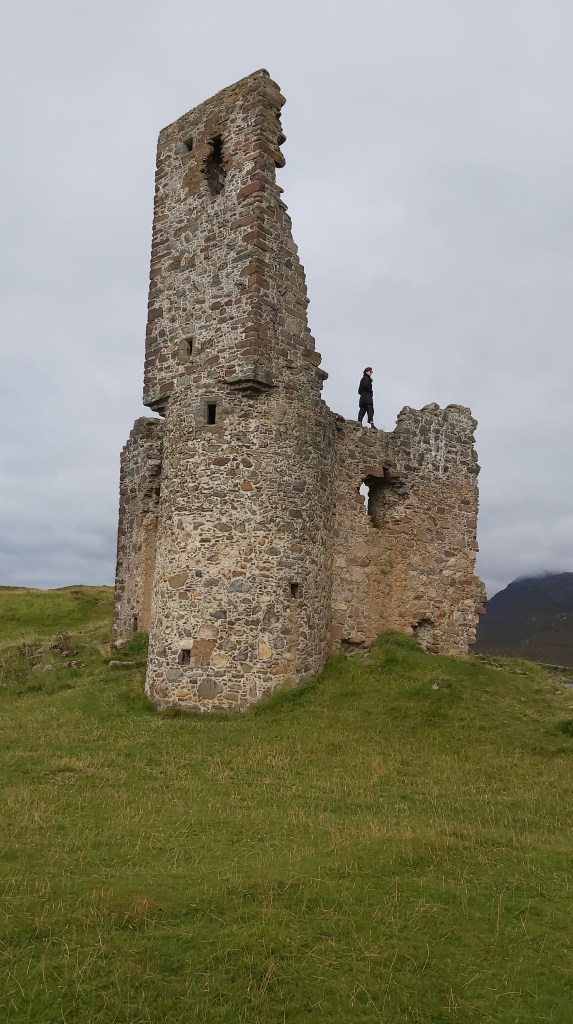
The first planned stop was to walk round Ardvreck Castle ruins and little waterfalls. This was quite busy but still worth the stop. (not sure these tourists understood the keep off the ancient monument sign) The castle was perch out on the edge of a Loch which made for some nice views. 
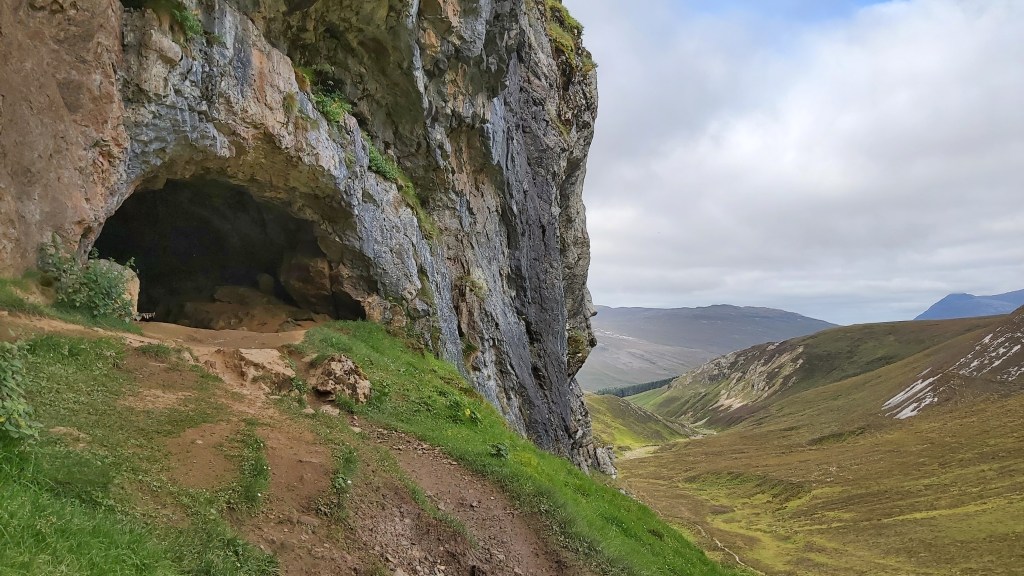
Continuing on my drive down the west coast I planned another stop which was highlighted on my map. A walk to Bones caves which was very nice loop walk with a spring filling a river part way, as there was no obvious source of the water it must have been underground but puzzled a few people. The actual caves were quite impressive on the side of a hill, there were 4 of them in total with the biggest enough to go in the cave and see the mountains across the valley, they were not deep but enough to shelter in if needed. 
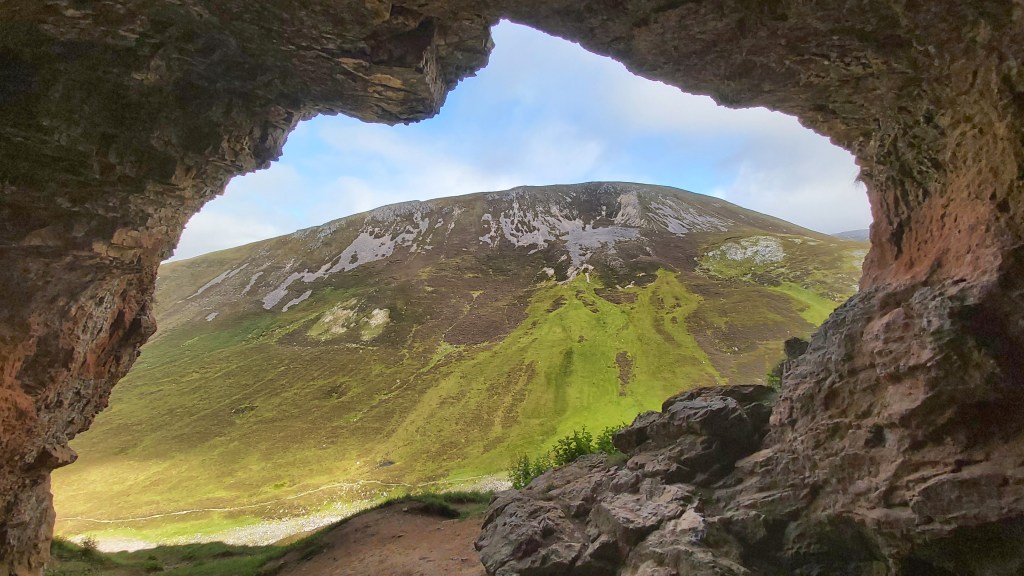
Quick stop in Ullapool for bread. Ullapool is apparently the place to stop for all caravans and campers it turns out as it was very very busy, which is why I did not stay here. 

The drive to campsite in Badallach is very remote, not quite on the NC500 route but looked close enough on the map. When driving there it was obvious it was off the beaten track even more than some of the places which looked small, there was nothing here but the bothy/campsite and the Loch little broom. There were only 5 people staying including myself, but the facilities were fine as an extension to the bothy provide things for campers. 

As it was a quiet evening went for a short walk to the Loch. 
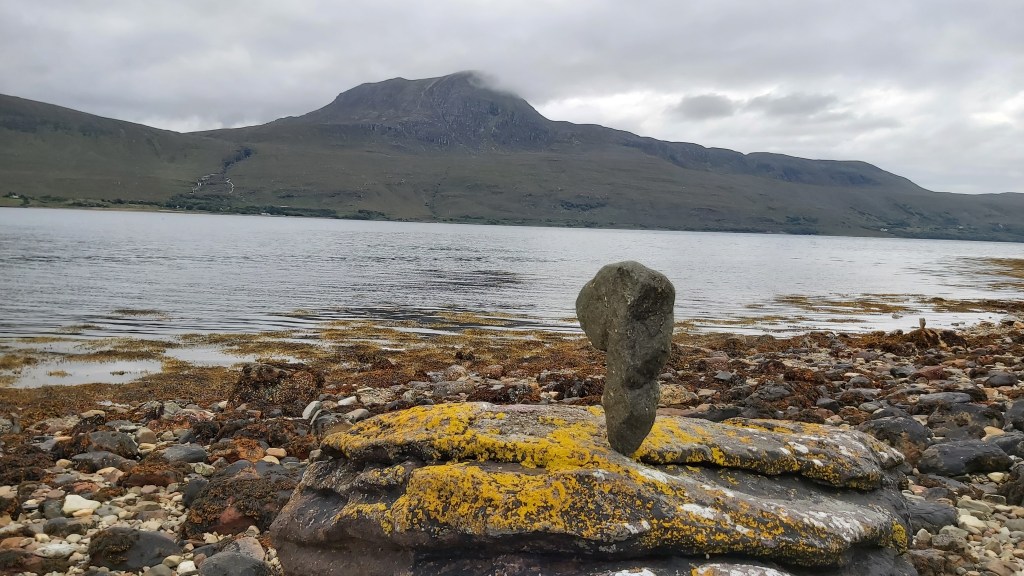
A few midges out in the evening so hiding in car or tent just reading a book and planning tomorrow. Up until this point I had not been bothered by any midges as there had been a bit of a breeze to keep them away. 

Day 8. 

Correction. – A lot of midges!! Packed tent v quickly in the morning so a lot of midges got trapped in the tent, ready for when I unpack ☹.

Long 6 mile drive down single track out from campsite avoiding sheep and pot holes, again fortunate that it was empty as less passing places on this stretch. Finally made it back to what now feels like a big road and the official NC500.

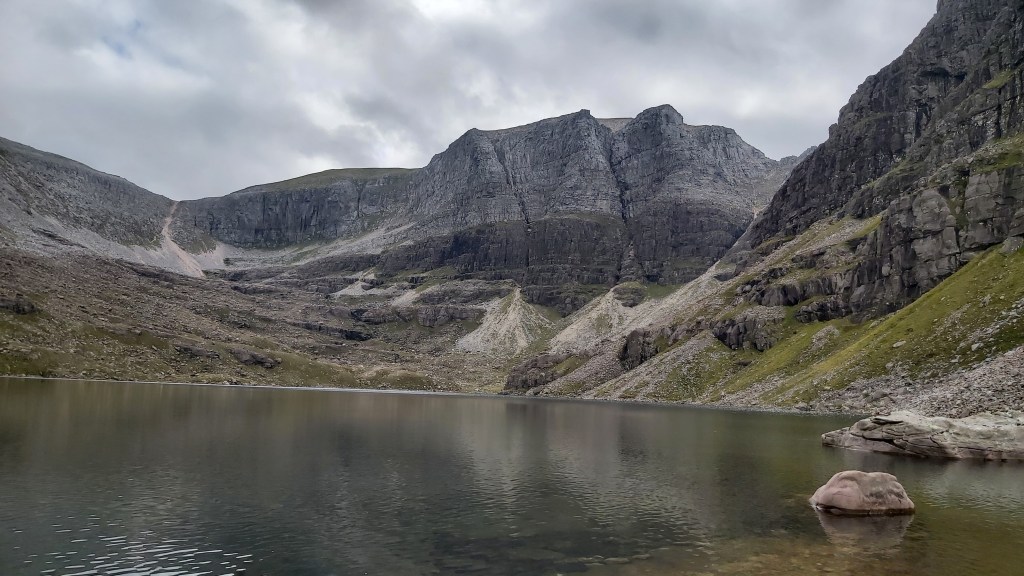
Drive round Loch Ewe to Torridon for a walk which had been suggested. Got distracted and went for a quick walk round Loch Clair first as it was on route. A bit further down the road came across a small car park with a large Stag in it, apparently he is the resident of the car park and does not mind sharing.
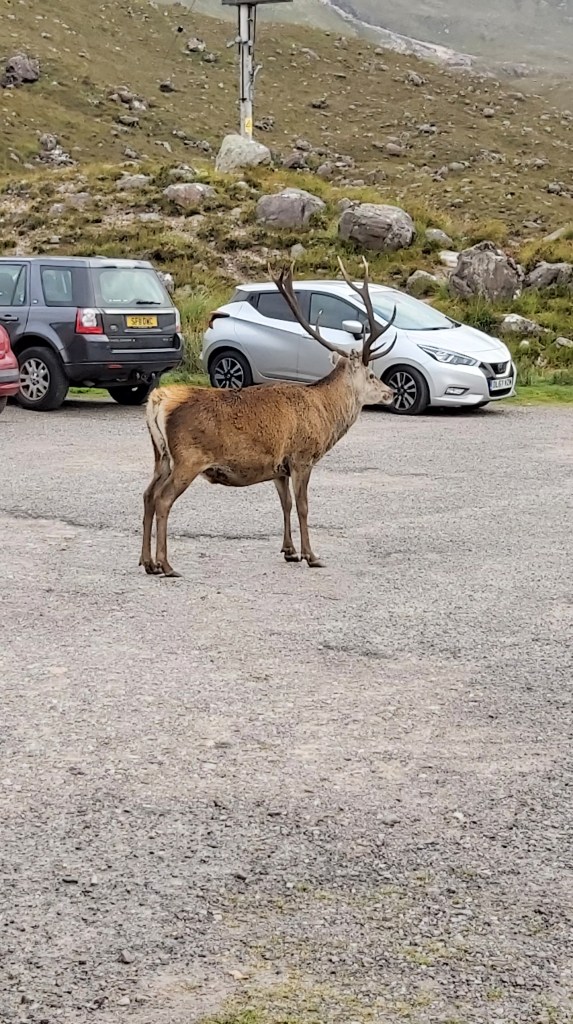
It also turns out this was the start of a planned walk, which went up a nice valley before heading up and round a mountain towards a waterfall, it had so many great views along the route as well as the top, it was a there and back walk. 
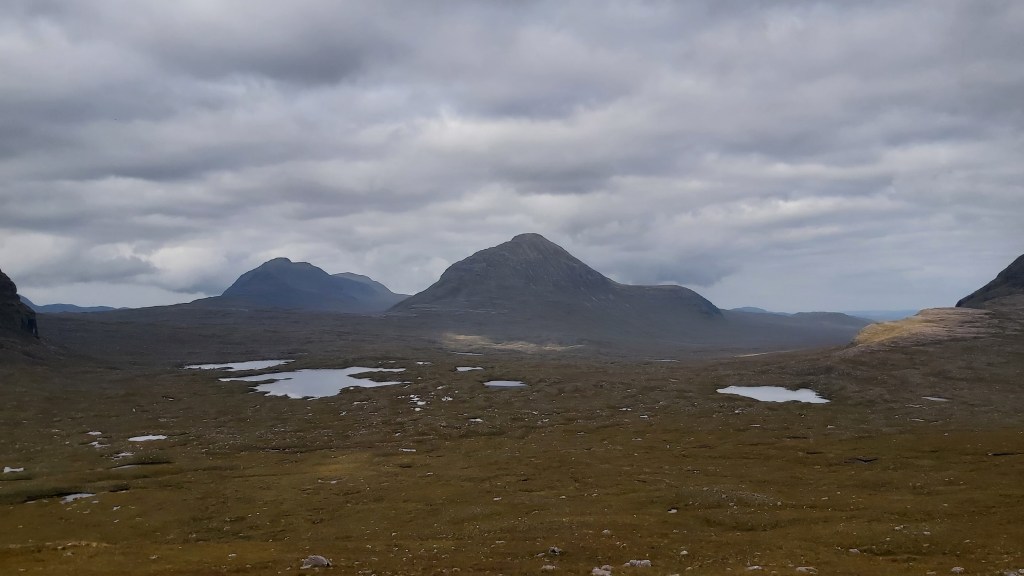
I then headed for the campsite which was on the sands and dunes a couple miles out from town. This campsite was quite large and spread out with people in tents, tepees and campervans tucked in between all the sand dunes. Facilities in this campsite were really good and obviously used to handling lots of people. When putting up the tent I had indeed trapped a large amount of midges which was quite unpleasant as they swarmed around my tent before finding new places to go. 

Throughout the trip I had been playing around with time lapses of the drive which resulted in filling up my memory card on my phone, oops. Had to do a bit of shuffling of albums to make any space for further pictures.  

Day 9

Drive to Applecross via Torridon. 

There were still a few walks along the Torridon road I wanted to do but also wanted to time the long drive to Applecross so there was less traffic. 

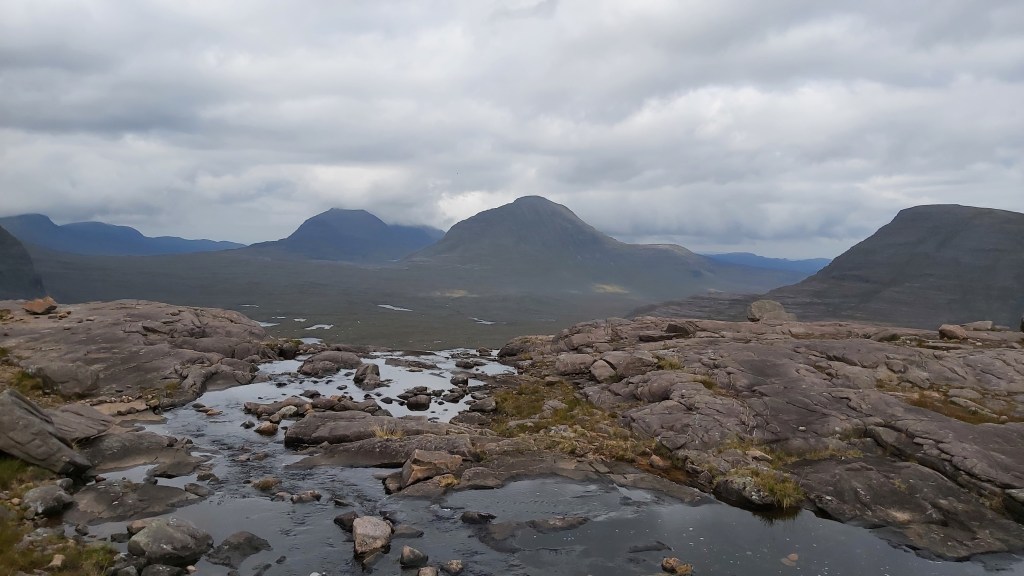
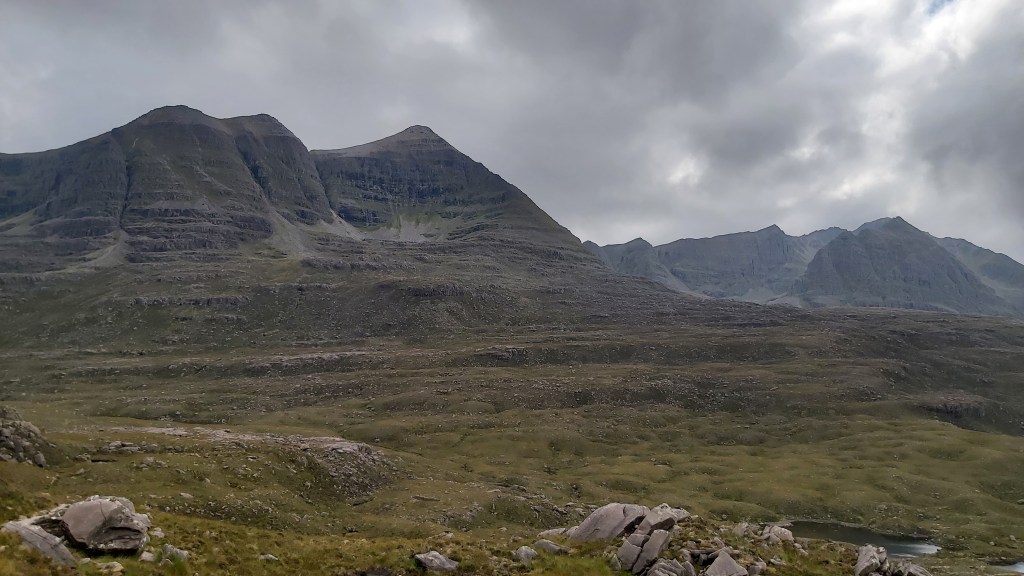
The drive along the Torridon road is up there in my book with the drive through Glen Coe, it has great scenery on each side a small winding road through the middle, the down side is the road is single track but you are in no rush to drive through this place. Also it means less of the scenery is covered in tarmac which is nice.  

So when I got to Torridon I went for a walk around a Deer park and shoreline of the Loch before a quick detour up the hillside to get a better view.

I then continued along the road, which kept getting smaller, into a forest for the start of a longer walk along more of the shoreline. This turned out to mainly be on roads, roads were very small, but some good views of the loch before wiggling through some tiny villages in the middle of nowhere with their own communal fruit and veg patches before back to the car. 
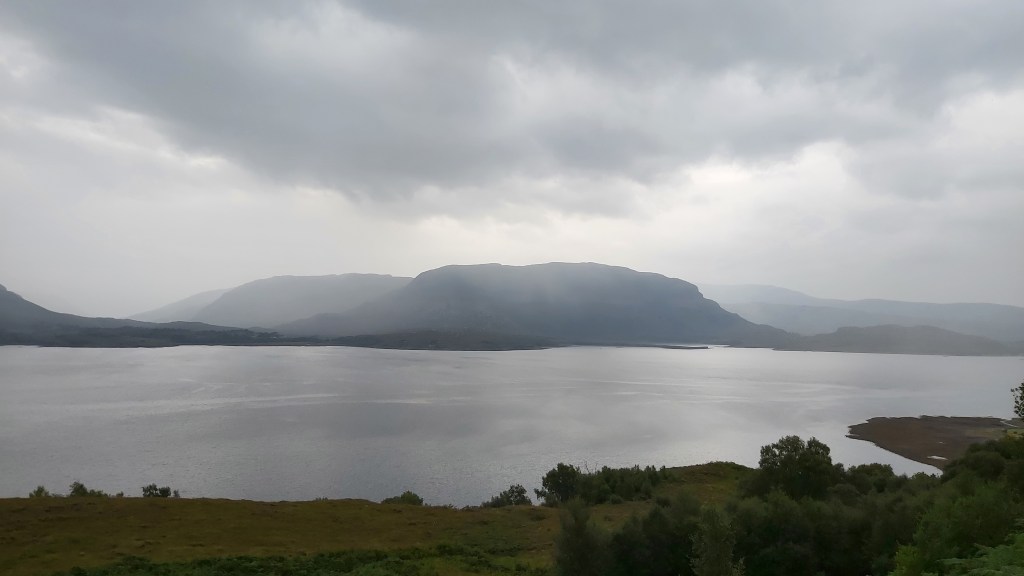
Then came the drive down the 20 mile single track wiggly road to Applecross. Saw some vintage cars on the road and looked like a planned meeting/rally as 2 big trucks of cars were loaded up with all sort of classics. By the a few miles in it had started to rain so drive was dull along the coast as need to focus on were the road was and less on the scenery. 

Arriving at the campsite had to pitch the tent in the rain but it did ease off enough that I ventured down the hill to the village and waterfront. Decided to splash out and buy my first meal of the trip and had fish and chips by the water’s edge. Watched a man swimming around in the harbour who got joined by a seal who was ducking underwater each time the man dove down to pick up rubbish. Also witnessed 3 big stags emerge from the trees to get fed by an old man in his garden before they vanished back into the countryside. 

Returned to campsite which had now filled up quite a bit to see a hearse converted into a camper, including awning on the side. Campsite was at the top of the hill but had enough trees around it to keep the wind off, so was quite a nice night.  

Day 10

Drive from Applecross to Skye. 

This was the last day of the official NC500 driving as heading to Skye but the route still had 1 last treat for me. The sunshine had come out and an early start meant I got to drive down Blah nac na bah on my own in the morning sunshine.
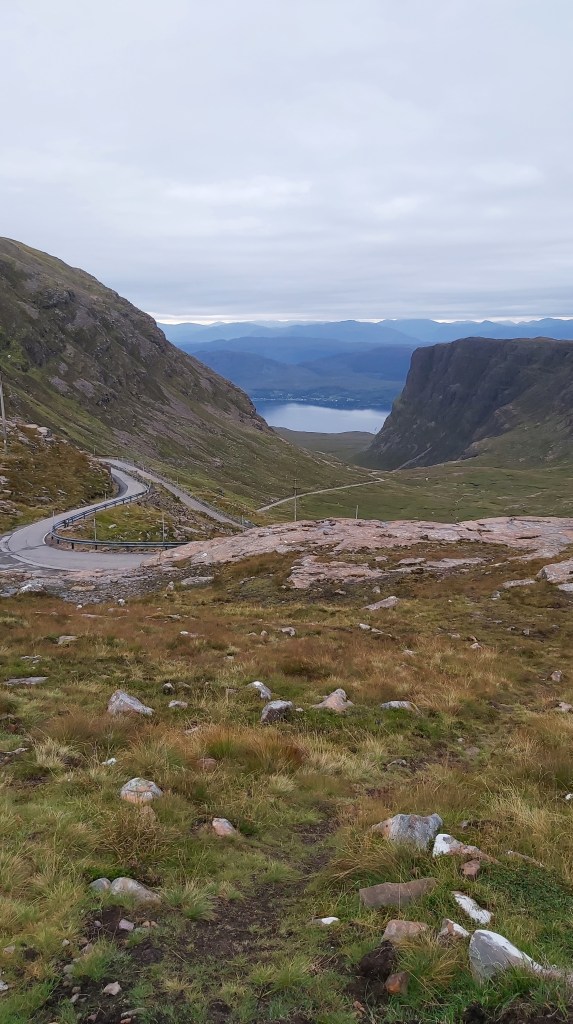
This is quite an infamous section of the NC500 as it is a switch back single track road down from the tops of Applecross to the Loch below. It was a really nice drive and quite pleased I drove down it rather than up the hairpin bends.

I then continued the drive over the bridge and into Skye. I carried on up the east coast of Skye to check out some views of the coast line, waterfalls and a walk. 
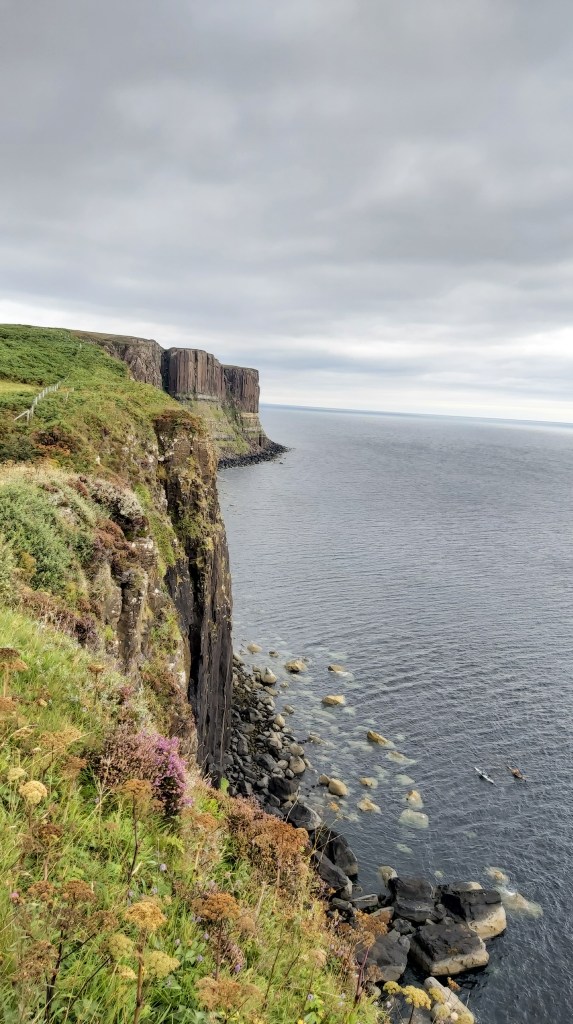
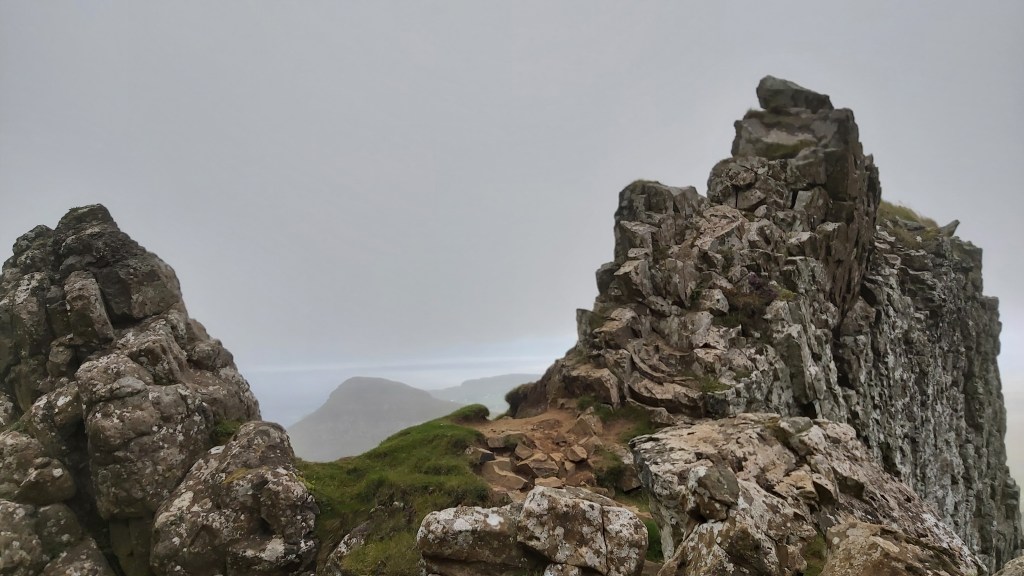
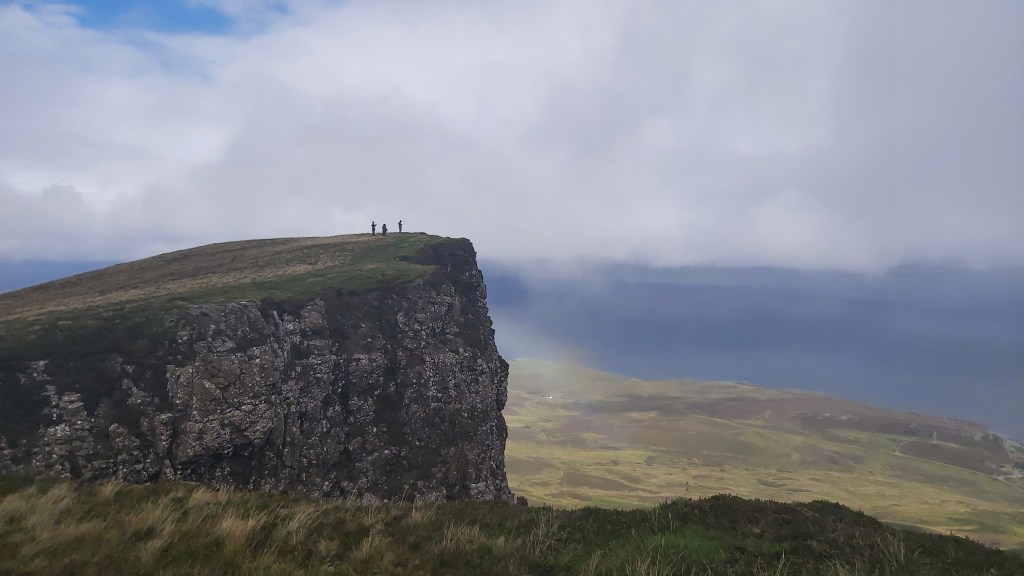
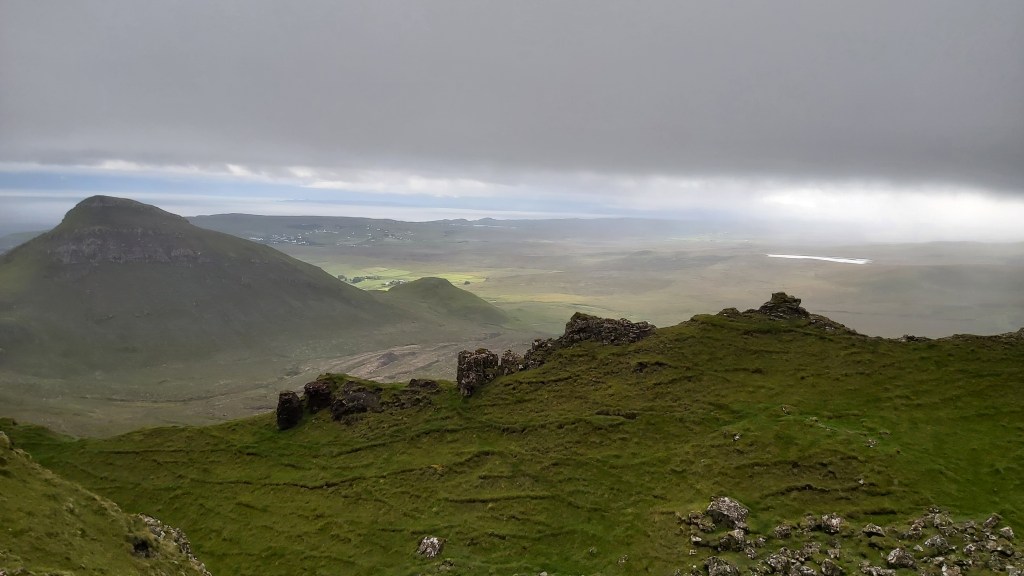
As the weather was ok and I still had time decided to go to Quiraing which started quite a way up a hill so views were already quite good. Setting off was nice but windy and some good views over the coast back towards mainland Scotland. Once at the top and the section of the walk to loop back over the mountain and back to the car the clouds had descended and visibility was reduced. At this point several people were debating if it was worth trying to find the track over the top or pick the safer known route back along the bottom. After a quick scout up the hill into the clouds I decided I could not see enough of the track and too many steep drops was not worth it, so turned back and headed back the way I came. (Also to note I only put 3 hours on the car park ticket for a 4 hour hike, so made rapid progress back) 
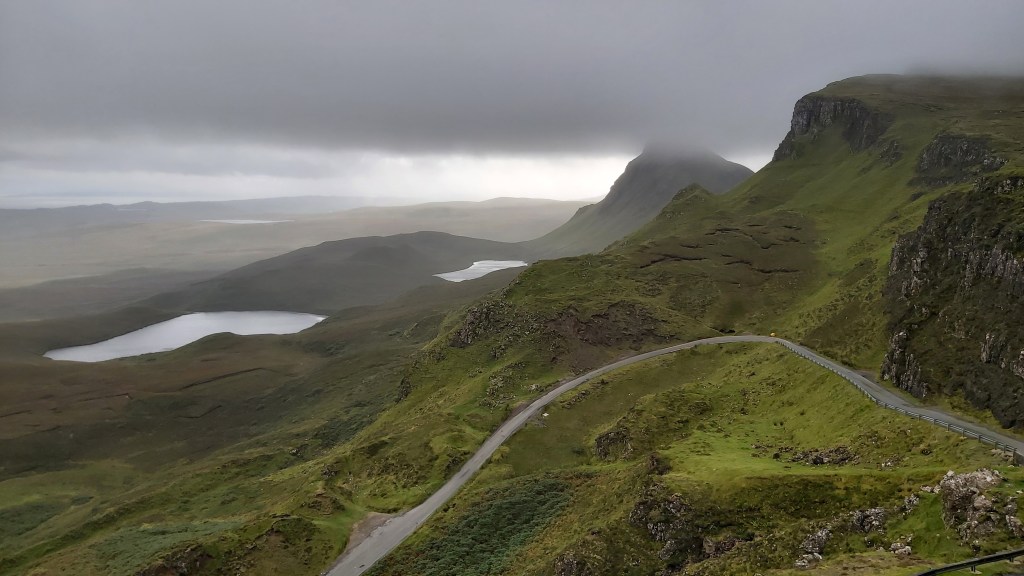
I did however treat myself to a Cheese toasty and cup of Tea at the end as I was quite wet.

Luckily this was the only time I had gotten really wet during the trip and I had a nice B&B to stay at. Yep I had booked a B&B for my stay on Isle of Skye, partly to allow myself some time to sort out my stuff and also lots of the campsites were full. But a hot shower and comfy bed were very welcome. 

A quick evening walk into Portree presented another surprise running into a work colleague, I had not seen in several years, purely by chance. Then a back to a comfy bed.  

Day 11.

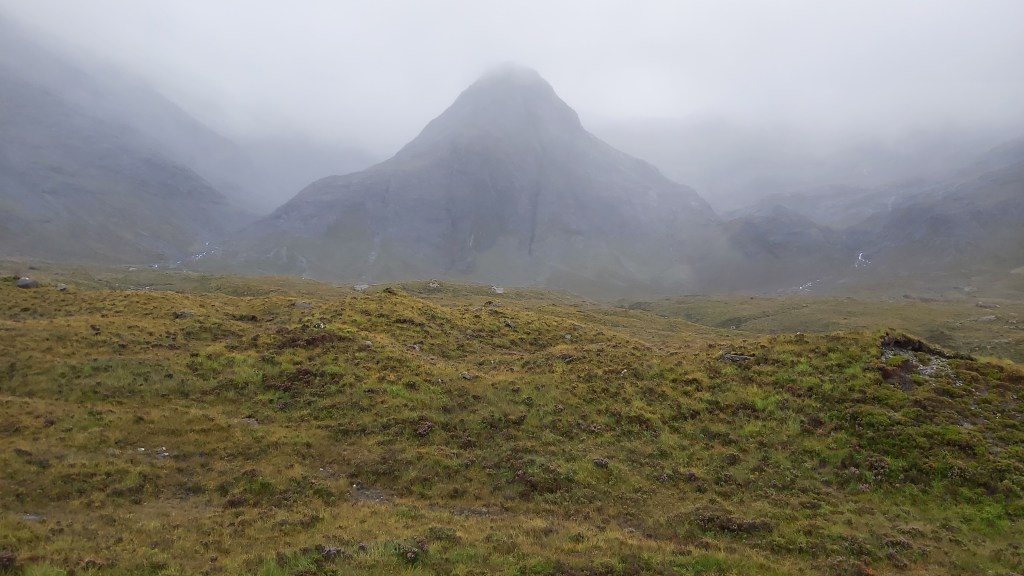
I had planned to try and explore the south of Skye today so headed down to fairy pools and Glenbrittle from some walks and waterfall spotting. As it was quite drizzly there were not too many people visiting the fairy pools but also meant there was not a great deal of views and was a bit too chilly to be hanging around. There was only 1 brave/mad person taking a dip in the pools when I left.
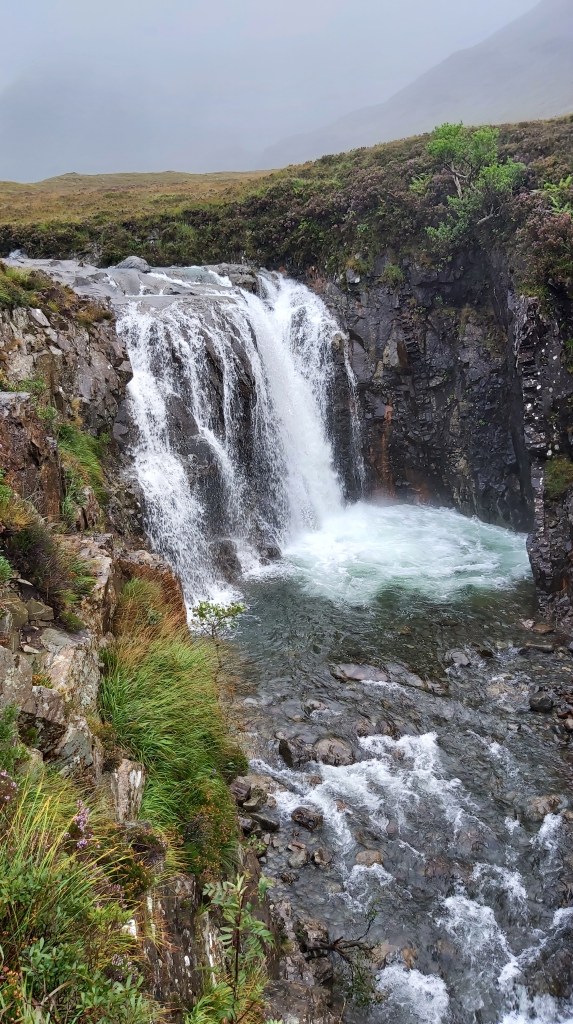
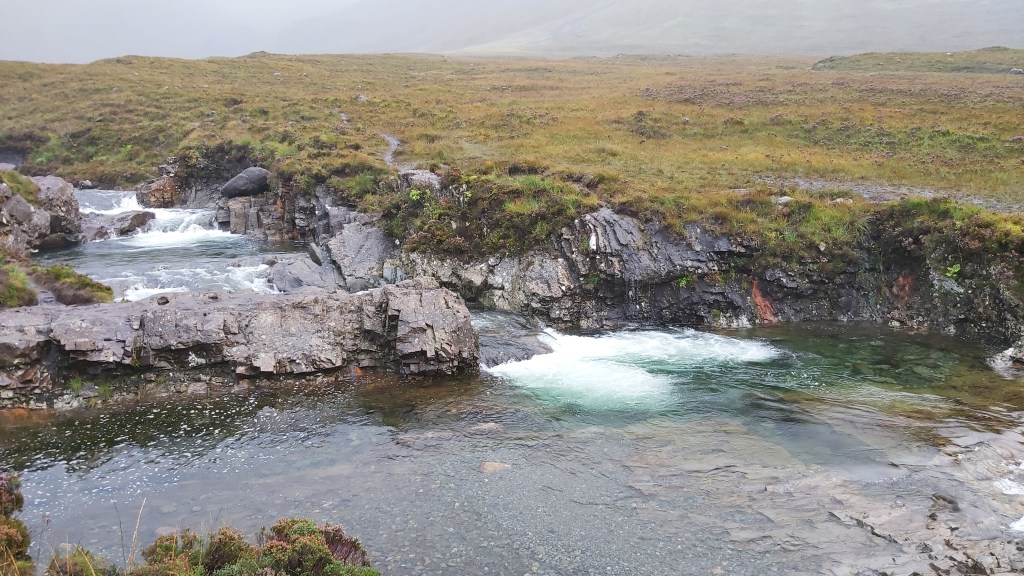
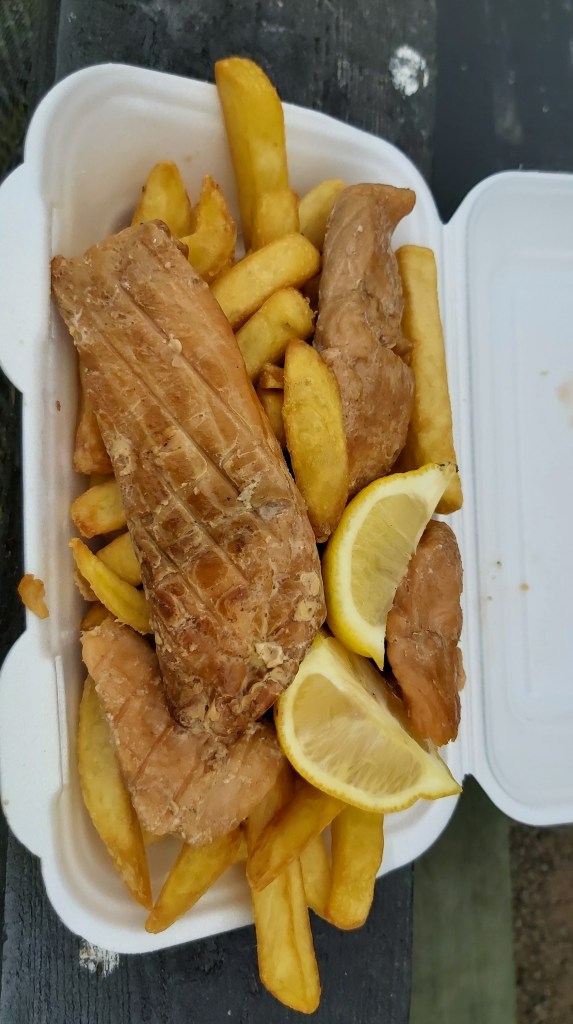
The low cloud/rain also meant no views of Cullins so settled for a plod around a forest walk. This was mainly on logging tracks but with the consistent rain and limited visibility was a bit of a trudge. I then stopped at the Oyster Shed, as it had been recommended, and was on the way back. Not liking raw oysters I went for some cold smoked salmon which was nice and very good portion of fish.
In general a bit of a soggy day. 

The end of the day was very nice however as the weather back in Portree was dry so walked round a local loop which included a bit of the town, a nice bay then up a steep hill and past some farms until back to the hotels. 
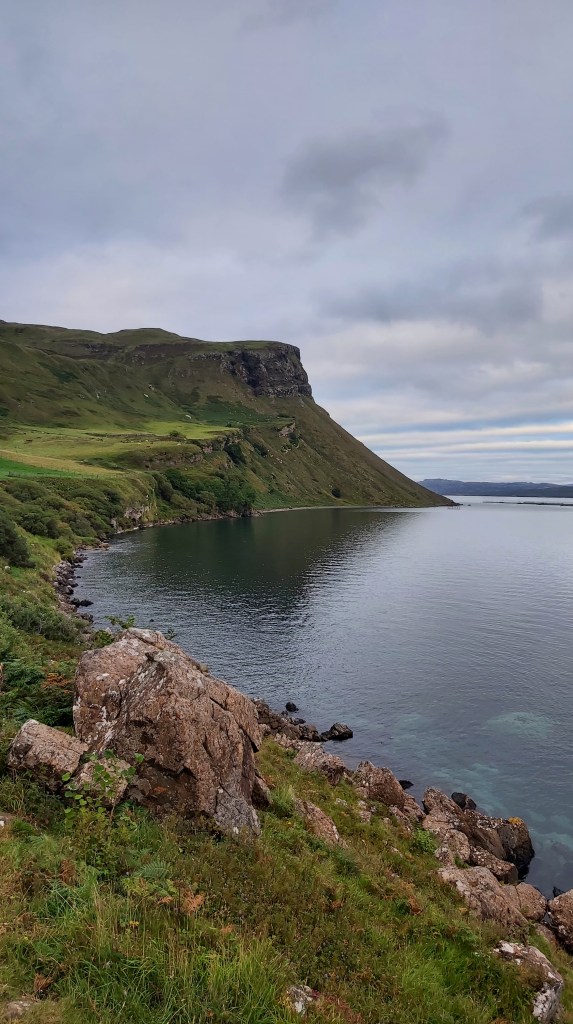
Portree

Day 12.

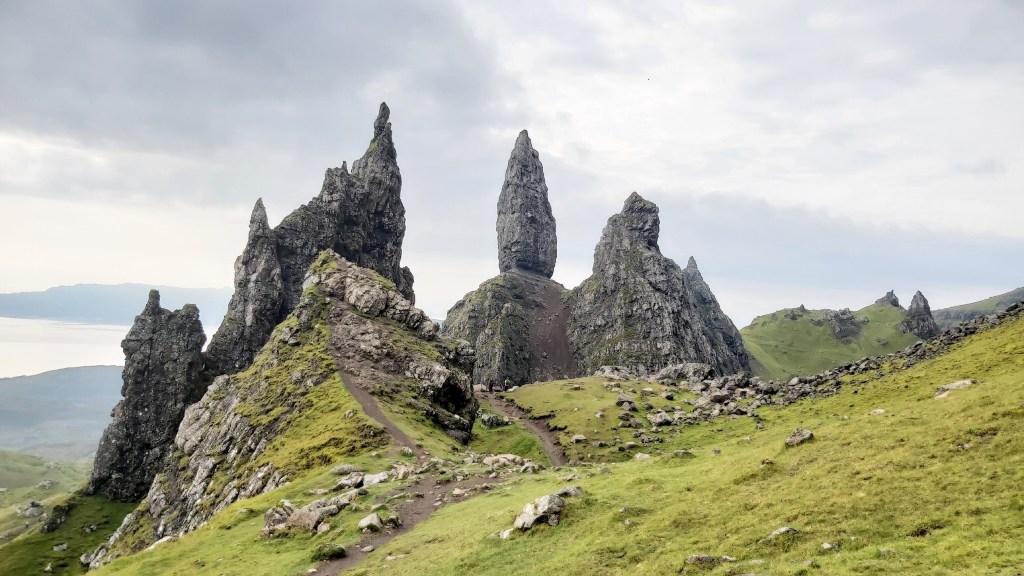
Today I was planning on heading west of the island as I had not been in that direction yet, however 2 minutes down the road I changed my mind as the sun was shining. Quick decision to head north and to go to Man of Storr as it was sunny and I might be able to see it. Boots had not fully dried out from the previous day but fresh socks meant it was ok. Great views of the Storr and surrounding hills, could see all the way across to mainland Scotland. I even got carried away and hiked up and round the ridge to look down on the Storr, which not many other people do but was a very nice view, similar to all the drone shots people were capturing.
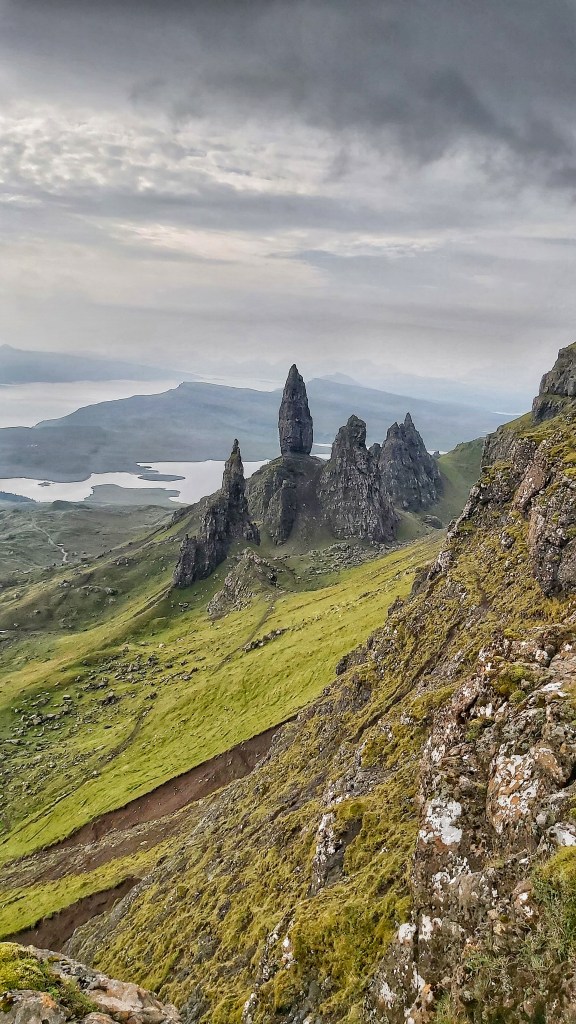
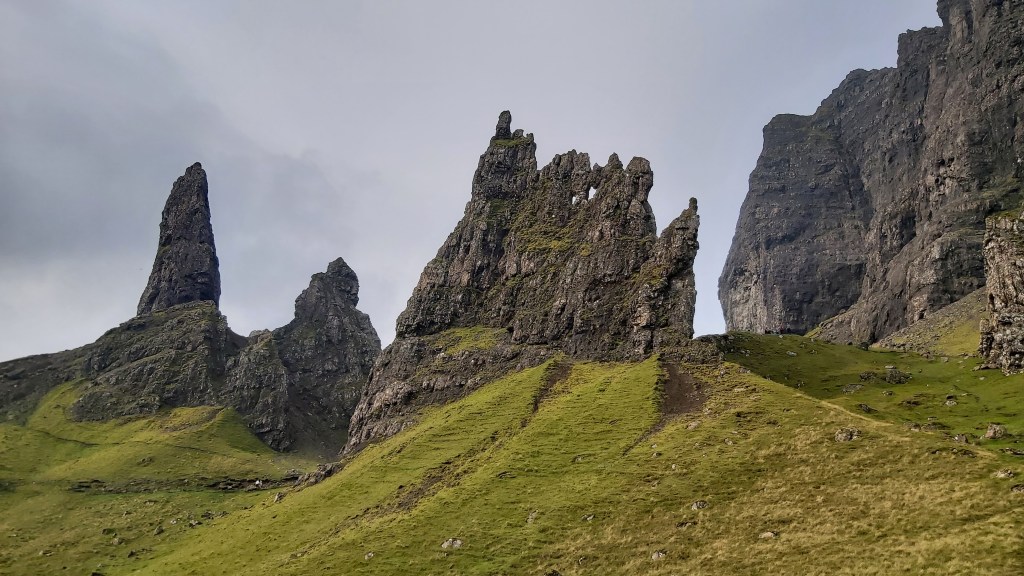
As the owner of the B&B told me there are 3 times to go – stupidly early if you are a photographer and want the sunrise shot, straight after breakfast for a nice view but not too many people, then the tourist time which is jam packed. I managed to leave before it got too busy.

Then went to original plan and drove west 

to see what was over there. It was nice enough, still a bit grey over the west compared to the east. Stopped for a vegan burger in Durvegan, seemed appropriate.  Had a little walk round an old church and the Lochs.
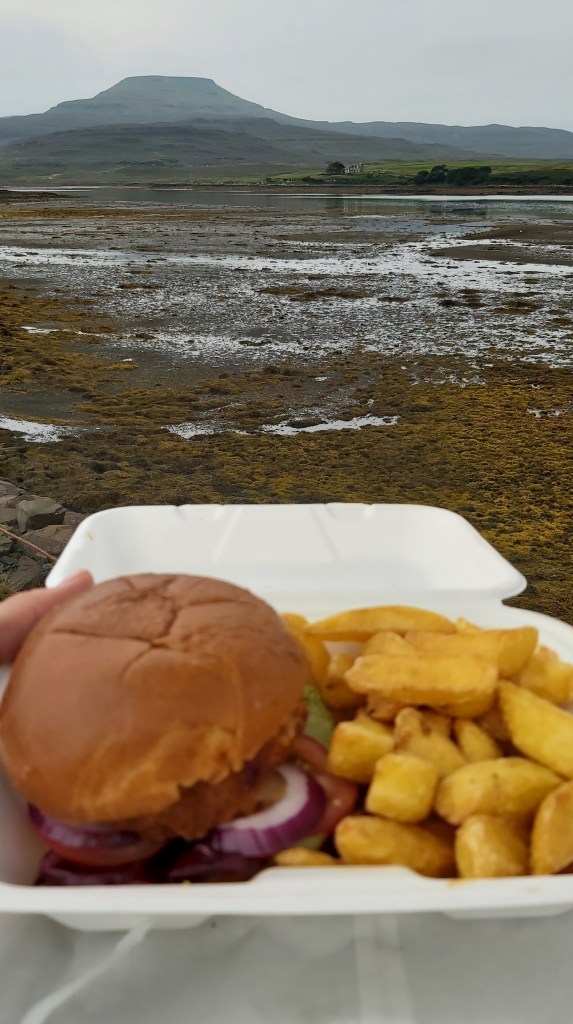
Back to B&B to sort stuff, pack the car for next 2 days and rest up. 

Day 13. 

Drive from Skye to Loch Lomond national park.

On the recommendation of someone else who had just been to Skye I got the ferry back to the mainland and was lucky to see Porpoises swim along the boat. These mini dolphins made the crossing very fun.
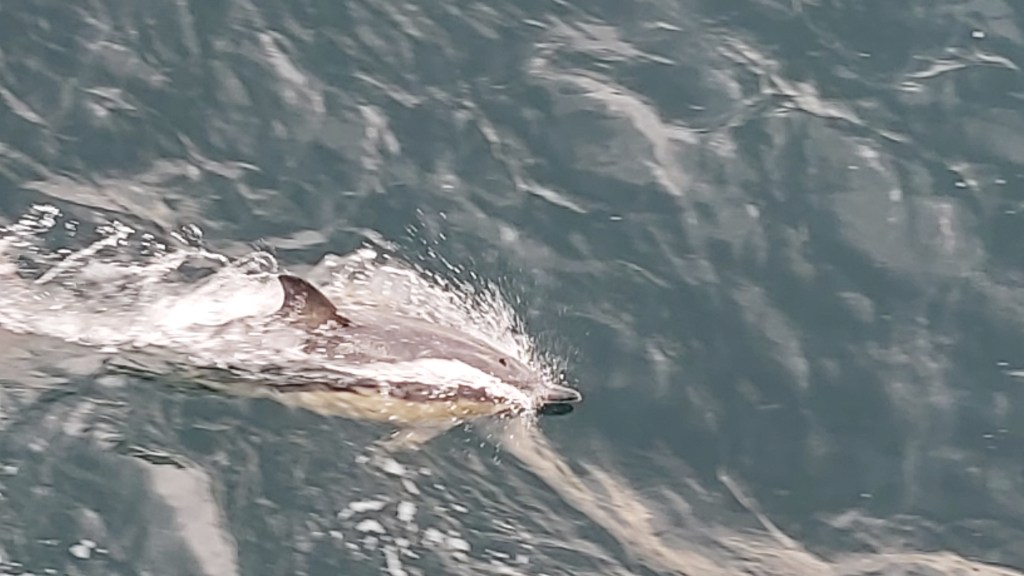
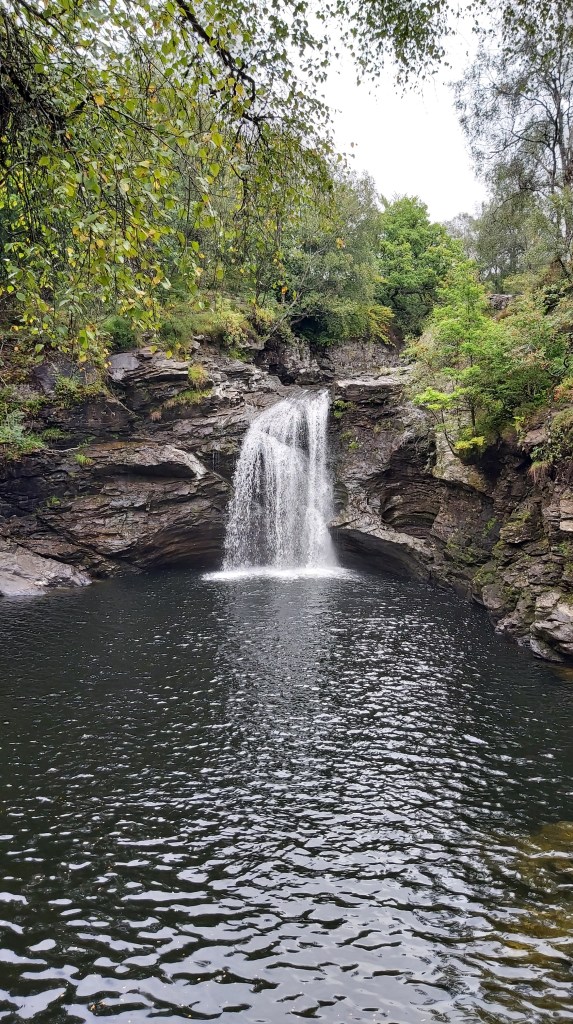
Once on mainland Scotland, all the roads felt wide again, I drove through Glen Coe which was wet so not the usual spectacular scenery. Stopped off at Falls of Falloch just because it was on route and a few people I know have kayaked off it, it did not look runnable when I saw it! 
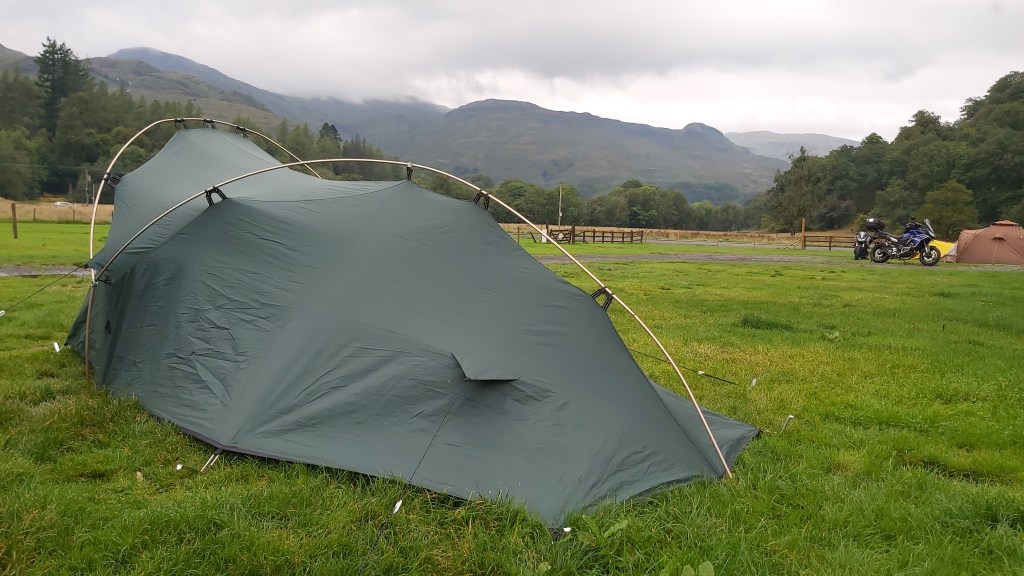
Found the camp site, which was part of the west highland way, which I did not know was a thing until then. Putting up the tent was quite a challenge as half the grass was a puddle or very wet and the other half seemed to have a layer of rock 1 inch under the ground, which made putting in pegs very tricky. 

The campsite was full of people part way through the hike and was interesting overhearing peoples experiences so far. 
I decided to go for a run along a bit of it, just to see what it was about. I then made use of the café to refuel on pasta and bread and then headed to bed.  

Day 14. 

I had planned on staying 2 nights here and hiking one of the hills in the area but decided to drive home as too wet to do anything and could not see anything higher than 2 meters due to cloud cover.

Long drive home about 7 hours as traffic was bad and then got stopped by the Tour of Britain bike race. 

Overall a fun trip round Scotland going places I would not have gone or even knew existed. Although it was a lot of driving on narrow roads I never felt it was an issue and was never in a rush to get anywhere. 

(As a side note the fortnight before this trip my car started having issues losing all power and acceleration, thought I had it sorted but it gave up about 6 times on the entire journey. Used the old “turn it off and on again” trick, the faster I turned it off the less issues I had, which was fine when no traffic. However it did had another level of anxiety to the trip if I would actually make it somewhere) 

In my opinion the west coast had a lot more picturesque places to see with more of my stops aimed at this area, yet they were less accessible so needed to be planned. The east coast still had some good views but was a bit more populated and did not feel it has the same appeal to stop and explore as the west did. 

Saw wildlife and went on walks for 2 weeks which was nice as the past 18 months I had mainly been stuck in a house avoiding Covid and people, so was nice to be outdoors. Equally camping was a nice reminder of how few things you need to have a comfy night sleep and escape into the wilderness. Got lucky on the weather as it was great the first 9 days when I was camping and only got wet at the later part of the trip when I was in a B&B so did not mind getting wet as I could get dry. 

Would recommend it to anyone who likes outdoor adventures, walking, countryside or Scotland. 

Stars are accommodation

Flags are places I visited
Paddling career.

One of the things most often asked by other kayakers or canoers is how long have you been paddling?

Simple enough question but it got me thinking, how long have I actually been paddling?

My earliest memories of any sort of structured kayaking was when I was 10 and I got lessons in a swimming pool after attending a give it a go session in the summer holidays.


However I have now also seen evidence of me in a canoe before this and have vague memories of going canoeing in the cubs and scouts and even in primary school, which pre dates my 10 year olds lessons. So I really don’t actually know how long I have been paddling any more.


I guess I also base it on when did I start paddling with some confidence or structure which I always date to when I got my 1 star at aged 10. However I soon outgrew the swimming pool and wanted to do more. I only then picked it back up again when I was about 13 or 14 years old. I managed to find an organisation which would let me paddle twice a week and most weekends during the summer on a nice stretch of flat river. Learning all the basics and getting my 2 star quite quickly I was soon showing up the coaches with high braces and rolls. I would also take part in some flat water racing competitions throughout the next few years.


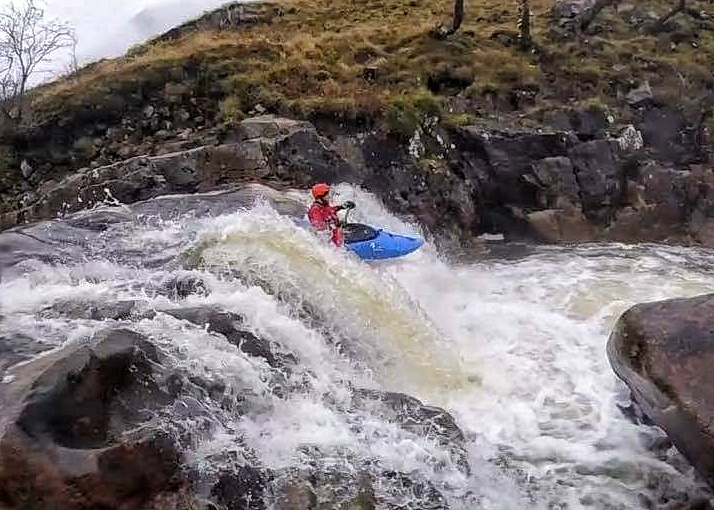
I then got introduced to white water and remember my first encounters. The first white water I ran was high force to low force on the Tees, getting in after high force I might add. Running some drops and learning the basics of paddling in moving water was essential to keep dry. I think the advice I got was point the boat downstream and if it is not facing downstream then you should lean downstream, now follow me. From then on that was pretty much my paddling style I did not have much guidance on what to do or how to do things it was mainly just follow the person in front and see what happens. Every few weekends when it was raining we would head out to a random spot near some rivers talk to other paddlers and figure out where to go. I have very little knowledge on which rivers or sections I have paddled generally just being driven around until we see a river with enough water to float a boat in and someone has either done it before or parks the car somewhere near where we should get out.

Before I knew what different boats were for


The next step in paddling involved going to University and trying out canoe polo, a discipline I had never even heard of let alone seen but here I was going to give it a go. It is a very fast paced and technical game involving a lot of hand eye coordination and spatial awareness. It is also a very good sport to practice your rolling skills as pushing people in is an allowable move. My hand rolling technique became quite good at that time, as did my sprint and turning abilities. It turned out my introduction to this sport was at quite a high level as some of the people I was training with were either current or ex GB players. This did push a very steep learning curve in the game after getting over the initial shock of what was going on.


My next stage of kayaking occurred when I joined another club and for the first time had some structured pointers on what to do on moving water. I learnt about edge of the boat and what they could be used for. It was also my first introduction to canoe slalom, or more correctly kayak slalom. Although I was aware of this discipline it was not something I had actually seen as it was not available anywhere mainstream to see. So entering my first competition, in a borrowed plastic boat up against the carbon fibre, I thought it best to ask someone what I had to do and what all these coloured poles meant. After my first run down I was in first place and all credit has to go to the years of polo training as it mainly involved tight turns and fast sprints. Before the second run I actually decided to plan my route down the course. This is where a combination of running rivers and knowing what the water would do, with some tight turns learnt in polo meant I could plan a better route. I focused on how I should exit the gate to line me up for the next one and also what stroke and on what side I should be paddling on going through the gate to avoid hitting it. Well I managed to but all the pieces together to not only win my first slalom competition but also get promoted, which meant when I came back the next day I would be competing in the next level up. Which I also won.


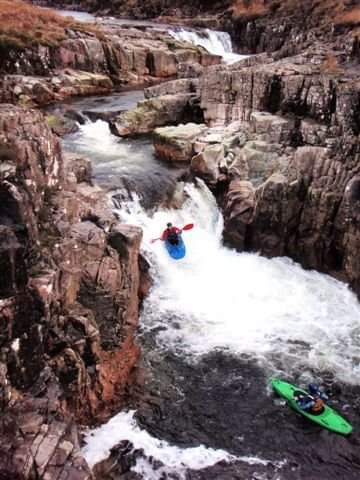
I then had a few years back to flat water training and odd white water weekends. It was not until I moved to the flat lands of Norfolk that I did the most consistent period of white water kayaking. Travelling to Wales, Scotland, French Alps and Slovenia to pursue some white water. Also getting to watch and paddle with more experienced people has allowed me to build up a new skill level and further understanding of what the connection between boat, water, paddler and paddle is. Heading to Wales most months allowed for some higher level paddling, yet it was not until about 5 years of going to Wales that I actually paddled another river other than the mighty T.


One highlight of being based down south is being able to paddle at Lee Valley, the man made kayak course for the 2012 Olympics. This is a higher class of white water all concentrated into one short section of powerful water. My best claim on this course is passing both the Legacy course and Olympic course first time in a playboat! A very unsuitable boat to try such a thing in but it was the only thing which would fit in the car at the time. I can also claim I have never swam on the Olympic course, I have however swam on the smaller Legacy course but that is because I usually try more things on it and go there when I am tired.


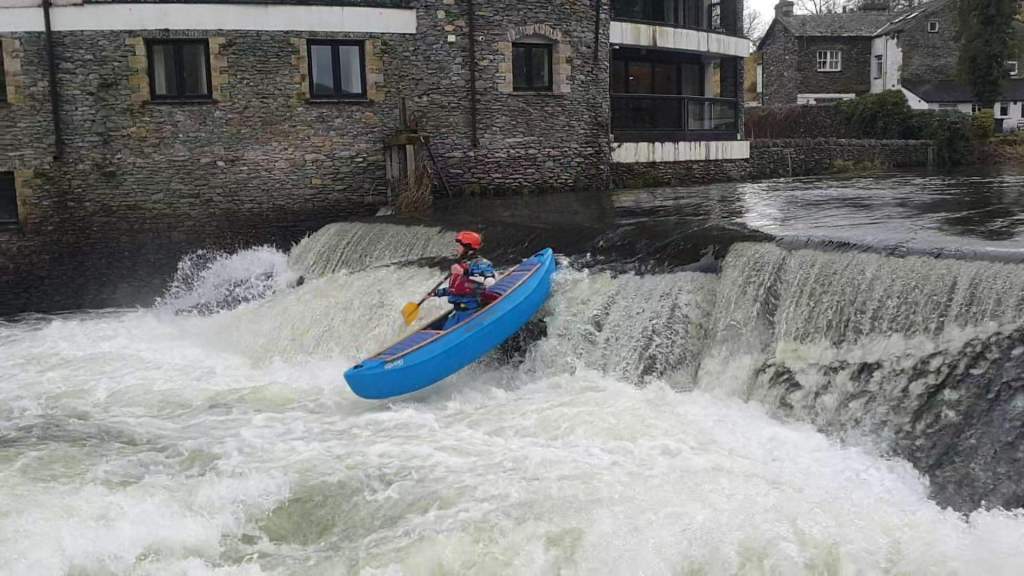
I have then recently started OC1, which is a cross between white water kayaking and canoeing. The big reason why I never got on with canoeing previously was because it was too painful for my legs to kneel down however an OC1 has a nice foam saddle to sit on. I also found out they are made very very locally and that I can roll one, so that always helps with confidence. This was also the first time I intentionally booked some training early on to make sure I figured out what to do with this new craft. However my first instruction when faced with a rapid by the coach was “How would you paddle it in a kayak? Well do that.” Well I am still learning how to control the OC1 and also how to get comfortable but it resets all the rivers I felt comfortable on in a kayak so has given me a new challenge in a similar sport I have been doing for years.


Other notable mentions of fun paddling adventures include a bit of sea kayaking round Menorca in the sunshine and also sea kayaking off the west coast of Scotland with seals.

There is still a lot to learn and many rivers unexplored so hoping to continue on for a bit longer.

Nine years in Norfolk


I came here with grand plans of exploring a new part of the UK – being close enough to London to pop in for the day was now an option. Even a stepping stone away from France or many of the large airports where I could jet off to a European country for the weekend. Well let’s see what I actually did, or at least what I remember…


But first lets back track a bit – why did I come here? Simple, a job opportunity presented itself at a time when I needed a change. So managed to move here in a weekend – finding a house, starting my job and getting all the essentials moved here in the space of about 72 hours. I also remember being told it rains less in Norfolk however on the year I moved in there was a hose pipe ban alongside 7 flood warnings, so not sure what to think. It also hit a chilly -15°c for about 2 weeks straight, this was when I was renting a house with less than adequate heating.


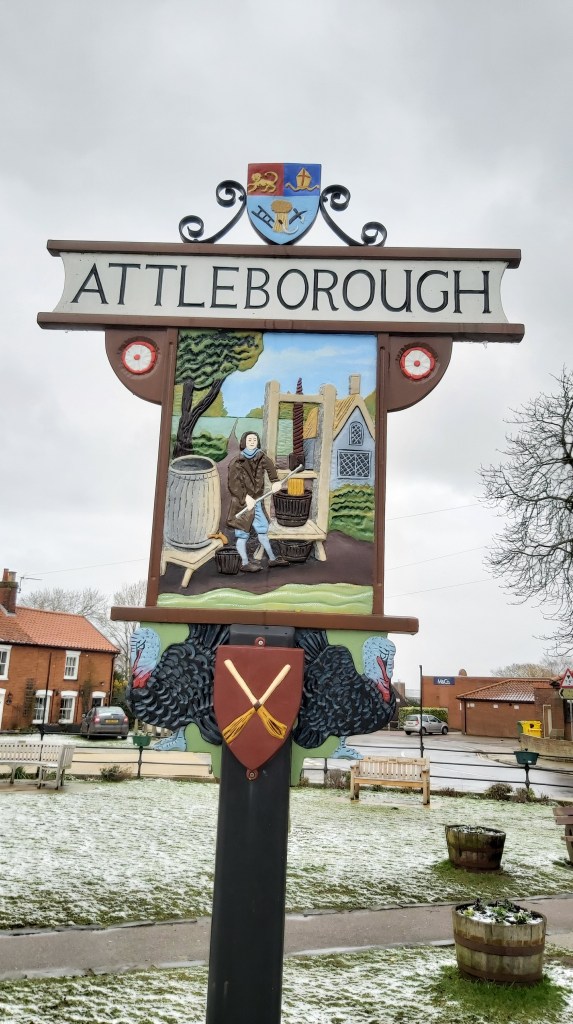
I then spent several months exploring this new location usually by bike, as Norfolk is flat, it was easy to ride around and try and get my bearings. However I did soon realised that when cycling in Norfolk you must constantly cycle as there is no nice gradient to freewheel down and give your legs a rest. So each weekend I would head off in a different direction to see what was there, occasionally getting lost and sometimes stumbling across something exciting. I soon realised that Norfolk has more back roads than main roads and sometimes the smallest of villages are signposted to, but not the major ones or the way home are missed. There is also a great pride in having a village or town sign with the name on usually decorated with the history of the place or depicting a scene of the work that used to occur.

Cider making and Turkeys

I soon realised that navigating by churches was also a bad idea as there are approx. 650 of them in Norfolk and lot of them built in a very similar fashion out of the same materials and occasionally in very strange location near nothing else. Turns out that a lot of the churches were built to show off wealth and not actually used but also some where built to allow field workers the ability to go to church without having to go back to the town or village.


As previously mentioned Norfolk is flat, which is great for running and cycling as very few hills to slow you down. However I like hills, the view for the top, the sense of achievement going up them and looking down on where you started. Also hills produce much more interesting rivers as they flow down them. Now Norfolk is renowned for the Broads and various other rivers so you would have thought as a paddler this is an ideal spot and it is nice to explore a lot of Norfolk by kayak. Floating round places not many others see, coming across large stately homes in the middle of nowhere or reed bushes filled with wild life, or even the odd sunken Wherry. Yes paddling round bits of Norfolk has been fun over the years, but again I am quite lazy and realised as soon as you stop paddling you drift to a stop, also if the reeds are too big there is very little actual view other than storks. There is however 1 trip which I have failed to do whilst in Norfolk and that is to circumnavigate Norwich, although several trips have been planned and achieved by others I always seemed to be elsewhere when they occurred or got postponed due to bad weather.

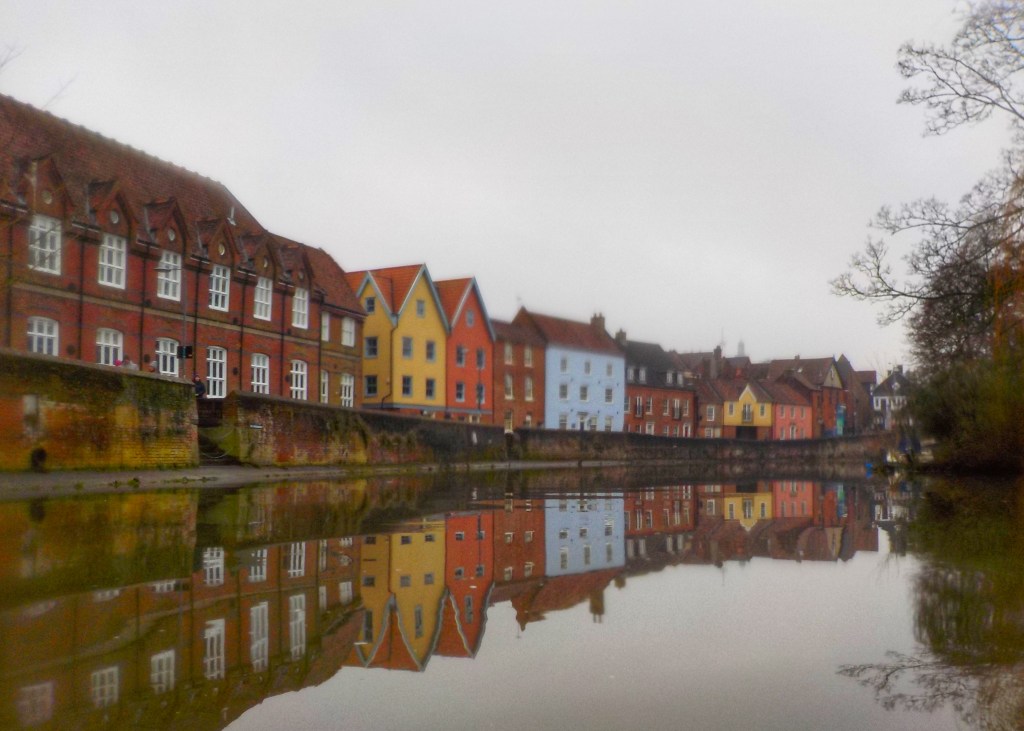
Paddling through Norwich


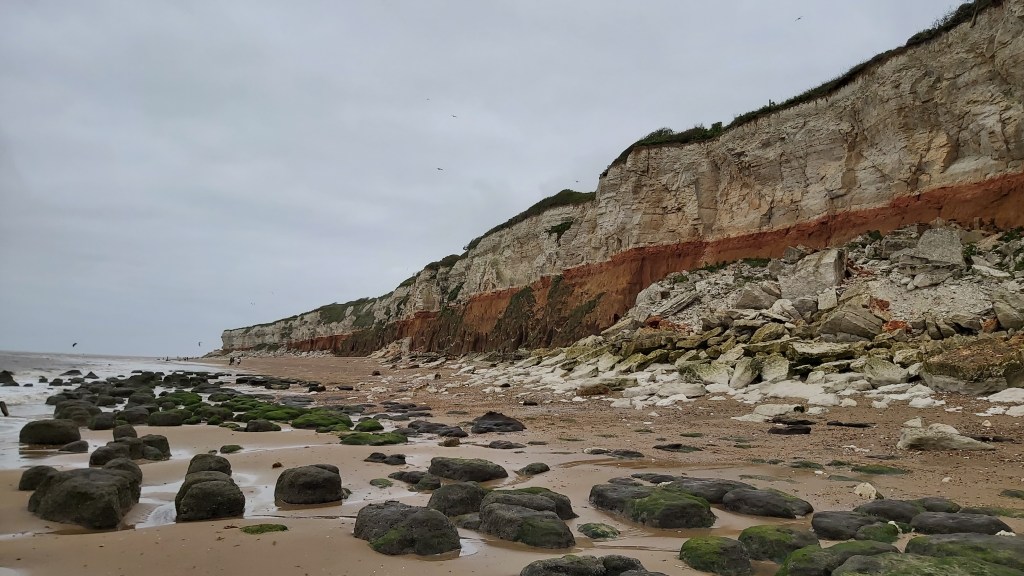
Being at the bottom edge of the UK, Norfolk has a lot of Coast line, approx. 90 miles of coast. There is a great range of coast from big sandy beaches to pebbly beaches and ones with crumbling cliffs. It is also the place where I have seen the greatest number of seals – as each year thousands of seals descend on a few of the beaches to give birth each year and is quite a sight. The beach often gets so crowded with seal it is very tricky to tell the rocks and seals apart. As a cautionary note it is never a good idea to actually go on the beach during this time as it disturbs the seals but they can be appreciated from affair.
One fun experience I had which allowed me to view a large portion of coast line was cycling the organised Norwich 100. Which as the name suggests is a 100 mile bike ride and takes in a large portion of the north Norfolk and each coast.

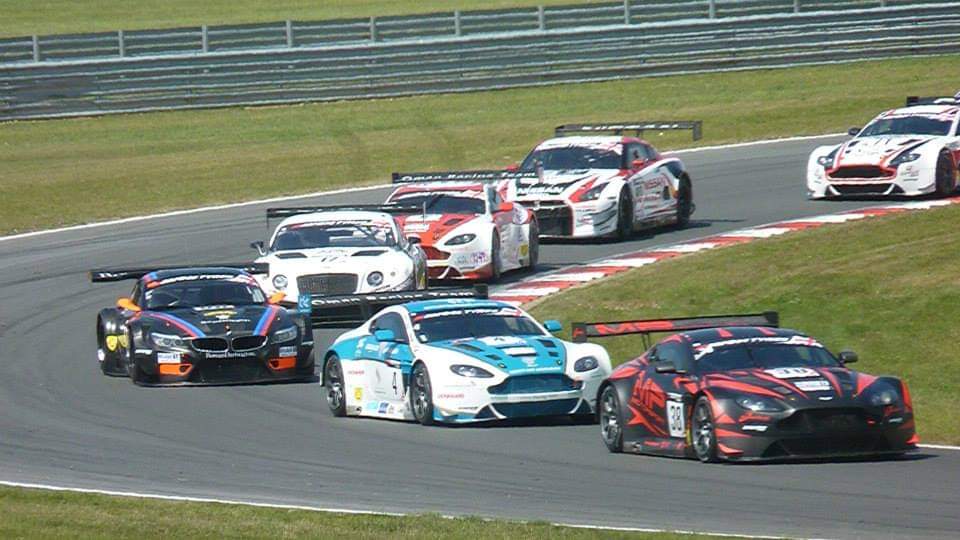
Snetterton race track is also situated in Norfolk and hosts some quite big name races including UK Super bikes, British Touring Car championship and the UK Truck racing along with many other club races. I have been to several races there over the years and although never really followed any type of motorsports it is a nice day out with many grassy mounds to sit on and watch the entertainment, also is quite a simple format to understand – first over the line gets a shiny cup. I enjoyed it because of the range of different races and teams which turned up from the fully sponsored teams down to father and son hand built machines. Getting to walk around and see them all up close in the pits and car parks made it more fun than just watching them speed round the track.

Saw Sir Chris Hoy at the GT3 race

Although I rarely made it into London from Norfolk, I recall only 2 actual trips into London. One for a day trip and the other to watch the Para Olympics in 2012. It is close enough to frequent the Olympic built canoe and kayak slalom course which was built on the outskirts of London. This I did many times, as it allowed me to enjoy great white water in a convenient location and facilities. Along with paddling alongside some of the top level kayaks in the UK, it was a fun course which challenged me to improve my kayaking and work on skills in a safer environment. (I say safer because there is always an element of risk to kayaking) Although I did not do slalom training on the course it is a great course for white water training and keeps the skills up when trips to real rivers occur.

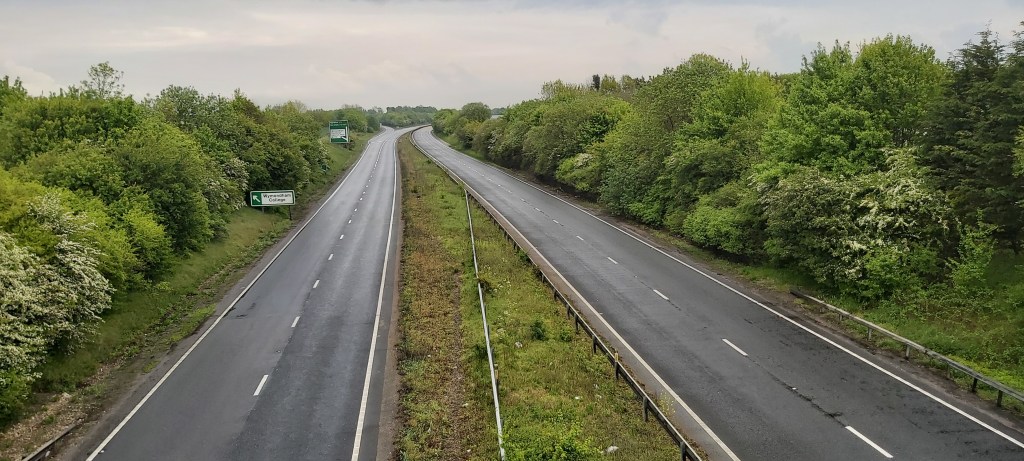
The benefits of living in Norfolk for me can be boiled down to two, low crime rate and low traffic. There are very few places I have been in Norfolk where I have felt unsafe and most people are generally quite polite. Several times I have forgotten to lock something and been happy to find it still there when I return. I appreciate that this is not true in all parts of Norfolk and I am a very small sample size. With the exception of the centre of Norwich I find the level of traffic very low compared to other parts of the UK. So much so I have to remember there might be other cars when I drive to other parts of the country. Although this lack of traffic is very useful as many of the roads, as previously mentioned, are quite small so getting too many cars on them causes issues. Both of these things do make living here quite quiet and peaceful, it is very easy to escape the noises of people and listen to nature.

Not a lot of traffic on the main road

Norwich Theatre has quite a wide range of live performances on which I have visited over the years, most memorable were Yamato Drummers of Japan, Michael Jackson tribute, We will Rock You and the Banff film festival has also started to be hosted there. They were all a high quality production in a relatively small venue which allowed me to view and appreciate it more.

I am sure there will be many more things I remember or miss about Norfolk once I leave but until it is not there you do not appreciate it.

My Quest to visit UK National Parks

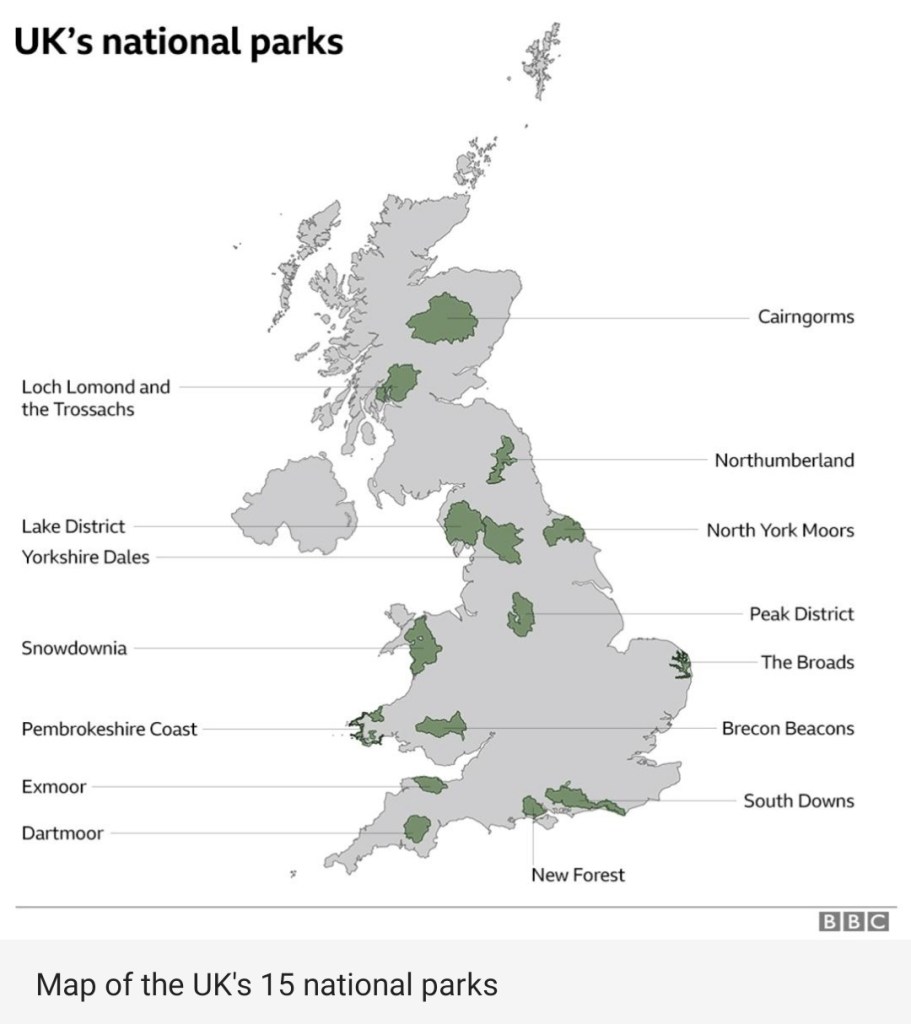
My target at the start of 2020 was quite simple – to try and visit as many if not all of the UK National Parks. There are only 15 and some are quite close together so I figured if I try and organise a trip per month somewhere it should tick them off nicely through the year.

So I made a list of all the national parks with the aim to tick them off and note down what I had done there, so I would remember.

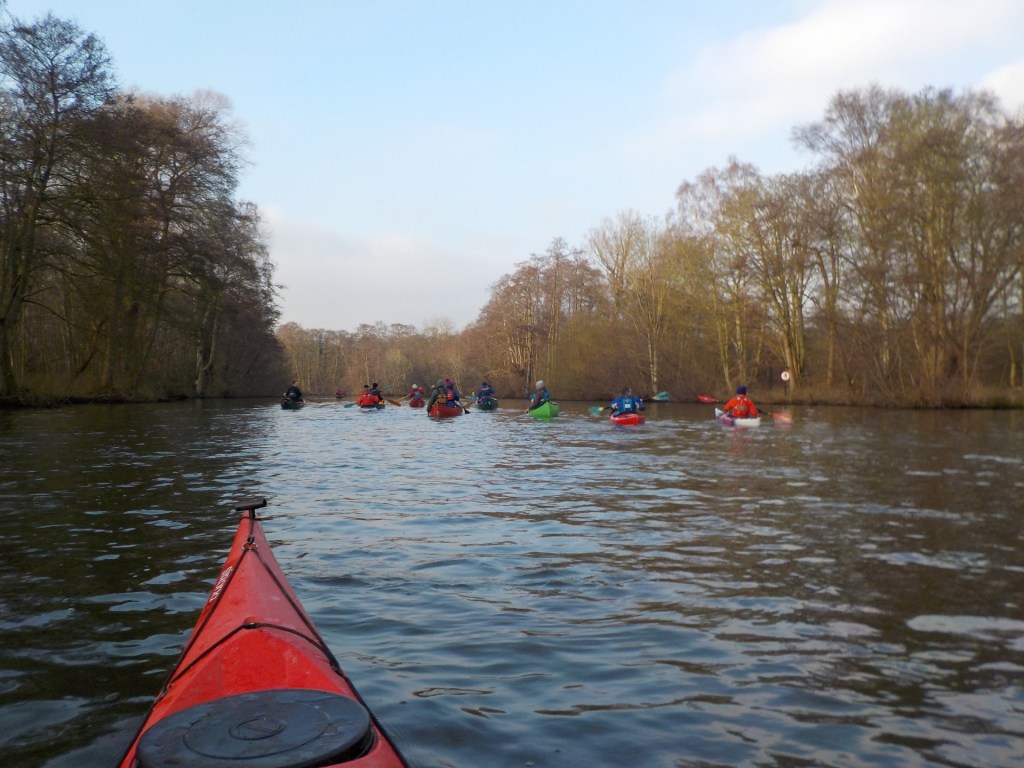
Things got off to a good start as the New Years Day paddle was planned in the The Broads, so day one of the year and already got one National Park done.

This was a nice but chilly paddle along some Broads, where everyone brought along spare Xmas food to share before paddling back

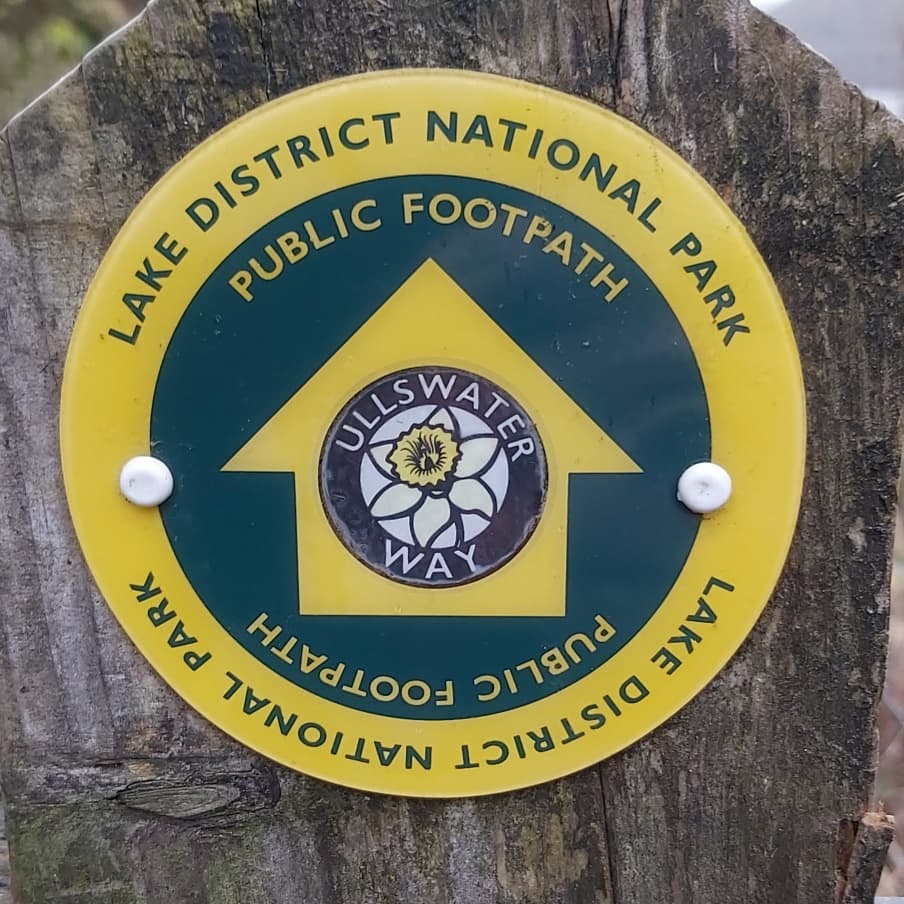
Next up Lake District 25/1/2020 Ullswater walk, a random trip up North gave me an excuse to pop across to the Lake District, although this was not the only time I visited the lakes in 2020 this was the first. A walk round Ullswater and a visit to an Alpaca farm/shop.
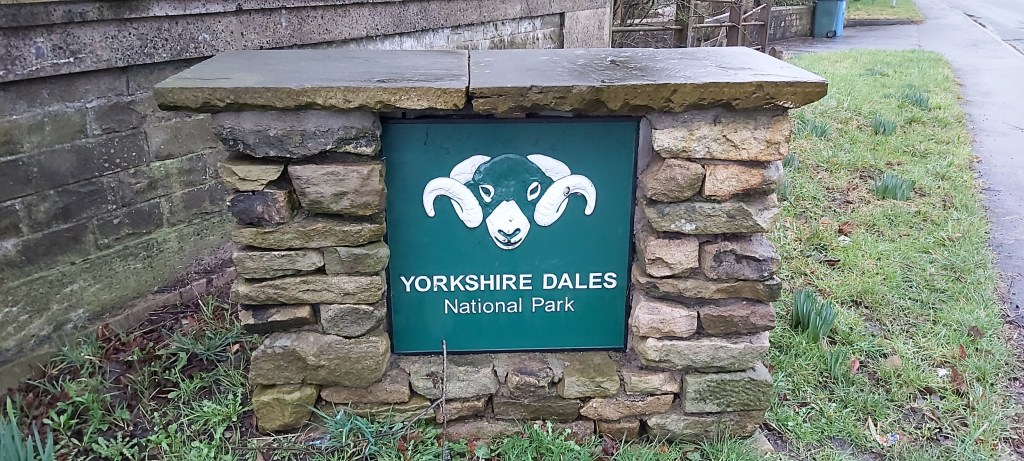
Moving into February and ticking off Yorkshire Dales – 15/02/2020 where I was based for the first of a few OC1 (open canoe one) courses I had planned this year. It took me to some new sections of rivers and places in the Yorkshire Dales I had not seen, thanks to Bobby and Adie for looking after me and giving me the confidence to take an OC1 out on the water.

Since I was on a role with the National Park hunt I thought I would tick off another in February. Dartmoor 22/02/2020 – helping out on an epic charity paddle in which several kayakers were aiming to paddle the Upper Dart for 24 hours – link to article

here.https://www.peakuk.com/index.php?route=blog/blog&blog_id=284

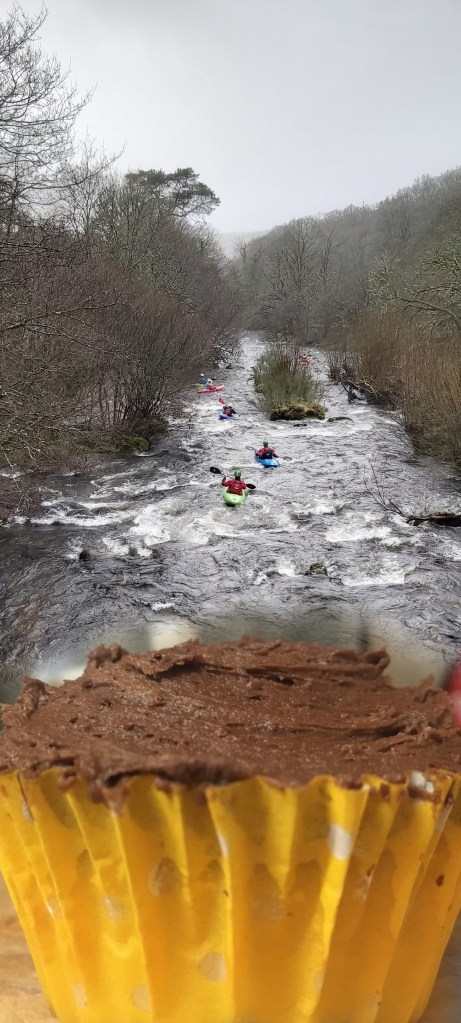
This did include a nice bit of kayaking for me and some friends. Although we were nowhere near as confident as the team charging down the river three of decided to have a break from support crew to give it a go and managed to pick out way down quite nicely. We did then have a flying lap of the upper in the afternoon with a few of the more experienced people even if they were sleep deprived and exhausted they still managed to persuade us down the whole thing without stopping. (oh year there was also cupcakes involved)

So only 2 months in and 4 parks ticked off – things were on track. I had plans to go up to Scotland later in the year to tick those off and I am sure I could figure out some other trips to get round the others.

Then as most people in the UK are aware March rolled round and a national lockdown occurred which on and off continued for most of the rest of the year.

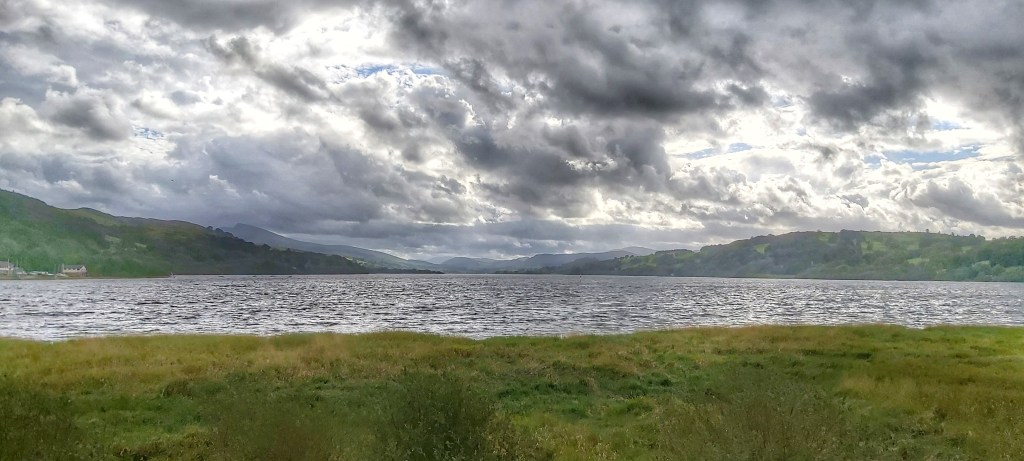
There was a brief window in the middle of summer when things calmed down and I managed to get to Snowdonia for a weekend

5 ticked off 10 to go.

So the task continues to try and visit all the National Parks – I will wait and see what the state of lockdown is in 2021 but will not be rushing to get anywhere soon. It just means I have more time to plan and whenever I get there hopefully appreciate it slightly more.

So 10 weeks!

For some this is a long time for others a short time.

If you are a baby 10 weeks is a huge amount of time, for someone less than 2 years old 10 weeks is more than 10% of their life. So it is a significant amount of time. Learning new words each week as well as becoming more self-aware. It is said that an 18 month old turns into a definite little person with a personality, increased communication and interaction with the world. For them 10 weeks means time to grow and explore in this world which is still new and exciting. 

For others, 20% of a year represents 0.38% of their life for a 50-year-old it or 0.64% for a 30-year-old.  I guess I am just trying to put into context that we should make the most of the time but in the context of a life time it is quite small. 


Long term motivation in isolation is a struggle, initially I was excited by the prospect of not travelling having more time to exercise and cook. But as the days roll on jumping out of bed for a run in the morning has moved from being hard to non-existent. Cooking 210 meals from scratch out of what-ever the farm drops off each week is becoming monotonous.    
So the last time I had a conversation with a person in real life, rather than a screen, was 70 days ago (at time of writing) as much as I am grateful for the technology which currently exists to allow communication with people all over the world and live video chats have progressed massively recently. It is still very restrictive and flat, usually they have to be a scheduled affair and topics of conversation are running low as the weeks of non-activity roll on.   

On the flip side it has forced me to get in touch and talk with many people I would not normally speak to. I have spoken to a wide variety of people (on a screen or messages) in the past 10 weeks who normally I would only talk to once or twice a year.  

It has now been 40 weeks, 280 days, since I was sent home from work in March. I was going to publish the above a long time ago but forgot, so this is part 2.  

So what has changed – not a lot and everything. Still working from home, still avoiding people and shops, masks have become mandatory now 

I now try and leave the house once a week but sometimes this is a struggle a combination of dark nights, nowhere to go, no motivation to go and having it hammered into you all year that an invisible danger lurks outside has not given me many reasons to leave. All the reasons to leave the house have now been removed, go to work nope wfh, go to shops – nope not open, go do exercise – nope  

Even the excitement of baking or cooking has gone and been replaced by what is easy or available. Not sure if this is due to the lack of shopping I am still doing prevents me getting ingredients, lack of overall motivation to do anything or the fact I do so little now I no longer require as much fuel. 

The previous isolation struggles have grown and the things which were exciting have now diminished. No one has done anything in so long that there is nothing to talk about in those rare times when someone does speak to me.

There is still so much uncertainty about the future that plans have not even been started to be abandoned. 

When the s*#t hits the fan.

When the sh*t hits the fan there are a number of places you could be

In front of the fan getting a full covering of the brown stuff.
Other people behind the fan tipping it on and making things worse for those in front
The person who initiated the fan and started this whether intentionally or not.
The one looking for the plug or the off switch to make it stop.
The one looking in the room and walking away glad it is not your office (or fan.)
Or the one wondering where it is all coming from and why has it built up so much to make such a mess and why the person behind the fan has chosen now to start feeding it into the fan.

I guess this metaphor can relate to a large number of circumstances or situations but there always tends to be the above players involved.
Some one always comes off worse, it may only be for short time and a quick shower and it is forgotten or it could be a life changing truck full of it dropped on you. It may be that you are not the intended target but happen to be in the wrong place at the wrong time and walk past the fan when it is turned on
There will also be someone or something providing the bad news. It may not be thier fault but they certainly have something they want to get off thier chest and have chosen now to share it around.
There will also be people who love a drama and will try and add to the situation whether seeing it as a good time to vent thier own frustrations or just to see what happens.
The one looking for the plug may look like they are helping by switching it off or fire fighting the situation but by turning the fan off just means the issue is still there but now it is in a heap on the floor rather than spread around or hitting its intended target. This may just divert the issue towards them for getting involved or not allowing the situation to resolve.
There will be many people who will back away from situations of confrontation or anger very quickly.
Then there is the one who tries to find out the root cause of the issue not just switch it off. They will be curious where it came from and can it be prevented from reoccuring. Could it affect more people than just those involved today. Many questions will be asked and anaylsed.

Who do you relate to in this situation?

Cooking and me

Not my usual topic but I have been enjoying the extra time in the kitchen recently.

I always used to think eating food fell into 2 categories – fuel and social. We all know we need food to sustain us and most of my meals were simply that, fuel to keep me going. Then there is using food as a social occasion, family meals, celebrations etc. Food is a good focal point to bring people together, discuss things and generally a good incentive to spend time with other people.

I usually remember events and occasions by what I ate first then all the other details drift in. For example I could tell you what I had to eat on my first day at school but very little memory of what I did for the first few years there.

I love cooking have done for quite a while, the combination of very logical steps to follow when making a recipe or the spontaneous throwing together of ingredients to see what happens. Mixed with the very tangible end result. It also engages all of the 5 sensors and can be as creative or as simply as you feel at the time.

I also enjoy cooking for others to see the happiness on their faces when they eat something good, it is a rewarding feeling and needs no communication. I bake which makes me happy, they eat and smile which makes them happy.


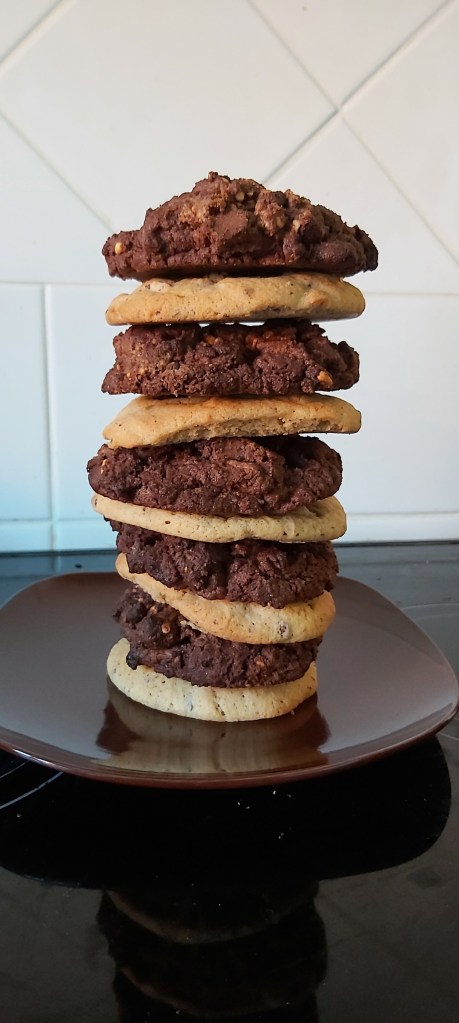
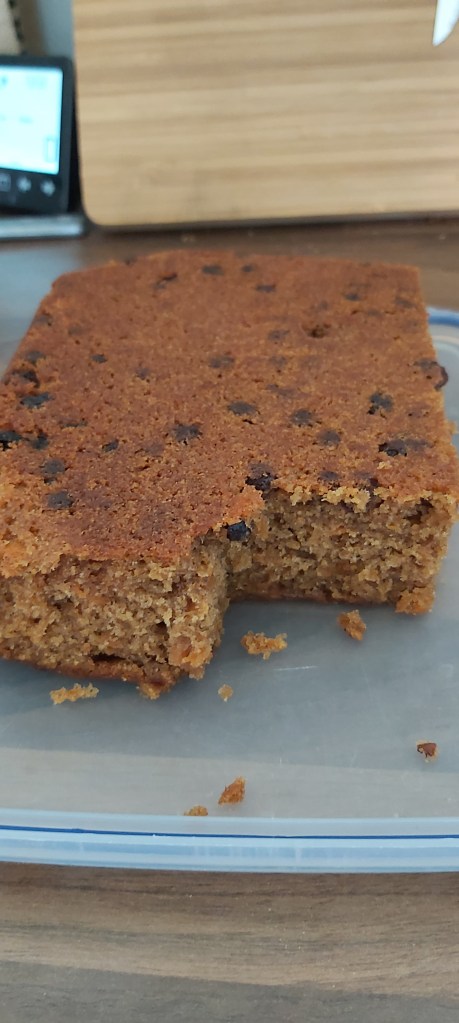
Recently my baking and cooking has been for other people, usually work colleagues appreciate sweet treats and I enjoy making them. Making things which are easily consumed by many like brownies and cookies with the occasional sausage roll thrown in to keep the savoury palettes happy.
These days I am just having to eat all my own creations.

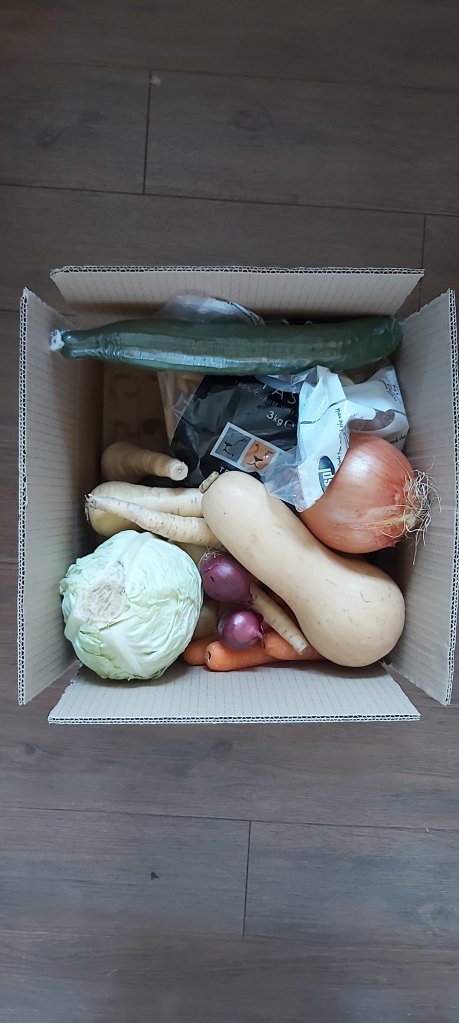
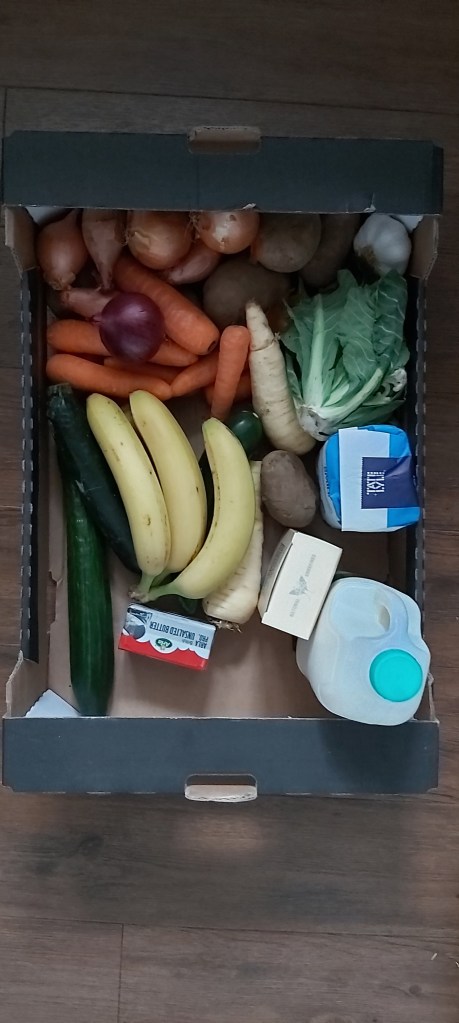
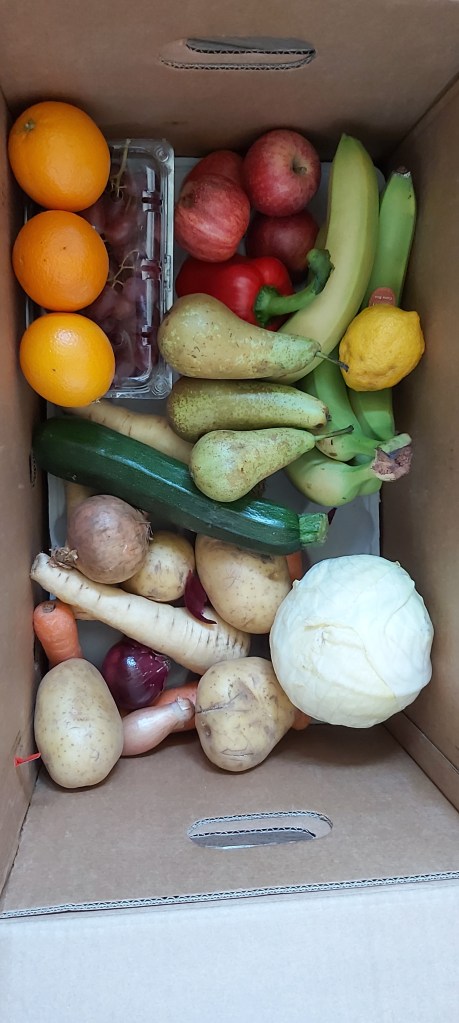
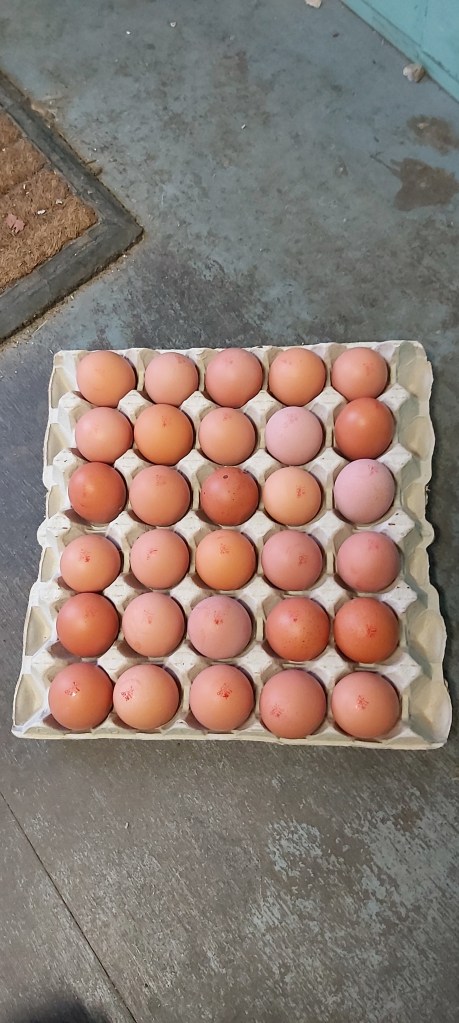
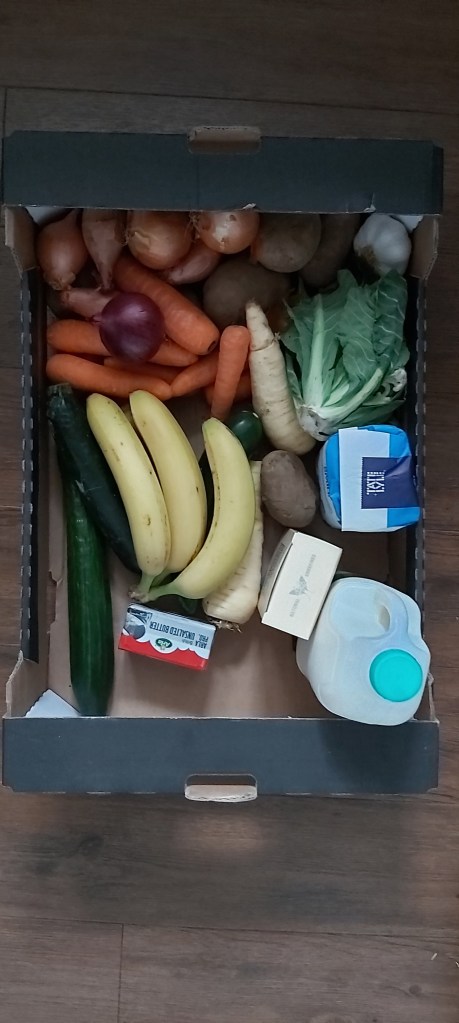
So 5 weeks in to lock down and I have still yet to go food shopping. I have been making do with local produce, delivered or collected. A very nice Farm box deliver once per week gives me what I need then I top it up with some eggs from an egg shed.

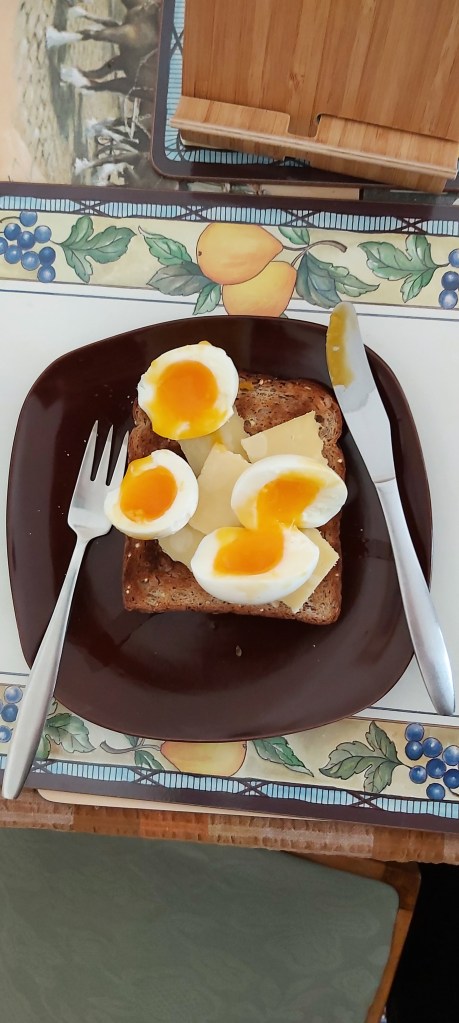
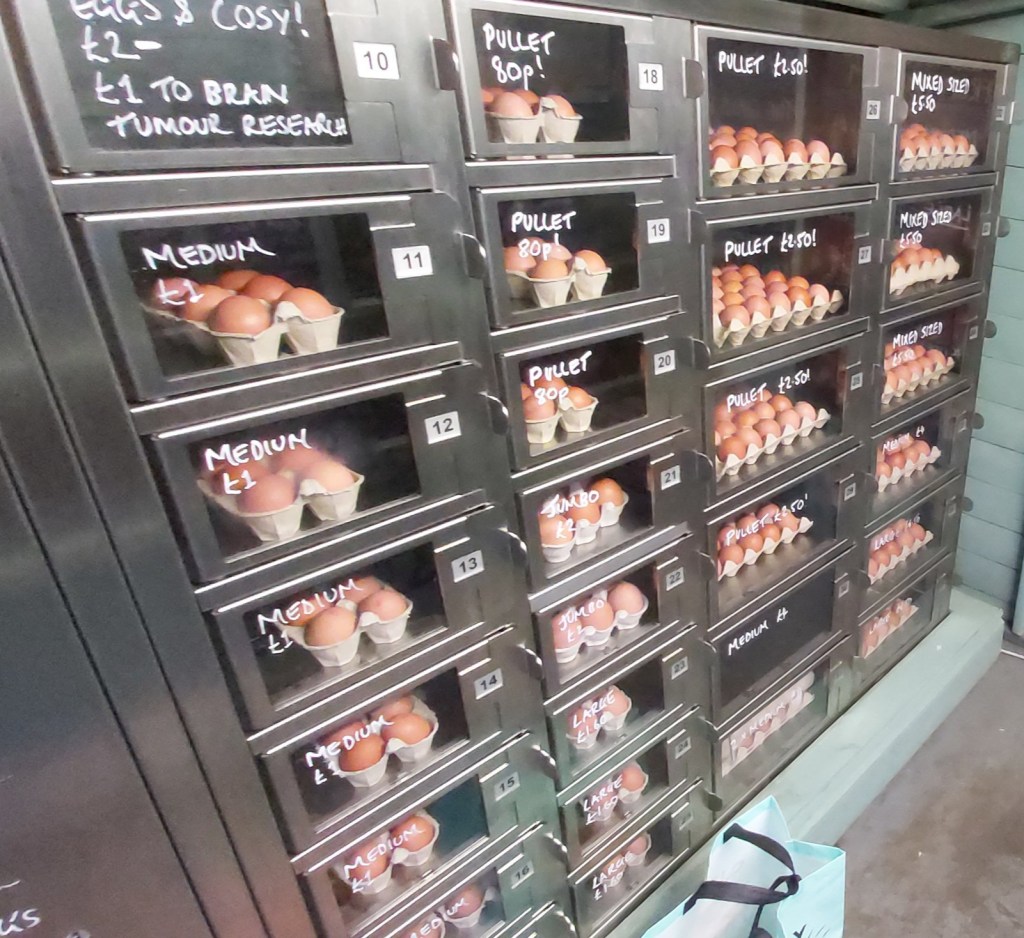
My new cooking project has been eggs. They are in good supply from local hens and I don’t need to see anyone to buy them as they come out of a vending machine on a farm.
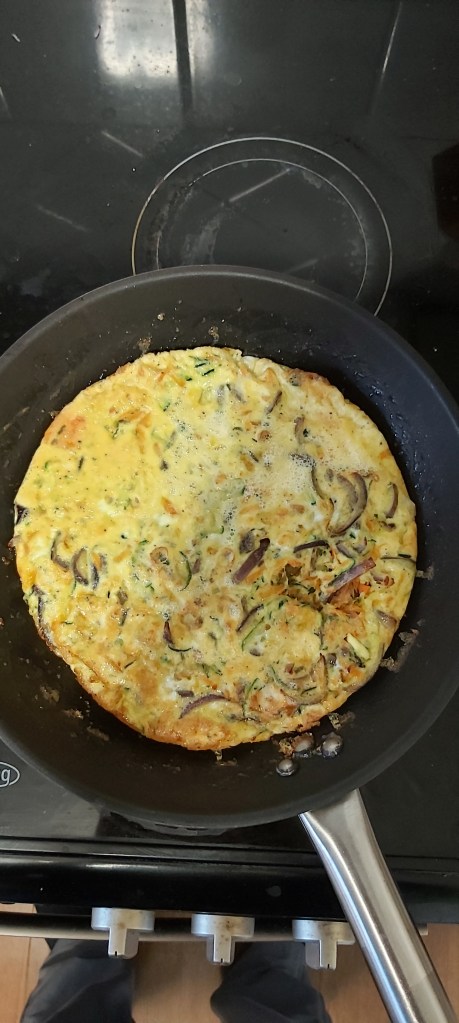
Eggs are a very versatile cooking ingredient so I have been experimenting. The standard hard boiled, soft boiled, poached, scrambled, fried, omelette, in cakes, in cookies.

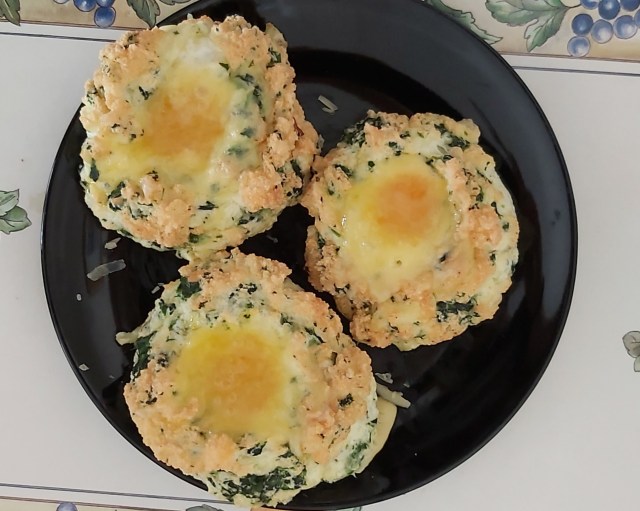
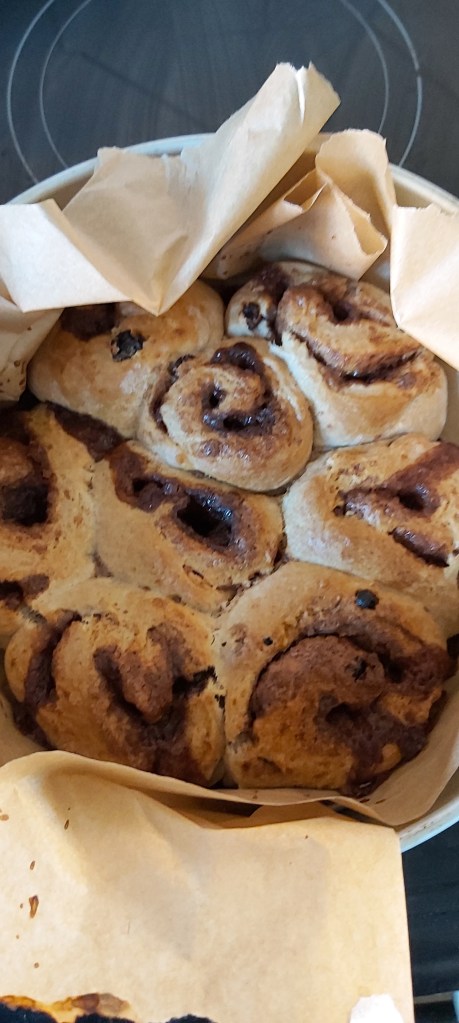
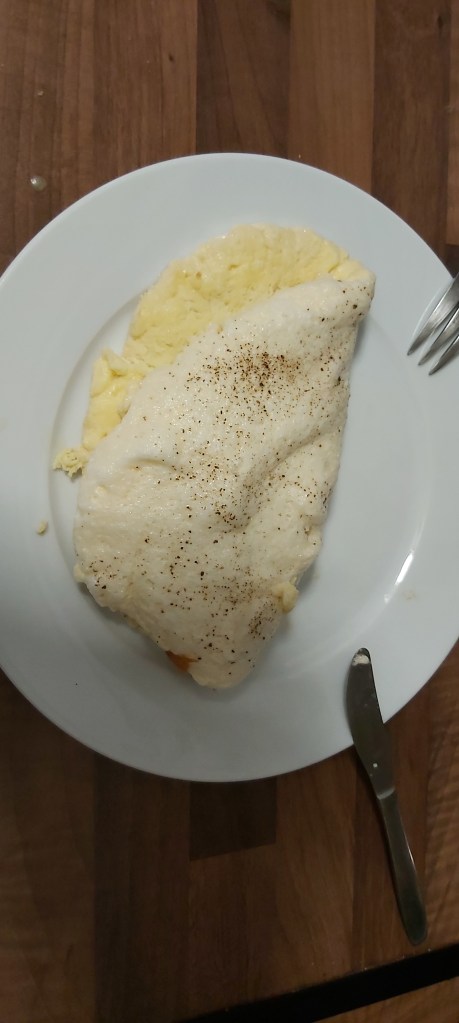
Then I tried more elaborate souflette omelette, cinnamon buns and cloud eggs gave me good practice at splitting eggs. Various frittatas using the farm veg as filling.

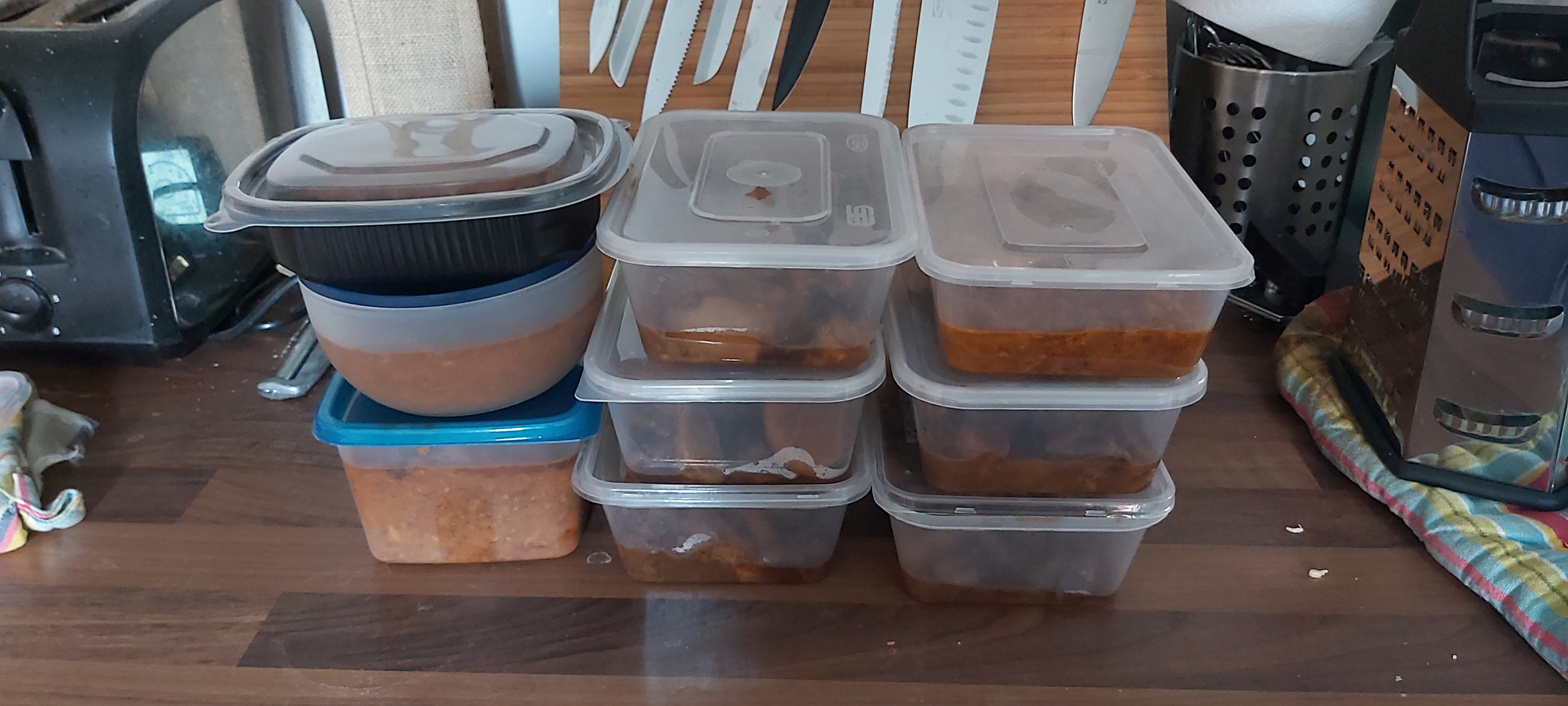
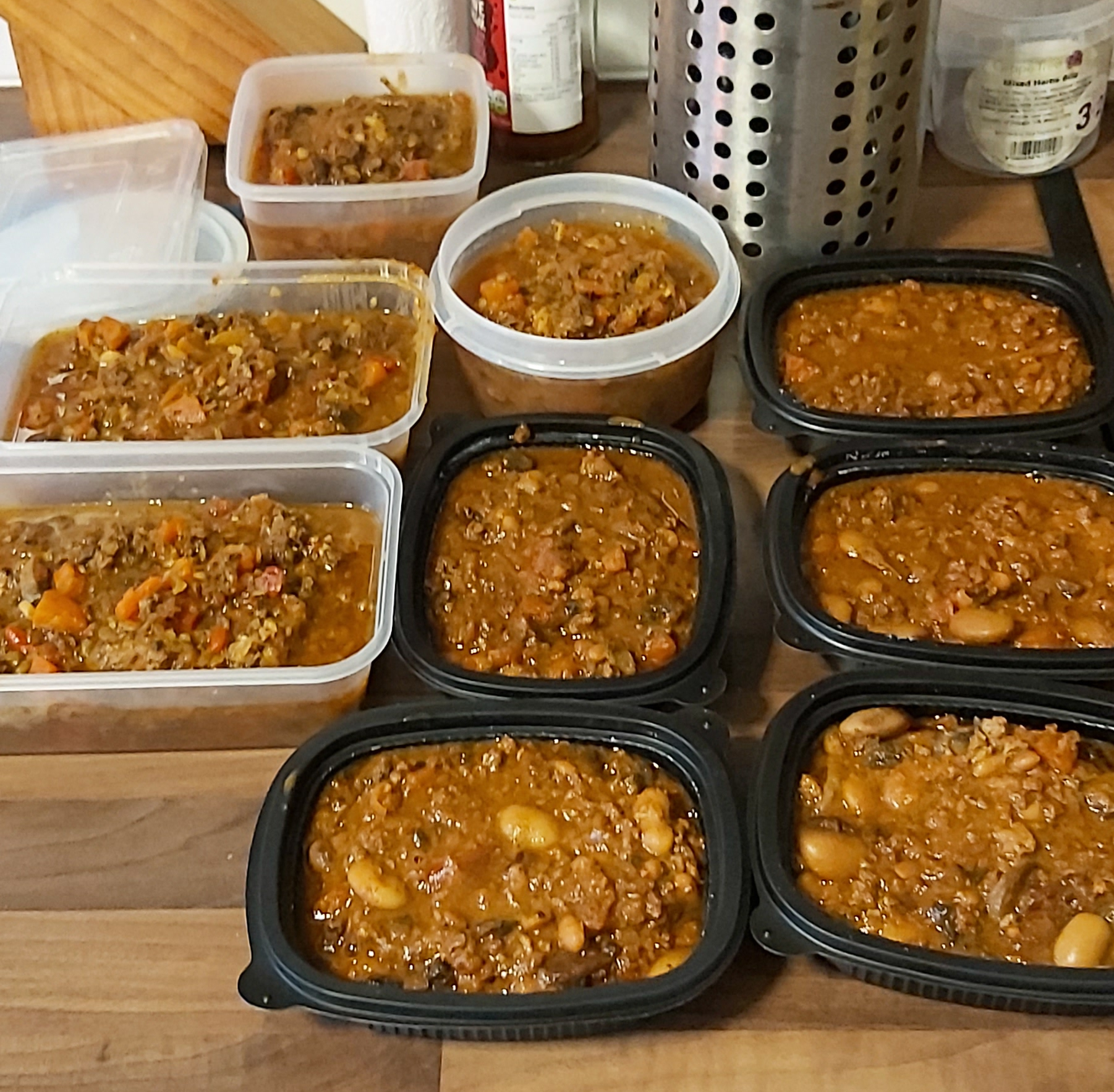
I also like to batch cook therefore reducing waste, planning ahead and making it easier to have good meals for days to come.

This does lead to two problems, one I never label food so always have freezer surprise and two I have a lot of the same meals until I brave going to the shops again.

A brighter reflection

Here is a lighter side to March

Has isolation brought us closer together?


Not sure about you but I have made a more conscious effort to check in on people via messages, emails or video conference. Even though I am the last person normally to initiate conversations. I have had contact with people I have not seen in over 10 years, not caught up with since they moved away or had a family.
This could be driven by the fact we now know we are not going to see someone in several weeks it forces us to make time to contact them rather than assuming we might run into each other at some point. (Although I never actually run into anyone spontaneously normally)

It has given people time, a very precious commodity, and reminded them of what they should truly value.


Other benefits to come out of being in one place – I have found lots of local farm shops and businesses which can still sustain a supply of food as it is coming from a few miles away and able to supply the local communities with food. Reducing food miles, waste packaging and hopefully food waste. As people are now taking more care about what they purchase.

I even found an egg vending machine which solves the issue of getting food and human contact all in one.

I am not for a minute ignoring what is going on in the world and the sacrifices people are making right now to help others.

I am simply trying to shine a tiny candle of light on what is a dark time.

A month of reflection

The plan for March was to try and socialise in new circles, think of topics to discuss with people and generally do some stuff which I can then later talk about with people.


As I am sure most of you are aware the advice across many countries is now to reduce social interaction to slow the spread of COVID19. Well isolation and working from home has cut my social interaction down from low to zero and meant most plans are now cancelled or postponed. Unlikely to see or speak to anyone face to face for several weeks, let’s see how it goes.


This will be the longest time I have been at home, or even in one place in the past two years, suddenly being stationary for so long after so much time away will take a bit of adjustment


To keep motivated at home I am replacing what would normally be my commute to work with a work out. This means twice a day I am committing to doing something active to get the body and brain cells moving. It will also help to plant some routine into my day and also define the start and end of the working day and transition into personal time. I know this is not conversation related but does help my mental well-being. Plus there is very little subject this month regarding progress with conversations.


Linking back to my last article about social anxiety I have also realised that this is not just relating to face to face speaking but also extends to messages, chats, texts etc. although there is still the same level of panic when someone contacts me by message I recover quicker as I can choose when to read it, when to respond to it and also prepare several drafts of what I want to say before committing to a response. This is good for my overly analytical brain to formulate a response, worry about how it might come across, delete it, rewrite it… you get the picture. This does however create the same outcome as if in person, in a very disjointed and anxious conversation which takes longer than it should. This in turn annoys people or means they no longer continue with the conversation as they feel it does not matter to me as I take so long to response. This is on the contrary – usually the longer I take to respond means one of two things either I genuinely was busy and did not read your message or two the response meant a lot and I did not know how to phrase it so had to take the time to think about it.


Equally when there is no response to a question I have posed, my immediate concern is I have annoyed the person, said something stupid or generally don’t matter. Hence another reason why I try not to communicate too much as I am not sure which I worry about more; no response or a bad response.


The problem I have with both face to face but more so with messages is context. I can never figure out if someone is being funny, light hearted or serious. I seemed to always get it wrong which leads to further embarrassment and reinforces the reason why I don’t enjoy talking to people. Equally I have not figured out how to convey my messages to people with the right context. Receiving messages you only get half the story, you do not know what frame of mind the other person is in, where they are, what is going on in their world. Are they super busy and respond to be courteous or do they want a chat? Is the topic you have just asked got nothing to do with what they are doing or thinking. The mind set we are in when we receive a message or email can dramatically change how we read the context of the message and equally how we are going to respond to it. An out of the blue question pops up on your phone or inbox and you are in the middle of something else, you have just dropped your last egg on the floor. It is probably not the best time to respond as it will be an emotional reaction rather than a considered reply. Hence another reason to delay the response.

What I think I am rambling on about is that a conversation is more than just the expression of thoughts of two people but is also the context, mind set and intention of those two people in that moment.


I have also come to the realisation that I do not hate conversations or social interactions it is more fear of them. Fear of the unknown and unpredictable, fear of embarrassment or saying the wrong thing. This I see as a good thing, as fear can be rationalised and overcome ( I hope)

How do you move forward when everything stops…

When the world around you collapses, do you work to rebuild it how it was? Do you spend your time sorting through the rubble to determine what is actually useful and worthwhile? Do you simple stand and stare at the ruins wondering who is going to fix it? Do you look around and see who else is standing next to you, in the same situation or willing to help?


These may be metaphors for some, they may be actual events which people have gone through.


No matter which each must be tackled 1 brick at a time, whether on your own or with others the key is to start doing something. Start designing the future you want to see, start looking at opportunities and materials which are around you, start moving items into some assemblance of order.

Do not forget the past – remember how you came to be in this situation and what signs to look out for before it occurs again. Look back at what worked and did not, make use of your skill previously learnt.  

For most it will be hard to focus on rebuilding or looking at how they want the future to look. They will only see the rubble in front of them. A grieving process of what has been lost must take place. This can take a while especially when there is nothing to look forward to or no way of visualising a better future. Unfortunately the longer you spend in this state the hard it is to pick yourself up and start again.

Change as they say is inevitable however unplanned or unexpected change is hardly ever welcomed with open arms. If you have no warning or no control of the changes which are occurring, grieve can easily turn to anger, rejection or isolation.

Once you start building your future, giving yourself purpose and direction towards an improved future the feeling of uncertainty begins to diminish. Keeping busy and building piece by piece a way forward has its rewards and sense of self satisfaction. The more progress which is made the days seem brighter and the vision becomes reality, you are able to reap the benefits of your hard work.

Design a site like this with WordPress.com
Get started